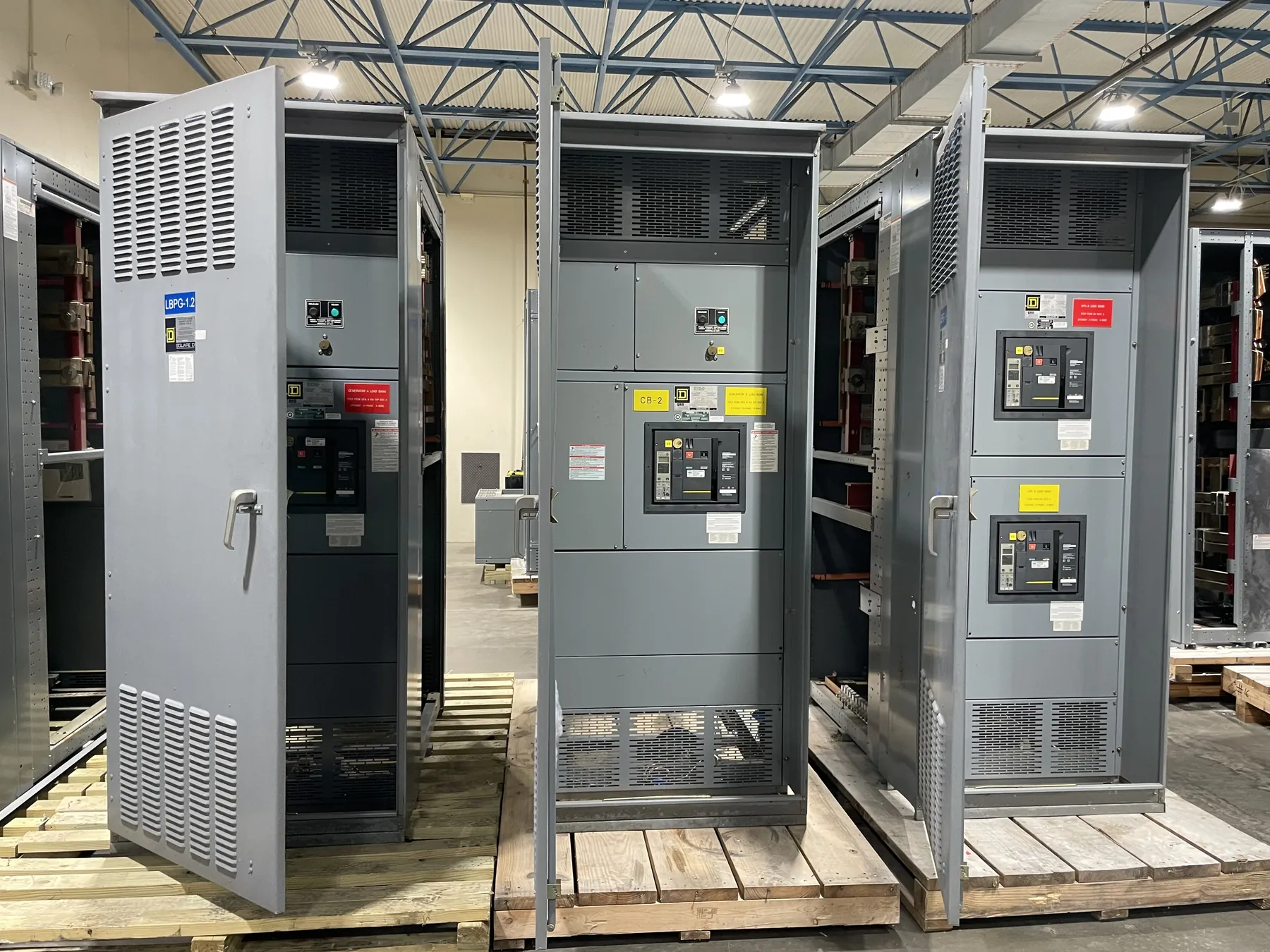
What a 600 A rating means for switchgear and switchboards
A 600 A designation describes a stated current rating for a particular part of an assembly, such as its bus or main device. It does not, by itself, establish that an entire switchboard or switchgear lineup is suitable for a facility, nor does it identify the system voltage, available fault current, or every component’s rating. When reviewing a proposed 600 A design, first establish exactly what the rating applies to and confirm the equipment configuration against the project documents.
A bus rated 600 A and a main protective device rated 600 A are related but distinct design details. A lineup may have different ratings at its incoming connection, bus, and outgoing devices. The project engineer should verify that the selected assembly and its components meet the intended application. A 600 A designation is not a substitute for a load calculation or a review of the complete electrical system.
Compare the 600 A bus rating with calculated demand
Equipment selection should follow the facility’s calculated load, not a rule of thumb based on building size or a desired nameplate value. The calculation should account for the loads served, their operating patterns, applicable demand factors, and requirements established by the project’s qualified electrical professionals. The result helps determine whether a 600 A bus or main rating is appropriate for the intended service.
Consider how loads behave together. A facility with several large motors, heating loads, process equipment, or charging systems may have a different demand profile from one with mostly intermittent loads. The timing of operation can matter, as can planned equipment changes. Provide the design team with a clear load schedule and identify any loads that may be added or removed before the equipment configuration is finalized.
The system voltage is a separate specification from the ampere rating. Include the required voltage and system arrangement in the equipment inquiry, and have the design team confirm compatibility with the service and connected loads. Do not infer voltage, phase, or service configuration from “600 A.”
Account for continuous duty and operating conditions
Whether a load operates continuously can affect conductor, bus, and protective-device selection under applicable design rules. The engineering review should identify loads expected to run for extended periods and assess how the selected equipment is rated for that duty. A 600 A label alone does not show how much calculated load the assembly can serve in a particular installation.
Ambient conditions also belong in the review. Temperature, ventilation, installation location, enclosure arrangement, and nearby heat-producing equipment can influence the suitability of a proposed configuration. For indoor or outdoor installations, provide the anticipated environment and mounting conditions so the enclosure and assembly can be specified appropriately. Site conditions should be evaluated by qualified professionals rather than assumed from a general ampacity description.
Plan future expansion without treating spare capacity as guaranteed
Future growth can affect the choice of bus and main ratings, but a larger rating is not automatically the best solution. Discuss expected additions with the electrical engineer, including their approximate load characteristics, timing, and likely connection points. This helps determine whether a 600 A design offers adequate planned capacity or whether another configuration should be considered.
Physical space and electrical capacity are separate constraints. Spare breaker positions, room for future sections, cable routing, working clearances, and the facility’s available electrical service may each limit expansion. A lineup with room for additional devices does not necessarily have the bus capacity, fault rating, or upstream system support for added load. Identify expansion priorities in the specification and have them reviewed as part of the complete design.
Confirm protective-device, fault and enclosure ratings separately — 600 A Switchgear and Switchboards
The main and branch protective devices must be selected and coordinated for the system and loads they serve. Their ratings and characteristics are not established merely by specifying a 600 A bus. Coordination with upstream and downstream devices, available fault current, and the required interruption or withstand performance should be reviewed by qualified engineers using project-specific system information.
Short-circuit ratings require particular attention. Confirm the assembly’s applicable short-circuit rating and the conditions under which it applies; do not assume it from the ampere rating or from the presence of a particular protective device. Enclosure type and environmental suitability are also separate specification items. Applicable listings, including UL 891 where relevant to low-voltage switchboards, must be confirmed for the exact product and configuration. That standard should not be generalized to every type of switchgear or other equipment.
Information to provide for a 600 A equipment quotation
A useful inquiry identifies the application and the design basis without presuming a product rating is available. Share the required system voltage and arrangement, one-line diagram, load schedule, calculated demand, incoming and outgoing device requirements, available fault-current information, enclosure and installation conditions, and any expansion plans. Note project-specific listing or documentation requirements and the schedule constraints that affect procurement and installation planning.
Our U.S.-manufactured assemblies use all-American components and are built to support short lead times, with shipping available nationwide, including to Nevada. Final configuration, ratings, listings, and schedule depend on engineering review and confirmation of project details. The electrical design professional and equipment manufacturer should resolve open questions before release for manufacture so the specified assembly matches the facility’s system and operating needs.