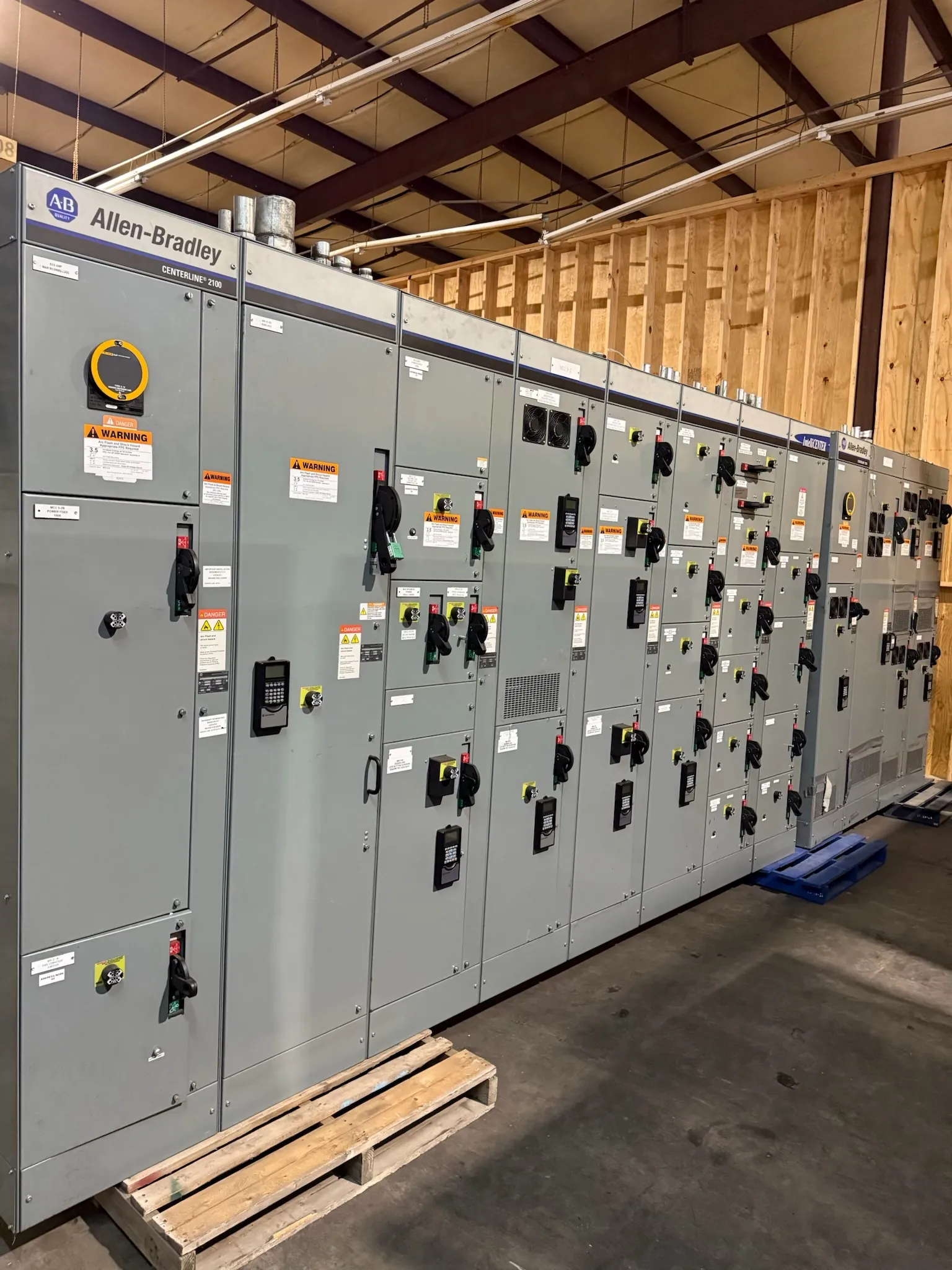
Planning Switchgear for a Winnemucca, Nevada Project
Winnemucca projects can involve industrial, commercial, municipal or utility-related facilities, each with different distribution requirements and delivery constraints. The right switchgear begins with the project’s electrical design—not a generic equipment description. Identify the intended application, service conditions and equipment interfaces early, then have the project’s qualified electrical engineer confirm the design against the site and applicable requirements.
U.S.-built custom switchgear is manufactured for the specified project and shipped to its destination; it is not a substitute for site engineering. Nevada customers should coordinate the equipment specification with the electrical contractor, engineer of record, utility and facility team as applicable. We manufacture new distribution equipment using all-American components, with short lead times as a manufacturing objective. Actual schedule and configuration depend on the project requirements and must be confirmed during quotation and engineering.
Define the Electrical Scope Before Requesting a Quote
A useful quotation package describes what the assembly must do and how it connects to the rest of the system. Include the one-line diagram and identify the service arrangement, incoming source, downstream feeders, loads and any tie or alternate-source provisions. Clarify whether the request is for a low-voltage switchboard, another switchgear assembly or a broader distribution package. Product type matters: UL 891 applies to applicable low-voltage switchboards, not automatically to every switchgear product or voltage class.
Provide the project voltage and the required equipment ratings as separate design information. Voltage describes the electrical system; ratings describe equipment capabilities and are not interchangeable with nominal system voltage. The engineer must establish the applicable ratings and fault-duty requirements from the system study and installation conditions. Do not assume a rating, listing or configuration from a general product description; confirm each against the final drawings and submittals.
Specify Interfaces, Protection and Physical Arrangement
Describe incoming and outgoing connections, feeder count, conductor entry direction and the space available for cable bending and termination. Note whether conductors enter from above or below, the expected routing path, and any connection requirements for transformers, generators, transfer equipment or adjacent sections. Identify metering, protective devices and control interfaces shown in the project documents. These details affect section arrangement, internal clearances, access and coordination with other equipment.
Also provide available room dimensions, equipment access routes and environmental conditions that could influence enclosure selection or layout. Winnemucca’s regional setting makes it prudent to verify the actual facility conditions rather than assume a standard indoor installation: consider the equipment room, exposure, ventilation, dust management and how the assembly will be maintained. The design team should resolve applicable environmental, seismic and code requirements for the specific site; the manufacturer should not infer them from the city alone.
Coordinate Section Shipping With the Receiving Site
Switchgear may ship as one assembly or in multiple sections, depending on its design and transport constraints. Confirm the proposed shipping breakdown before the equipment is released for manufacture. A section split can affect field joining, bus connections, lifting plans, access through doors and corridors, and the order in which sections reach the equipment room. The shipping arrangement and any field assembly responsibilities should be clear in the project submittals.
Before scheduling delivery to Winnemucca, verify the site’s receiving hours, truck access, turning and staging space, unloading equipment and route from the delivery point to the final room. Establish who will provide qualified personnel and suitable lifting equipment, and confirm allowable handling points and section dimensions from approved shipping information. Do not rely on assumed doorway clearance or a general freight description; compare actual dimensions and weights with the route and unloading plan.
Align Delivery With Installation and Site Readiness
Connect the manufacturing and shipping schedule to construction milestones. The room should be ready for the equipment, with access, housekeeping, supporting surfaces and required upstream or downstream work coordinated before delivery. Agree on a receiving contact, inspection and documentation process, temporary protection and secure storage plan if installation cannot begin promptly. These preparations help avoid a delivery that arrives before the site can accept or protect the assembly.
Installation timing also depends on the contractor’s work plan and the engineer’s approved design. Confirm when the sections will be joined, when external conductors and controls will be connected, and what inspections or commissioning activities are planned. Any changes to feeder layout, equipment location or interfaces after engineering can affect both the configuration and sequence, so communicate revisions through the project’s formal review process.
Prepare a Complete Winnemucca Project Inquiry
For a responsive quotation, send the current one-line diagram, equipment schedule, relevant specifications, site and room constraints, requested interfaces, delivery destination, and target milestones. Identify unresolved items rather than filling gaps with assumed values. The project team can then review the proposed equipment scope, section arrangement, shipping considerations and schedule together. We ship new manufactured equipment nationwide, including to Nevada; final ratings, applicable listings, design details and timing require project-specific confirmation.