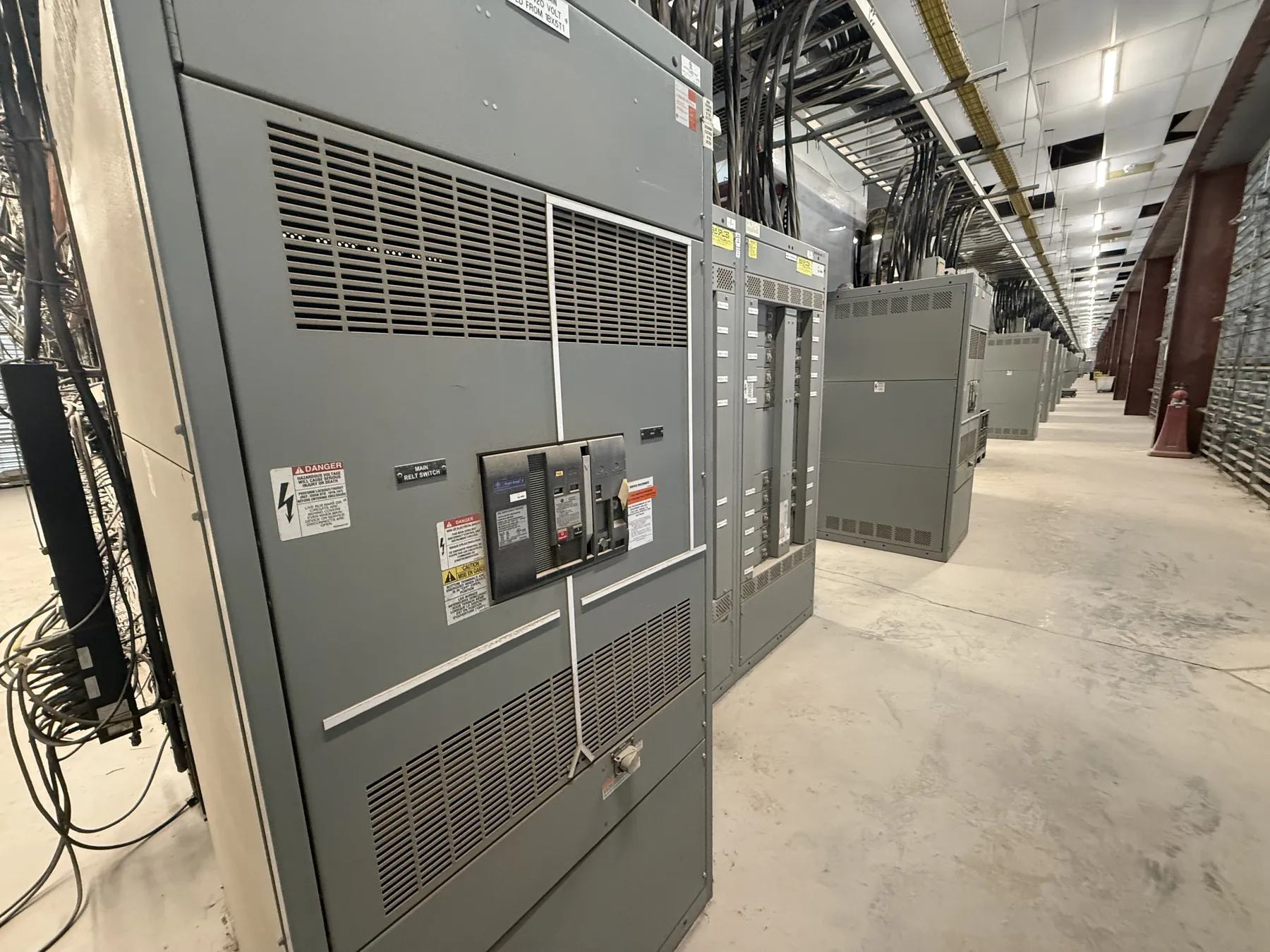
New Distribution Equipment for Nevada Projects
Electrical distribution projects across Nevada need equipment specified for their actual source, loads and installation environment. We are a U.S. manufacturer serving Nevada with new switchgear and related distribution equipment. The project location informs delivery planning, but a suitable lineup starts with a one-line diagram, applicable ratings and a clear understanding of the work required at the site.
Our service areas describe places where project teams can request equipment and arrange delivery; they do not imply a local office, local stock or an existing installation. A qualified electrical engineer should establish and review the electrical design, and the manufacturer, utility and installer should coordinate their respective interfaces before fabrication and energization.
Southern Nevada Delivery Areas
Projects in Las Vegas, North Las Vegas, Henderson, Boulder City and Mesquite can require different combinations of service equipment, feeders, metering and controls. A commercial building, industrial site or other facility should be specified on its own load and source requirements. The same city name does not establish the available fault current, utility service arrangement or dimensions of an electrical room.
For outdoor or heat-exposed locations, provide the actual design ambient temperature, sun exposure and ventilation requirements. The equipment designer can review those conditions against the proposed enclosure and documented ratings. For service-entrance equipment, coordinate the metering and connection details with the serving utility and the project engineer rather than assuming a standard arrangement will apply.
Reno, Carson City and Nearby Areas
Reno, Sparks, Carson City, Fernley, Gardnerville and Dayton are also Nevada project service areas. Equipment can be planned for an indoor electrical room or an outdoor installation according to the particular site. The request should identify source voltage, phase configuration, incoming and outgoing circuit quantities, expected loading and whether a future expansion is part of the design.
Document the site's actual elevation and ambient conditions where they may affect the equipment. Ask the manufacturer to identify any applicable rating adjustments and enclosure requirements for that environment. Floor space, access for maintenance and cable routing deserve the same attention as the electrical data, especially where an existing building constrains the new lineup.
Additional Nevada Project Locations
Additional delivery and project service areas include Elko, Winnemucca, Lovelock, Fallon, Ely, Yerington, Pahrump, Tonopah and Hawthorne. Whether the destination is a developed facility or a remote site, the receiving plan should identify access restrictions, unloading resources and a protected place for equipment awaiting installation. The final shipping configuration should be checked against the route into the installation area.
Provide the actual exposure to dust, moisture, temperature and elevation rather than relying on a regional assumption. Where the project includes motors, process loads or standby power, describe their operating modes and protection needs. The equipment arrangement and delivery plan can then be evaluated against the requirements of that particular location.
Information That Supports a Project Quote
For any Nevada destination, supply the latest one-line, required equipment type, main and feeder currents, available fault current and the desired protective-device functions. Include the proposed enclosure, cable entry, physical constraints, required documentation and the requested delivery schedule. Identify utility review, drawings and project acceptance tests that must be included, together with responsibilities that will remain with the owner or contractor.
Where a project requires domestic manufacturing or all-American components, specify the exact origin requirement and the evidence needed. U.S. manufacture does not by itself establish the origin of every component. The quotation should identify what is included, any design assumptions and the items that must be confirmed before an order is released.
Coordinate Shipment and Site Handoff
Delivery details influence how a lineup is divided and handled. Confirm shipping-section dimensions and weights, truck access, the receiving contact, unloading equipment and any site restrictions with the parties responsible. The installer should check the path from unloading to final position, along with the foundation, anchorage and required working clearances, before the equipment reaches the site.
After manufacture, review the provided drawings and inspection records against the agreed scope. Qualified personnel must complete field installation, testing and energization in accordance with the approved design and applicable requirements. Coordinating these steps early supports a clear handoff for projects throughout the state without presuming that every site has the same electrical or logistical needs.