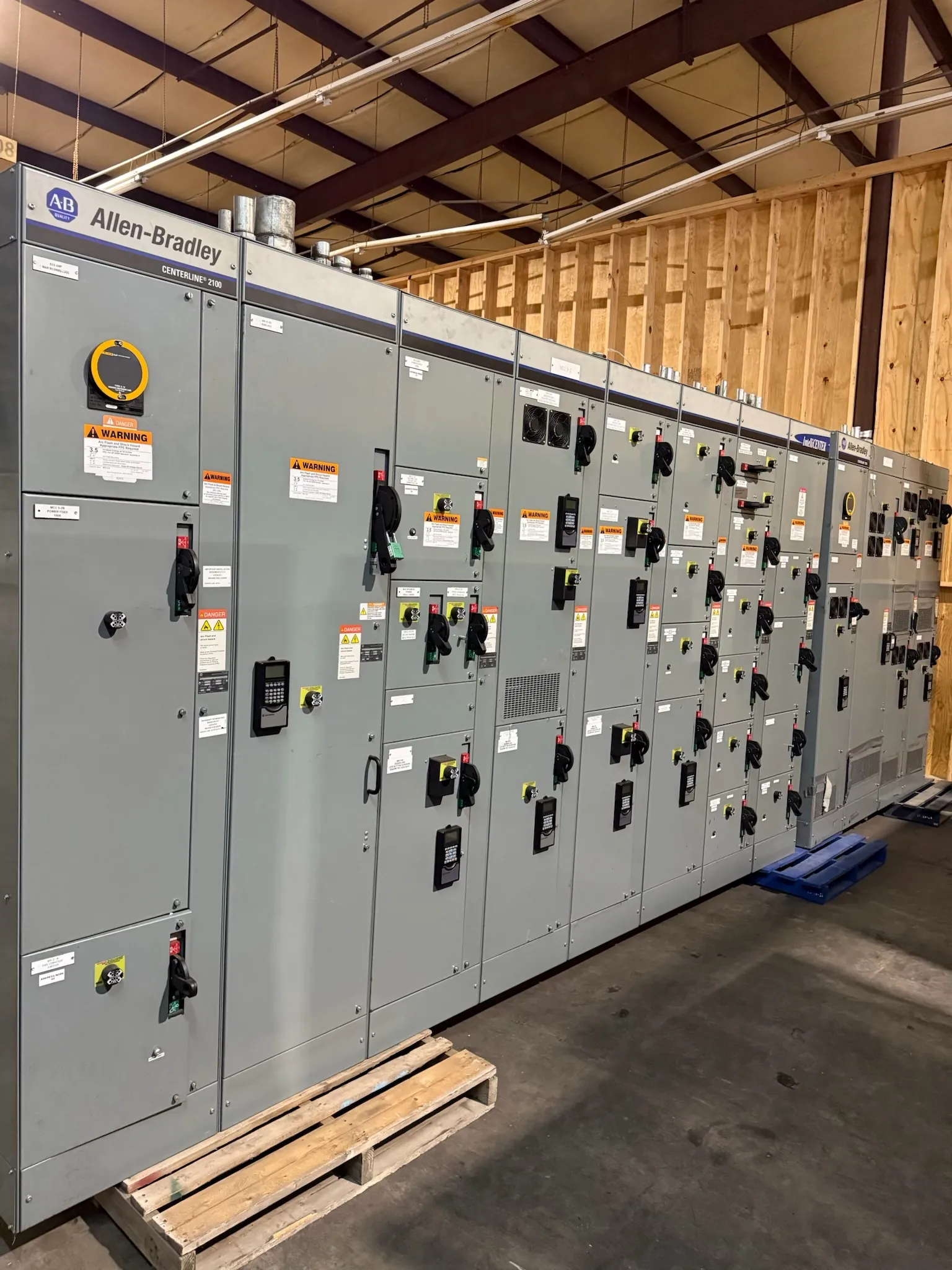
Planning Switchgear for a Las Vegas, Nevada Project
Specifying distribution equipment for a Las Vegas facility starts with the electrical service, the building’s operating needs, and the requirements of the serving utility—not with a catalog rating. A project may call for a custom low-voltage switchboard or another switchgear configuration, depending on the service, distribution layout, and applicable design documents. The equipment manufacturer can build to an approved project specification, but the project’s electrical engineer and utility determine the governing requirements. New equipment is manufactured in the United States and can be shipped to Nevada; that does not imply a local factory, office, or installation crew.
Confirm Service Characteristics and Metering First
Before sizing the main section, confirm the service characteristics with the electrical engineer and serving utility. The design team should establish system voltage, phase and wire arrangement, frequency, available fault current, grounding approach, and the service entrance configuration. A voltage rating describes equipment’s suitability for a specified system; it is not a substitute for confirming the actual service voltage or every rating needed for the application.
Utility metering requirements can affect the main section’s arrangement, dimensions, barriers, compartments, and access provisions. Ask the utility and design team to confirm whether metering is utility-furnished or equipment-integrated, where it must be located, and what approved drawings or construction details apply. Do not assume that a typical meter section will meet local utility requirements. Resolve these interfaces before requesting final pricing or releasing approved drawings for manufacture.
Choose a Distribution Arrangement That Fits the Facility
Equipment layout depends on how power will be distributed and maintained over the building’s expected operating life. The engineer’s one-line diagram and load information help define the main device, feeder quantities, protective-device types, and spare or future provisions. Consider where feeders leave the assembly, how cable or conduit approaches the equipment, and whether the electrical room provides adequate working and installation space under the project design.
In Las Vegas, the building’s actual conditions matter more than broad assumptions about the region. Share the intended indoor or outdoor location, ambient conditions specified for the equipment, ventilation or enclosure constraints, exposure to dust or moisture, and any project-specific environmental requirements. Access routes, door openings, floor level, and the final equipment position can also shape section sizes and shipping configuration. These details should be reviewed by qualified project personnel; they should not be inferred from the city name alone.
Coordinate Ratings, Protection, and Applicable Standards
Ask the engineer to define the required equipment ratings and protective-device characteristics for the installation. These can include voltage and current ratings, short-circuit withstand or interrupting requirements as applicable to the selected equipment, and coordination with upstream and downstream devices. The available fault current and protective-device selection must be evaluated for the actual system. A rating, listing, or standard reference should be confirmed for the specific assembly and configuration rather than assumed from a product category.
UL 891 applies to applicable low-voltage switchboards; it does not establish that every switchgear product, voltage class, busway assembly, or project is covered. If a specification calls for a listing or particular standard, identify the exact equipment scope and confirm applicability during engineering review. Final selection and compliance depend on the product design, approved submittals, project requirements, and qualified engineering judgment.
Prepare a Complete Quotation Package — Switchgear for Las Vegas, NV
A useful request for quotation gives the manufacturer enough information to assess scope without guessing. Provide the one-line diagram, equipment schedules, applicable specifications, service and metering requirements, fault-current information, feeder and protective-device details, enclosure conditions, and available room or access dimensions. Include required drawing deliverables, requested options, and the project’s target shipment window. Identify unresolved items clearly so the design team, utility, and manufacturer can assign responsibility for confirming them.
Complete inputs help reduce avoidable revisions, but they do not guarantee a particular price, production slot, or lead time. Those depend on the final configuration, component requirements, drawing review, and manufacturing schedule. Any proposed substitutions or deviations should be documented and accepted by the responsible project parties before production proceeds.
Plan Shipment and Site Coordination in Las Vegas
U.S.-built custom equipment can be shipped nationwide to a Las Vegas project. For planning, coordinate the receiving address, delivery access, unloading responsibility, storage conditions, and the route from the receiving point to the electrical room. Confirm whether the site can accept the shipment as configured or whether delivery phasing and section handling need review. These logistics are project-specific and should be settled with the site team and carrier before shipment is arranged.
Manufacturing coordination typically follows the approved design: engineering details are reviewed, drawings are submitted for project approval, and production proceeds after required decisions are resolved. Keep the electrical engineer, utility, contractor, and equipment manufacturer aligned on changes to service, metering, feeder schedules, or room conditions. This disciplined review supports a switchgear package suited to the Las Vegas project without relying on unverified local assumptions.