Planning Switchgear for a Reno, Nevada Project
Reno projects can involve a range of building types and electrical service arrangements, so equipment selection should start with the one-line diagram and the conditions at the actual installation—not a citywide assumption. Identify the intended function of each assembly, its connection to the service or upstream equipment, and the loads it will serve. A custom distribution package can be configured around a project’s documented requirements, but final selections depend on engineering review and coordination with the facility and electrical design team.
Reno’s elevation and seasonal temperature variation make site conditions important specification inputs. Provide the equipment location’s actual installation altitude and the ambient-temperature design criteria, including whether the gear will be indoors, outdoors, or in a space with unusual ventilation or heat sources. The equipment ratings and any applicable adjustments must be checked against those conditions. Do not assume that a general regional climate description establishes the requirements for a particular electrical room or enclosure.
Define the Electrical Service and Assembly Type
Clarify the system voltage, phase and wire arrangement, frequency, available fault current, grounding method, and the service or feeder configuration. These system characteristics are not interchangeable with an equipment rating: a voltage rating, for example, does not by itself confirm suitability for a particular service. The engineer of record should establish the design basis and confirm that the proposed equipment is appropriate for the system and installation.
Specify the assembly by function. A low-voltage switchboard may suit certain service or distribution applications, while other projects may require switchgear or a different form of distribution equipment. The choice affects construction, protective-device coordination, footprint, access and interfaces. UL 891 applies to applicable low-voltage switchboards; it should not be treated as a blanket standard for every switchgear assembly or for medium- or high-voltage equipment. Confirm the required product type, ratings and listing status for the specific scope.
Coordinate Protection, Metering and Connections
Document the required main and feeder devices, trip or protection functions, metering, instrument transformers, control power, and any alarms or communications interfaces. Provide the latest one-line diagram and relevant protection information so the manufacturer and project engineers can identify dependencies and discrepancies. Breaker selection and settings, short-circuit ratings, selective coordination, and arc-flash considerations require qualified engineering analysis; they cannot be inferred from a general equipment description.
Connection details deserve equal attention. Confirm cable or bus connections, conductor entry and exit directions, lug requirements, neutral and ground provisions, and the intended interface with transformers, generators, transfer equipment, or downstream panels. State who supplies adjoining equipment and where the scope boundary falls. Clear interface information helps avoid a design that fits electrically but conflicts with the project’s cable routing, access requirements or physical layout.
Check Reno Site Conditions and Physical Fit
For the proposed room or outdoor location, provide available floor space, access route, doorway and handling constraints, working clearances, environmental exposure, and ventilation information. Account for the complete installation arrangement, including adjacent equipment and space needed for cable bending and termination. The project team should verify applicable code requirements and site-specific clearances; a manufacturer’s proposed dimensions do not replace that review.
Outdoor exposure, dust, moisture, temperature, and room heat buildup can affect enclosure and equipment choices. Describe the actual environment and any project-specific enclosure requirements rather than assuming a standard configuration will suit every Reno location. If altitude or ambient conditions fall outside the basis used for the proposed ratings, engineering review may identify a need to revise the selection or design.
Prepare a Complete Quotation Package — Switchgear for Reno, NV
A useful request for quotation includes the one-line diagram, load and feeder schedules, equipment type, system data, required ratings, protection and metering scope, physical constraints, site conditions, and requested standards or listing requirements. Include the project schedule, shipping destination in Reno, delivery access details, and any coordination milestones that affect submittals or installation. Identify open design decisions explicitly so they can be resolved rather than silently assumed.
Quotation scope and timing depend on the completeness of these inputs, design review, component selection, and project requirements. Confirm proposed ratings, dimensions, included devices, documentation, and schedule through the quotation and submittal process. Ratings, listings, and project-specific details require confirmation; they should not be treated as established until reviewed against the final design basis.
Manufacturing, Submittals and Delivery to Reno
The equipment is manufactured in the United States using all-American components and can be configured to the approved project requirements. The manufacturing workflow begins with review of the electrical and physical scope, followed by resolution of open interfaces and preparation of project documentation. Engineering review and approved submittals provide an opportunity for the design team to confirm that the proposed assembly aligns with the project before production proceeds.
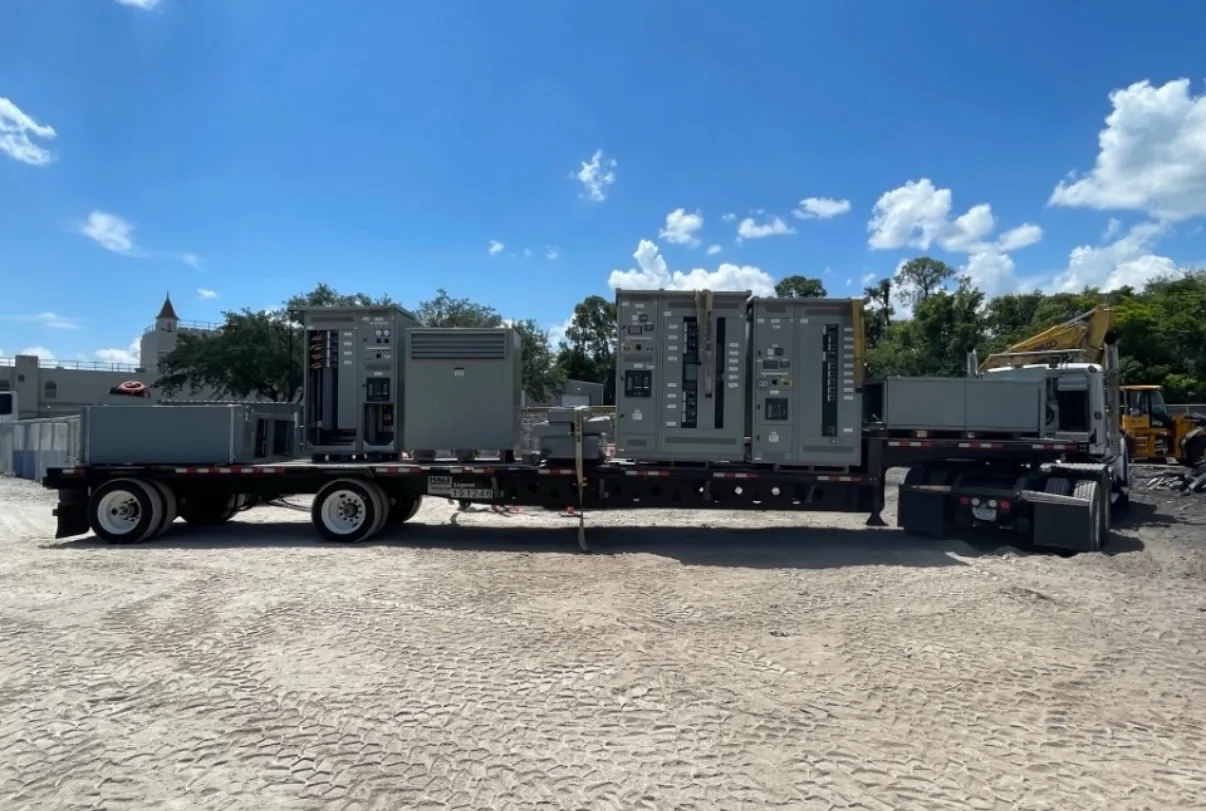
Finished equipment ships nationwide, including to Reno. Coordinate receiving arrangements, unloading responsibility, storage conditions and the route from delivery point to the installation area before shipment. Short lead times may be supported, but schedule expectations depend on the finalized scope and should be confirmed for the specific order. This approach helps Reno project teams align equipment selection, site readiness and delivery planning without assuming a local manufacturing facility or relying on unverified site conditions.