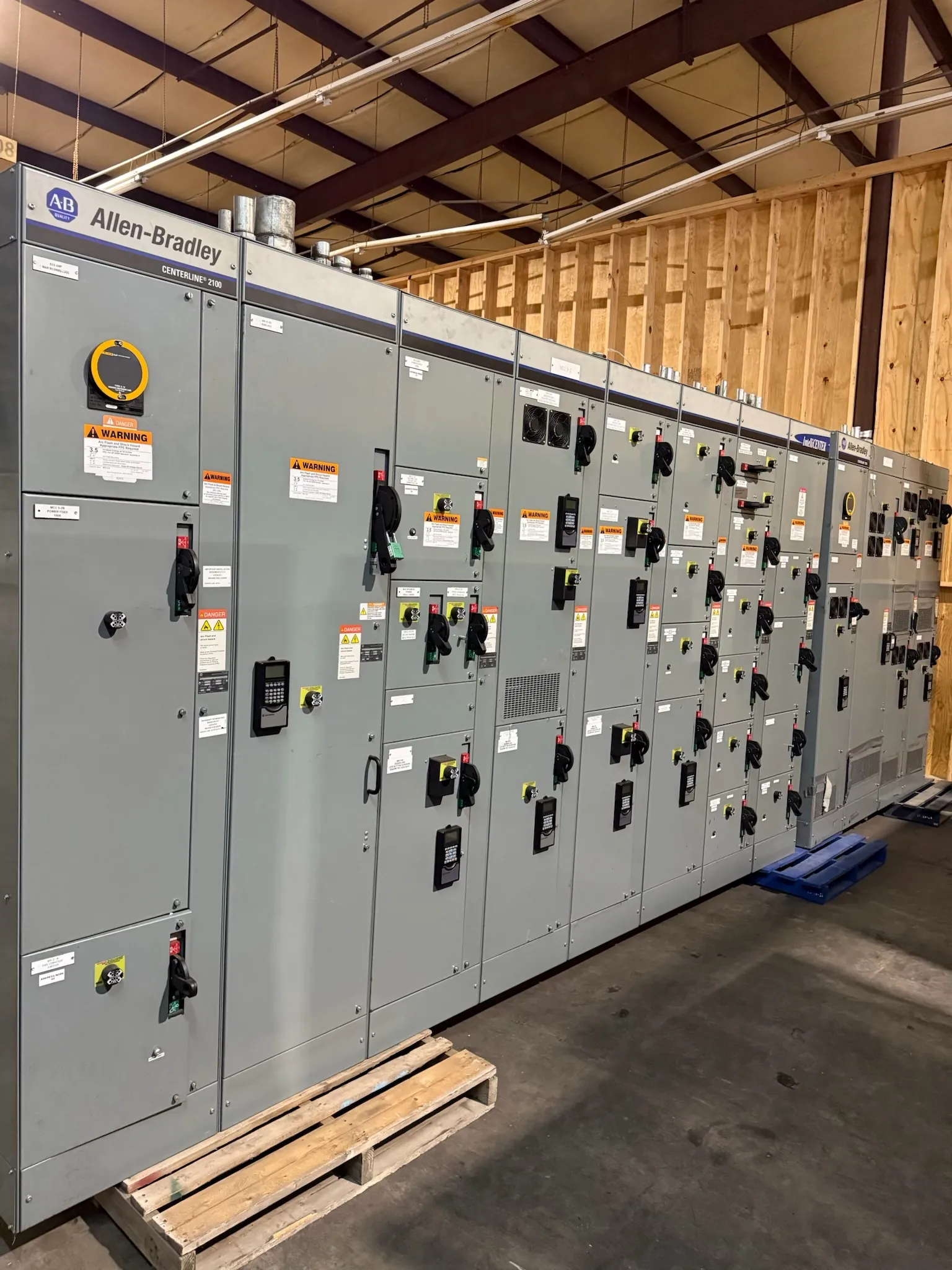
Low-Voltage Switchboards for Tonopah Projects
For a facility in Tonopah, a low-voltage switchboard is a key part of the distribution plan: it receives power at a defined point, provides overcurrent protection and distributes feeders to downstream equipment. The right arrangement depends on the electrical service, load profile, available fault current, installation conditions and the equipment that must connect downstream. We manufacture new custom switchboards in the United States using all-American components and can ship equipment nationwide, including to Nevada. Final design and ratings require project-specific engineering review.
Early coordination helps keep the switchboard compatible with the service entrance, transformers, panelboards, motor control equipment and other connected loads. Drawings and specifications should identify the intended function of each section, the incoming source and the outgoing circuits. A one-line diagram is a useful starting point, but it does not replace confirmation of site conditions, applicable requirements or interfaces with other equipment.
Service and Feeder Arrangements — Low-Voltage Switchboards in Tonopah, NV
Service configuration shapes the lineup and its connection points. The project team should confirm whether the switchboard is service equipment or located downstream, how the incoming conductors or bus connect, and whether the design requires main overcurrent protection, a main device with distribution sections, or another specified arrangement. Neutral and grounding provisions must match the system design and the equipment’s intended role. These choices should be established with the electrical engineer and utility or service provider as applicable—not inferred from a general equipment description.
Feeder sections can be arranged around the loads they serve, with circuit protection and conductor terminations selected to suit the specified distribution plan. Useful quotation inputs include the latest one-line diagram, feeder schedule, conductor information, required device types, available space, entry direction and any specified metering or control interfaces. Confirming these details early can reduce drawing revisions and help identify conflicts with adjacent equipment or field routing.
Bus Sizing and Available Fault Current — Low-Voltage Switchboards in Tonopah, NV
Bus selection is not simply a choice based on the switchboard’s nominal system voltage. The project must distinguish system voltage from equipment ratings and define the required continuous current rating for the service and distribution sections. Load calculations, demand assumptions, future provisions and the intended operating arrangement all influence the engineering review. Bus material and configuration should follow the project specification and manufacturer design; they should not be selected from an assumed load or a generic rule of thumb.
Available fault current at the equipment location is another essential input. The specified short-circuit or withstand rating must be evaluated against the fault-current study and the protective devices, including their characteristics and coordination with upstream equipment. A system voltage, breaker rating or bus current rating alone does not establish that the assembly is suitable for the available fault current. The responsible engineer should provide the relevant study information and confirm the required ratings and coordination basis for the project.
UL 891 and Project-Specific Documentation — Low-Voltage Switchboards in Tonopah, NV
UL 891 may apply to low-voltage switchboards when that standard is relevant to the product and project specification. It should not be treated as a blanket standard for every type of switchgear or as evidence that a particular assembly is listed. Before procurement, confirm whether the project requires a listed switchboard, the applicable scope, and the exact assembly configuration covered by the documentation.
Request and review project-specific listing documentation for the offered equipment, including the product identification and configuration relevant to the submittal. The project team should also verify required markings, ratings and any other specified compliance documents. Listing status and applicable requirements need confirmation for the actual equipment and design; they should not be assumed from a general statement about a product category.
Tonopah Site Conditions and Enclosure Planning — Low-Voltage Switchboards in Tonopah, NV
Tonopah’s location makes accurate site information important to equipment planning, but a city name alone does not establish the conditions at a particular facility. Confirm the actual installation altitude, expected ambient temperature range, exposure and indoor or outdoor location before finalizing the enclosure and ratings. Temperature limits and altitude-related considerations may affect how the specified assembly is evaluated; the responsible engineering team should assess them against the manufacturer’s published limits and project requirements.
Access arrangements also matter. Provide the equipment-room or pad layout, door and corridor dimensions, delivery route, turning constraints, unloading method and available working space. These details help the team evaluate lineup segmentation, handling provisions, enclosure dimensions and the sequence for moving equipment into place. Field measurements and coordination with the installing contractor are preferable to assumptions about access based on a general site description.
Information for a Tonopah Switchboard Quote
A useful request for quotation includes the one-line diagram, load and feeder schedules, system information, fault-current study, project specifications and required submittal documents. Include the intended service arrangement, bus and device ratings, enclosure location, environmental limits, cable or bus connections, metering needs and known access restrictions. Identify any design questions that remain open so they can be addressed during engineering review rather than treated as settled requirements.
Our team manufactures new custom power-distribution equipment in the United States and supports short lead times, with shipment available nationwide. Schedule and scope depend on the finalized design, required documentation and project coordination. Before release, qualified engineering and site personnel should confirm that the switchboard’s arrangement, ratings, listing documentation and installation interfaces match the Tonopah project.