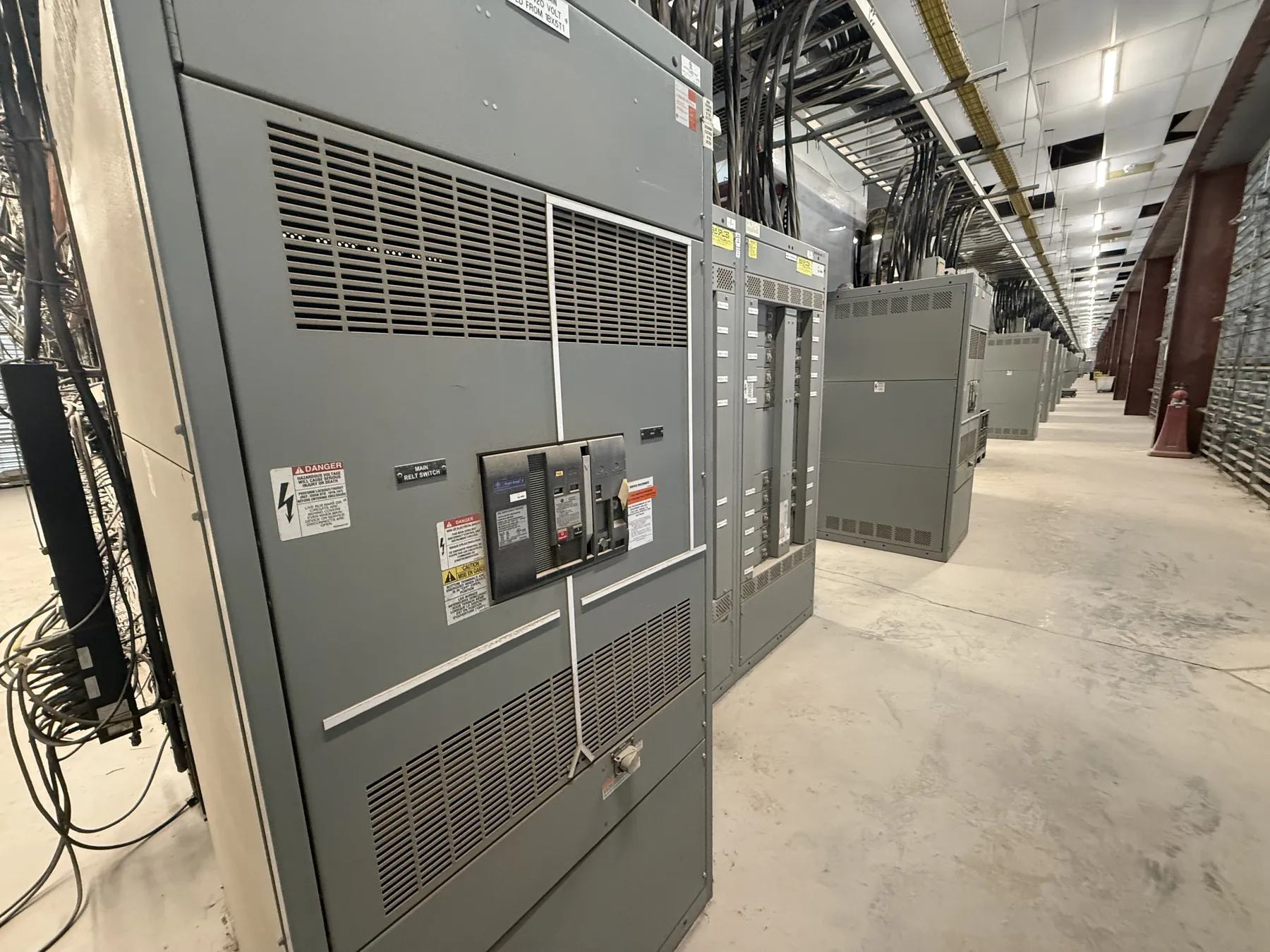
Automatic Transfer Switches for Reno Facilities
Automatic transfer switches (ATS) monitor designated power sources and, when configured conditions are met, transfer connected loads from one source to another. For Reno projects, the right selection depends on the facility’s power architecture, the loads that must remain supplied, and the behavior expected when a source fails or returns. A switch is not a generator, uninterruptible power supply, or general-purpose distribution panel; it is a switching device within a coordinated system. Our U.S.-manufactured equipment is built with all-American components, with short lead times supported and nationwide shipping available. Project-specific scope and timing must be confirmed during quotation.
Start by identifying the normal and alternate sources, the portions of the facility to be served, and any loads that cannot tolerate an interruption. A design team should also establish how the ATS interfaces with generators or other alternate sources, upstream protection, downstream distribution, and any supervisory or building-control system. Those details shape the equipment configuration and cannot be settled by product selection alone.
Choose the Transfer Transition Around Load Behavior
Transition describes how the switch moves a load between sources. In an open-transition arrangement, the connection to one source is opened before the connection to the other is made. This avoids intentionally paralleling the sources, but creates a brief interruption during transfer. That interruption may be acceptable for many loads and unacceptable for others, so assess the actual connected equipment rather than assuming a facility has a single tolerance.
Other transition strategies may be considered when the application requires a different transfer behavior. Any arrangement that permits overlap or depends on source synchronization requires careful review of the source characteristics, protective scheme, and governing project requirements. The engineer must determine whether it is appropriate and coordinate the controls and equipment accordingly. The selected transition should be stated in the specification and quotation request, not left to interpretation.
Source Sensing and Control Choices
An ATS uses sensing and control logic to determine whether a source is within configured limits and whether transfer or retransfer should occur. Relevant settings and functions depend on the switch design and project sequence. The design team should define which source conditions initiate a response, how the alternate source is started or made available, and what conditions permit return to the normal source. Timing, alarms, remote indication, and control-system interfaces should match the facility’s operating intent.
Provide the generator or alternate-source information available at design time, including its control interface and any required start, status, or alarm signals. Identify whether the project calls for local indications, remote monitoring, or integration with a facility system. Do not assume that a preferred sequence, communications protocol, or control feature is included without confirming it in the equipment scope.
Load, Withstand, and Short-Circuit Coordination
Load rating and withstand capability answer different questions. The load rating addresses the current the transfer equipment is intended to carry under its specified conditions. Withstand and related short-circuit ratings address the equipment’s ability to endure fault-current stresses in coordination with the protective devices and available fault current. These ratings are not interchangeable, and neither is simply another name for system voltage.
For a sound selection, the engineer needs the system voltage and phase, expected load, source and fault-current information, and the upstream protective-device details. The switch rating, any applicable short-circuit rating, and the overall protective-device combination must be verified for the actual installation. The equipment’s voltage rating must also be suitable for the system; a current or withstand rating alone does not establish that suitability. Ratings and project compatibility require engineering review.
Neutral Switching and Reno Installation Conditions
Whether the neutral is switched depends on the grounding arrangement, source configuration, and applicable design requirements. Generator systems and other separately derived source arrangements may affect how neutral and ground conductors are treated. The correct choice is not determined by location or switch rating alone. Have the electrical engineer document the grounding scheme and specify a switched or solid neutral as appropriate, including any related pole configuration and connections.
Reno’s elevation and the actual equipment-room environment should be checked against the equipment’s rated installation conditions. Confirm the installation altitude and the ambient-temperature design criteria, including expected room conditions, rather than relying on general regional assumptions. Enclosure, ventilation, mounting space, conductor entry, access, and the route from receiving point to final location can also affect layout and logistics. These are site-specific checks, not claims about a particular Reno facility.
UL 1008 Scope and Quotation Information
UL 1008 is the standard associated with transfer-switch equipment. Its applicability, the requested listing, and the exact equipment configuration must be confirmed for the project; do not infer that every assembly or feature is covered simply because an ATS is specified. Listing requirements, applicable codes, utility or authority requirements, and project documentation should be identified by the responsible design professionals and confirmed for the proposed equipment.
To develop a useful quotation, provide the one-line diagram or source arrangement, system voltage and phase, load and transition requirements, neutral and grounding intent, available fault-current and protective-device information, control interfaces, enclosure and installation conditions, and any specified listing or documentation needs. Include the Reno site’s altitude and ambient-temperature criteria. Our team can use those inputs to define a new manufactured ATS configuration for review. Final ratings, listings, interfaces, lead time, and project suitability are subject to confirmation against the design documents and site conditions.