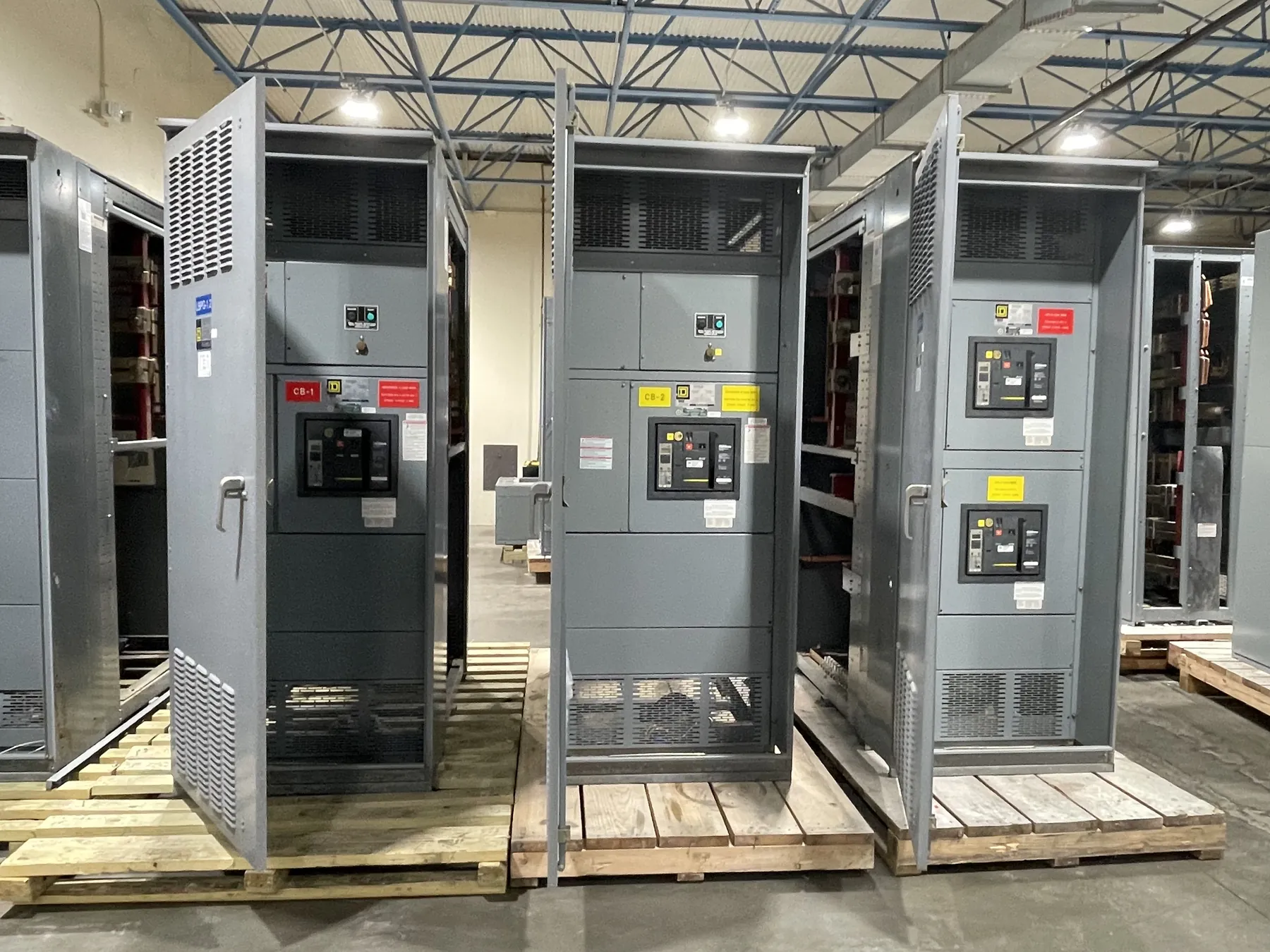
Low-Voltage Switchboards for Pahrump, NV Projects
Planning a low-voltage switchboard for a Pahrump facility starts with the actual electrical service, not a catalog voltage or a presumed standard arrangement. Service voltage, phase and wire configuration, grounding method, and the utility or upstream source all affect the board’s configuration and interfaces. These details should be confirmed for the project site before equipment is specified. Our U.S.-manufactured switchboards use all-American components, are made new to project requirements, and can ship to Pahrump as part of nationwide service.
Site conditions also shape the enclosure and installation plan. Indoor or outdoor placement, available electrical-room space, access routes, environmental exposure, cable entry direction and working clearances can influence dimensions and construction. Share the intended location and installation constraints early so the proposed assembly can be reviewed against the project documents. Shipping arrangements and site access should be coordinated with the project team; no local factory or Pahrump office is implied.
Service and Feeder Arrangements — Low-Voltage Switchboards in Pahrump, NV
The service section establishes how incoming power connects to the switchboard, while feeder sections distribute power to downstream panels, equipment or other loads. A useful one-line diagram identifies the source, main overcurrent device, feeder breakers or switches, and the destinations each circuit serves. It should also show whether the design calls for a main device, a main-lug arrangement, or another configuration permitted by the project requirements and applicable rules.
Feeder count and device types affect the board’s layout, usable space and future flexibility. A schedule listing each feeder’s load, conductor information, protective-device requirements and destination helps identify conflicts before quotation. If future circuits are anticipated, state that requirement explicitly: spare physical space, spare devices and installed capacity are different design considerations and should not be treated as interchangeable.
Bus Sizing, Ratings and Available Fault Current — Low-Voltage Switchboards in Pahrump, NV
Bus selection must reflect the specified electrical design and applicable equipment ratings. Load calculations, demand assumptions, conductor terminations, temperature conditions and the arrangement of the assembly may all matter. A bus rating is not the same thing as system voltage; neither should be inferred from a product name or from a site’s general description. The engineer of record should establish the required ratings and confirm that the proposed equipment is suitable for the intended system.
Available short-circuit current at the switchboard location is essential quotation and coordination information. It depends on the source and the electrical path to the equipment, so a value from another point in the facility may not apply. Provide the available fault-current study or the responsible engineer’s confirmed value, along with the required short-circuit rating and protective-device information. The equipment rating and upstream protection must be evaluated together; a switchboard cannot be selected solely by matching nominal voltage or bus amperage.
Grounding and Site-Specific Electrical Details
For a Pahrump project, verify the service voltage, grounding approach and available short-circuit current at the site. Identify whether the switchboard is at service equipment or downstream, how neutral and equipment-grounding conductors are handled, and what bonding provisions the design requires. These decisions depend on the source arrangement and governing project documents; they should not be guessed from a city, building type or existing panel label.
Useful quotation inputs include the one-line diagram, panel or feeder schedules, load information, required enclosure and installation location, cable entry preferences, and any specified protective devices or metering. Include the project’s requested standards, drawings and documentation requirements. If information is preliminary, mark it clearly so unresolved items can be identified rather than silently assumed.
UL 891 and Project Listing Documentation
UL 891 may apply to low-voltage switchboards when the product configuration and project requirements fall within its scope. It does not establish suitability for every switchgear product, voltage class or assembly, and it should not be taken as blanket certification of a complete installation. Whether a particular switchboard is listed, and what configuration that listing covers, requires confirmation for the specific proposed equipment.
Ask for project-specific listing documentation and confirm that it corresponds to the offered assembly, ratings and construction. The project team should also review applicable code, installation requirements and any authority or owner documentation expectations. Listing status, ratings and design details must be confirmed rather than assumed from a general product description.
From Quotation to a Buildable Switchboard
A clear package of electrical documents helps turn design intent into a defined manufacturing scope. We review the supplied requirements, identify information needed to resolve the configuration, and develop the switchboard around the confirmed project details. Changes to feeder schedules, fault-current data, enclosure conditions or required documentation can affect the design and should be communicated before the assembly is finalized.
Our equipment is newly manufactured in the United States with all-American components, and we support short lead times and nationwide shipping. Actual timing depends on the approved scope and project requirements; no exact delivery date should be assumed until confirmed. For Pahrump installations, coordinate shipping, receiving access and placement plans with the contractor and site team. Final selection and installation require review by qualified electrical professionals familiar with the project conditions.