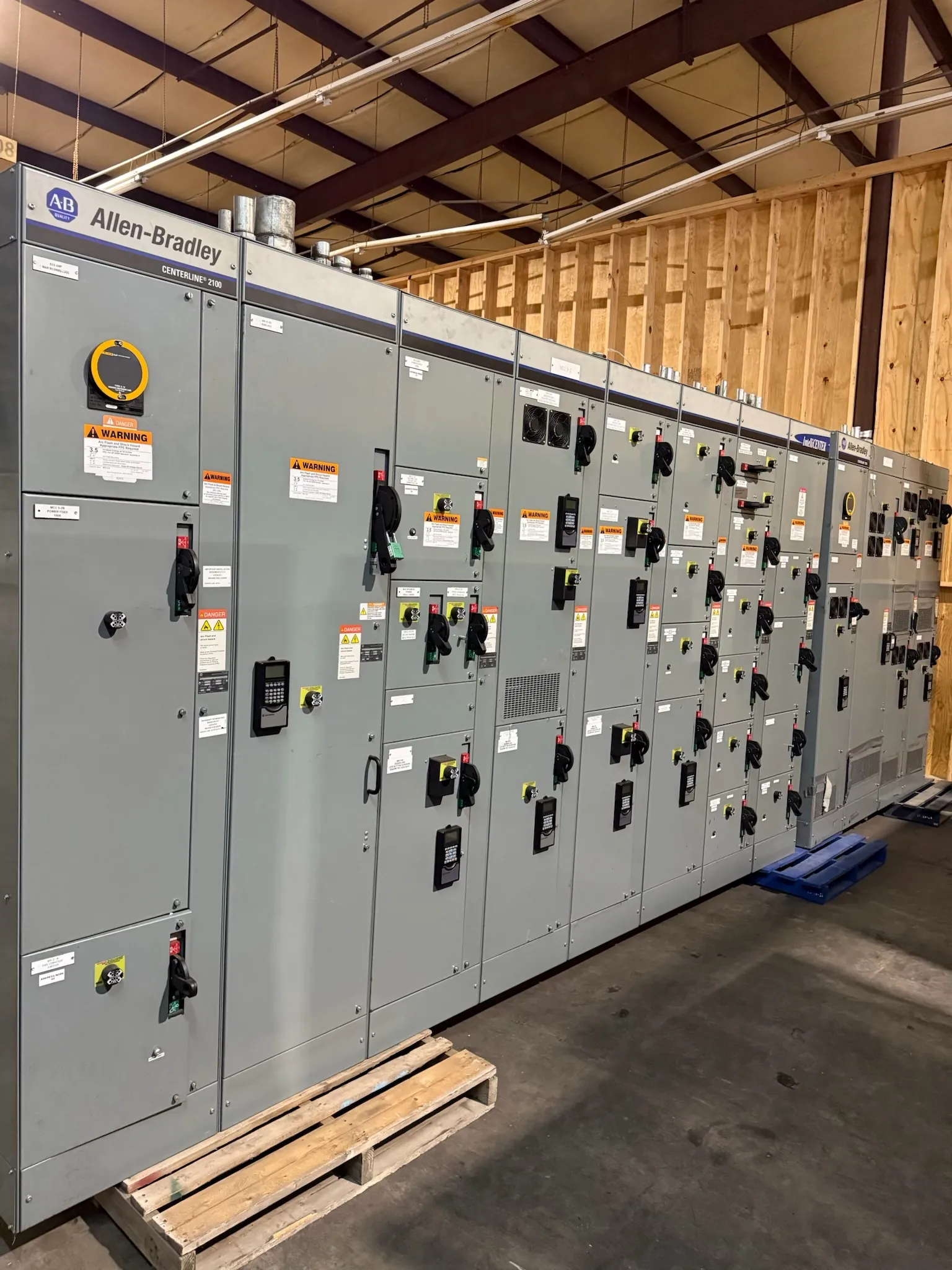
Low-Voltage Switchgear for Mesquite, NV Facilities
Low-voltage switchgear is a coordinated assembly of circuit breakers, bus, protective devices and control components selected for a particular electrical system. For a Mesquite project, the design should begin with the service arrangement and the loads the equipment must support, not with a generic lineup. A commercial building, industrial process or utility-related installation may have different requirements for incoming sources, feeder circuits, metering and future expansion. Qualified electrical engineers should confirm the design against the project documents, applicable codes and site conditions.
It is also important to distinguish a breaker or bus rating from system voltage. Equipment ratings describe limits for particular functions and conditions; they do not, by themselves, establish that an assembly is suitable for a given installation. The specified system voltage, available fault current, grounding arrangement and other application details must be reviewed together before equipment is selected.
Compare Power Circuit Breaker Arrangements — Low-Voltage Switchgear in Mesquite, NV
Low-voltage power circuit breaker switchgear can be arranged to suit how a facility expects to operate and maintain its distribution system. The design may use incoming and feeder breakers, provisions for multiple sources, or other project-specific configurations. A drawout breaker arrangement can support removal of a breaker for maintenance or replacement, while a fixed arrangement may suit a different set of project priorities. Neither choice is automatically best: the equipment layout, operating philosophy, maintenance resources and required interfaces all matter.
When comparing arrangements, identify which breakers need interchangeability, whether spare breaker provisions are required, and how controls or protective relays will communicate with the facility’s systems. Confirm the intended metering, status indication and control interfaces early. These choices affect compartment layouts and wiring, so adding them late can require design changes rather than a simple component substitution.
Bus Ratings, Fault Duty and Protection Coordination
Bus selection involves more than choosing a current rating. The engineer should define the continuous current requirements and evaluate the assembly’s short-circuit withstand and interrupting requirements as applicable to the specified design. Those values must be consistent with the electrical study and the protective devices protecting the system. A bus rating should not be treated as a substitute for verifying the complete equipment application.
Coordination review considers how protective devices respond to faults at different points in the distribution system. Breaker types, trip functions and settings can influence which device operates and how much of the facility is affected. The equipment manufacturer needs the project’s approved electrical information to configure the specified devices; coordination decisions belong with the responsible electrical engineer. Changes to sources, transformers, feeder lengths or loads may affect the study and should be reviewed rather than assumed to leave prior settings valid.
Maintainability and Mesquite Site Conditions
Allow space and access for the equipment arrangement shown in the project design, including the planned breaker configuration and cable or bus connections. Consider how technicians will reach compartments, inspect components and perform the maintenance anticipated by the facility’s program. Room dimensions, doorways, cable entry points and the route from receiving to the electrical room can all constrain lineup size and shipping sections. These details are useful quotation inputs, not afterthoughts.
Mesquite’s hot-weather conditions make site ambient temperature and ventilation important design checks. Compare the expected room and equipment ambient conditions with the selected assembly’s published ratings, and account for the electrical room’s ventilation or cooling design. Do not assume an indoor location will remain within a rating simply because it is enclosed. The project team should evaluate heat sources, airflow, installation clearances and any environmental conditions that may affect the specified equipment.
UL 1558 and Project Documentation
UL 1558 may be relevant when specifying low-voltage metal-enclosed switchgear, but its applicability depends on the product and project requirements. It should not be interpreted as a blanket statement about every low-voltage assembly or every system voltage. Confirm the requested construction, applicable standard, listing requirements and documentation for the particular equipment being quoted. Do not infer a listing from a product description; any listing or certification claim must be confirmed for the specific assembly.
Useful quotation documents include the one-line diagram, equipment schedule, available fault-current information, load and feeder requirements, protection or coordination criteria, and room layout. Include required control, metering and communications interfaces, along with environmental conditions and any project-specific construction requirements. Missing or preliminary information can affect the proposed configuration and should be identified for engineering review.
Manufacturing and Delivery for Nevada Projects
We manufacture new custom power-distribution equipment in the United States using all-American components, and ship equipment nationwide, including to Nevada. Short lead times are supported, but timing depends on the approved design, component requirements and project schedule; a specific delivery date should be confirmed during quotation. Clear drawings and timely engineering decisions help keep the equipment scope aligned with the facility’s needs. Final ratings, construction details and project interfaces require review and confirmation by qualified professionals before release.