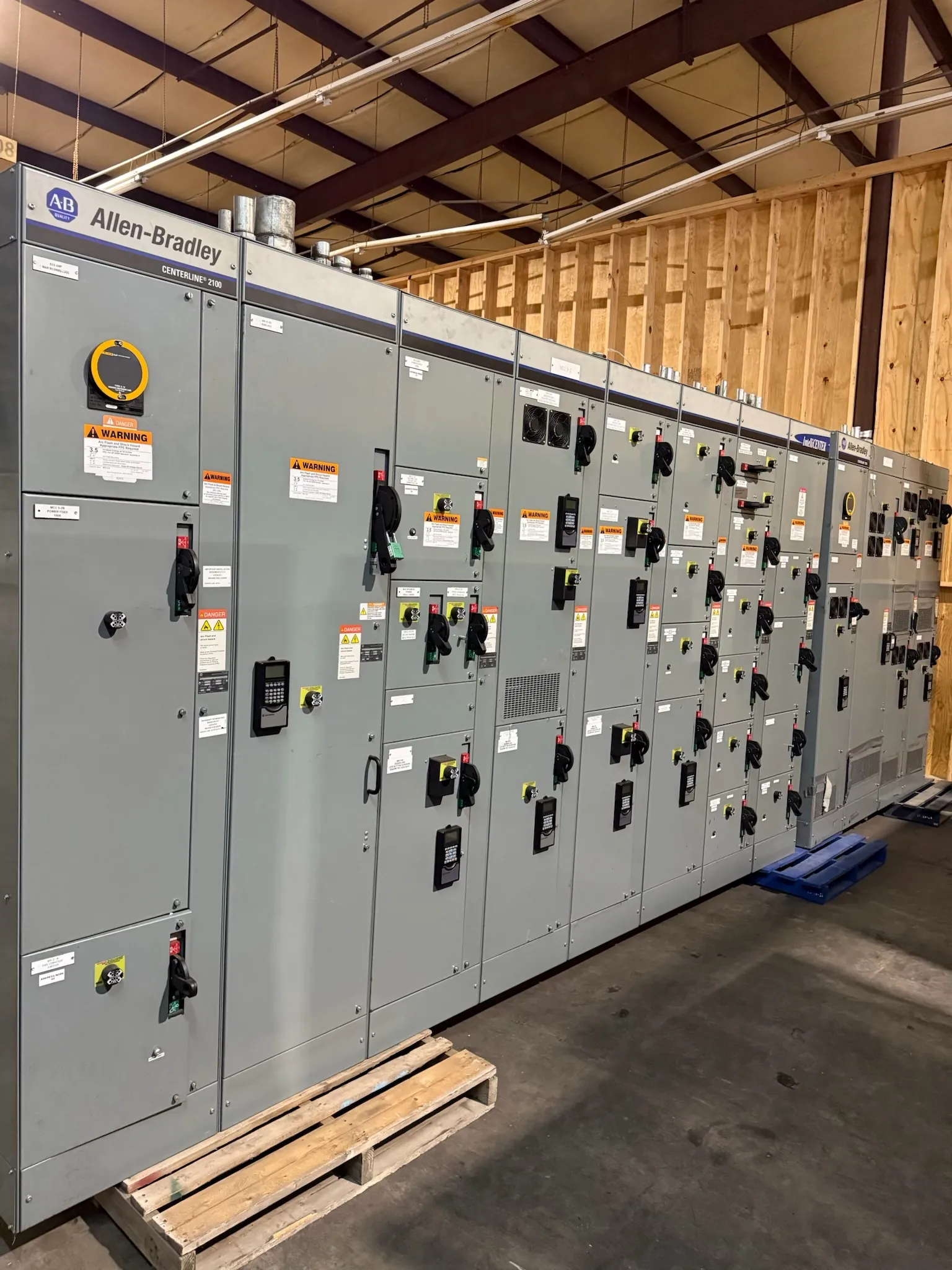
Low-Voltage Switchgear Choices for Hawthorne Projects
Low-voltage switchgear for a Hawthorne facility should be selected around the electrical source, the loads it serves and the conditions where it will be installed—not by voltage label alone. Power circuit breaker arrangements can offer different approaches to protection, isolation and maintenance. A project may call for a main breaker, feeder breakers, tie breakers or a combination, depending on the source configuration and distribution plan. The appropriate arrangement requires review of the one-line diagram, load requirements and available fault current by qualified electrical professionals.
New custom switchgear is manufactured in the United States using all-American components and can be shipped to Nevada. Short lead times may be supported, but the project schedule depends on the approved design, component requirements and manufacturing details. Shipping to Hawthorne is not a substitute for confirming receiving access, unloading arrangements or the conditions at the installation site.
Power Circuit Breaker Arrangement and Source Interfaces
The source arrangement is a key input to breaker selection and lineup design. Engineers should clarify whether the assembly will connect to a single source, multiple sources, a transformer, a generator or another distribution system. Where a tie breaker is considered, its intended operating logic and relationship to the source breakers need to be defined. These details affect protection coordination, interlocking requirements, control wiring and the way the lineup interfaces with upstream and downstream equipment.
Project documents should also identify incoming cable or bus connections, feeder destinations, metering and control needs, and any required interface with existing equipment. A proposed arrangement should not be assumed compatible with existing gear based only on appearance or nominal voltage. Connection dimensions, electrical ratings, control schemes and physical clearances all require confirmation during engineering review.
Bus Ratings, Voltage and Fault-Duty Review
Bus ratings describe equipment capabilities under specified conditions; they are not the same as the system’s nominal voltage. The required bus rating depends on the design load, expected demand, source characteristics and project criteria. Breaker ratings and interrupting capabilities also need to suit the available fault duty at the equipment location. That duty depends on the electrical system and should be established through a qualified engineering study, not inferred from a general product description.
For a Hawthorne project, provide the available system information and identify any planned changes to sources or transformers. Engineers can then assess the required ratings and determine whether the proposed lineup is suitable for the documented conditions. Rating selection, short-circuit withstand requirements and coordination assumptions should be confirmed against the project design and applicable codes before equipment is released for manufacture.
Maintainability, Access and Facility Conditions
Maintainability begins with how the lineup will be arranged in the electrical room. The project team should verify room dimensions, equipment orientation, working clearances, door and pathway constraints, cable entry locations and access for installation. Hawthorne site conditions can vary by facility, so the design should use actual site information rather than assumed room layouts. Shipping and receiving plans also matter: confirm the delivery route, unloading capability and any restrictions on moving equipment from the receiving point to its final location.
Power circuit breaker construction can affect inspection and maintenance access, but the selected equipment must be evaluated as a complete assembly. Confirm the intended access points, compartment arrangement and provisions for future feeder work with the manufacturer and project engineer. Installation, inspection and maintenance planning should be developed by qualified personnel for the specific equipment and site; a web description cannot establish safe work methods or authorize work on energized equipment.
Coordination and UL 1558 Considerations
Protective-device coordination is a system-level design task. The engineer should review upstream and downstream devices, breaker trip settings and the applicable fault-current information to evaluate how protection is intended to operate. Selectivity goals may influence breaker choices and settings, while the available fault duty can constrain them. The final coordination approach must be based on the actual system model and reviewed by qualified professionals.
UL 1558 may be relevant to a low-voltage switchgear project, depending on the product scope and applicable requirements. It should not be treated as a blanket statement that every proposed assembly is listed or that a particular project meets all code or utility conditions. Listing status, construction details and project applicability must be confirmed for the specific equipment. UL 891 applies to applicable low-voltage switchboards, not universally to switchgear or other equipment categories.
Information for a Hawthorne Switchgear Quotation — Low-Voltage Switchgear in Hawthorne, NV
A useful quotation package includes the one-line diagram, system voltage, source arrangement, documented fault-duty information, required bus and breaker ratings, feeder schedule, control and metering needs, and any project specification. Include room drawings, cable-entry preferences, access limits and receiving or installation constraints when available. Identify required review milestones and the expected approval process so design questions can be resolved before manufacturing begins.
Where information is incomplete, note the open items rather than assuming ratings or interfaces. The manufacturer can use the submitted requirements to develop a proposed configuration and identify details needing engineering confirmation. Final ratings, listing applicability, coordination and installation conditions remain subject to project-specific review by qualified engineers and the responsible site team.