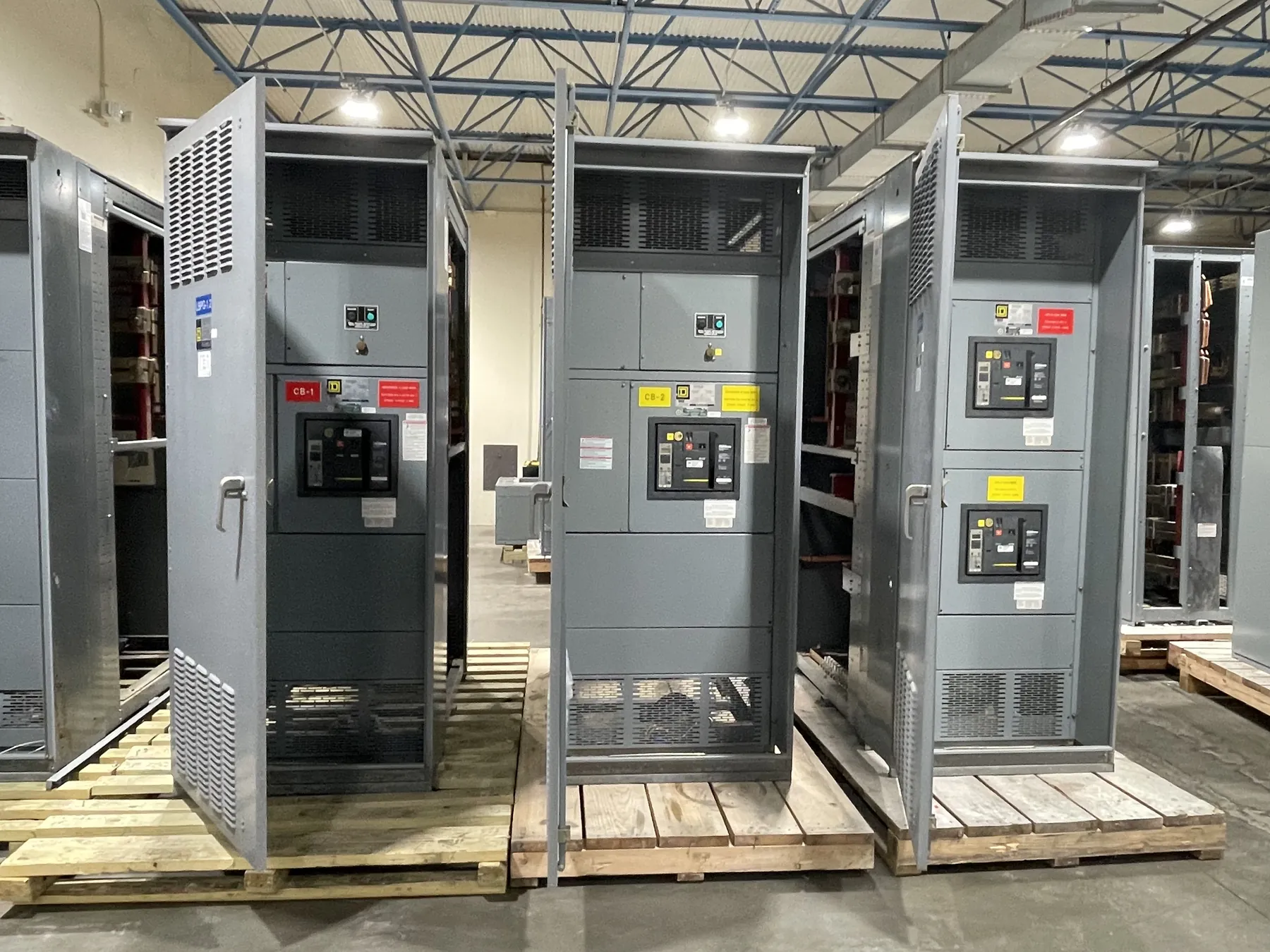
Low-Voltage Switchgear for Gardnerville, Nevada Projects
Choosing low-voltage switchgear for a Gardnerville facility starts with the electrical system and the conditions where the equipment will be installed—not with a product label alone. A custom assembly can be configured around the project’s distribution arrangement, connected loads, protective devices and required interfaces. Its suitability depends on confirmed design information, site conditions and review by qualified electrical professionals. Equipment can be manufactured in the United States with all-American components and shipped to Nevada; shipping capability does not imply a local factory or office.
For a useful project review, identify the source and system voltage, available fault-current information, service or distribution role, load characteristics, and any requirements for future expansion. Also provide one-line diagrams and relevant specifications when available. These inputs help establish which equipment arrangement is appropriate and which details still require engineering confirmation.
Power Circuit Breaker Arrangements and Access — Low-Voltage Switchgear in Gardnerville, NV
Low-voltage power circuit breaker switchgear may be considered when a project calls for circuit breaker-based distribution and coordinated protection. The arrangement can affect how incoming, tie and feeder devices fit into the lineup, how circuits are separated, and how maintenance access is accommodated. The project’s operating concept and electrical design should determine the configuration; a breaker arrangement should not be selected solely by comparing a single rating.
Maintainability is a practical design consideration. Discuss which devices need to be accessible for inspection or replacement, how the lineup will be positioned within the electrical room, and whether working clearances and equipment-removal paths can be maintained. Room dimensions, door openings, adjacent equipment and planned cable routes can influence section layout and connections. A qualified engineer and the responsible site team must assess the installation and establish appropriate work practices.
Bus Ratings, System Voltage and Fault Duty
Bus ratings describe equipment capabilities under specified conditions; they are not interchangeable with the system’s nominal voltage. Confirm bus ampacity, voltage class, short-circuit withstand or interrupting requirements, and applicable device ratings against the project documents. These values depend on the system design and must be reviewed together. Selecting a bus rating without checking connected loads, protective devices and fault-current conditions can leave important requirements unresolved.
Bus configuration also affects physical and electrical interfaces. The design review should address incoming conductors, feeder terminations, neutral and grounding arrangements where applicable, and any connection to transformers, generators or other distribution equipment. Available fault current and protection requirements should be established by qualified project professionals rather than assumed from the equipment’s location or a typical application.
Coordination and Protective Device Interfaces
Protective-device coordination considers how breakers respond to faults at different points in a distribution system. The intended sequence and selectivity depend on device characteristics, settings, system conditions and the project’s protection study. A switchgear quotation can identify the proposed equipment and device interfaces, but it cannot replace engineering analysis of the complete system or determine appropriate settings without qualified review.
When requesting a proposal, share the latest one-line diagram, breaker schedule, known source information, required metering or control interfaces, and any coordination or arc-flash study requirements. If studies or settings are not yet available, identify that status so the scope can distinguish confirmed selections from items requiring later engineering coordination. Changes to upstream equipment or connected loads may affect the review.
UL 1558 and Applicable Product Requirements — Low-Voltage Switchgear in Gardnerville, NV
UL 1558 is a standard associated with low-voltage metal-enclosed switchgear. It may be relevant when the project specification calls for that type of equipment, but mentioning the standard does not establish that a particular assembly is listed to it. Confirm the requested standard, product scope, construction details and any required documentation with the manufacturer and the project’s qualified electrical professionals. Listing status and applicable requirements must be verified for the specific configuration.
Do not treat UL 1558 as a blanket description for every product sold as switchgear, or as a substitute for reviewing project specifications. Low-voltage switchboards and other equipment categories may be governed by different requirements. The proposal should clearly identify the equipment being offered and the standards or listing requirements that have actually been confirmed.
Gardnerville Site Conditions and Quotation Inputs
For a Gardnerville installation, verify the site elevation and the environmental specifications that apply to the selected equipment. Elevation can be relevant to equipment application and ratings, so it should be included in the technical review rather than inferred from a city name. Confirm whether the lineup will be indoors or outdoors, and document ambient conditions, exposure, enclosure needs and installation location. These details help determine whether the proposed construction is suitable for the actual setting.
Include destination and receiving constraints in the quotation discussion: access for freight delivery, unloading arrangements, route to the electrical space, and any limits on section size or handling. Nationwide shipping supports delivery planning, but transit and installation logistics depend on the site and project schedule. A complete request should also identify desired lineup arrangement, connection details, metering and control needs, documentation requirements, and the project stage. Final ratings, product requirements and installation suitability require confirmation through engineering and site review.