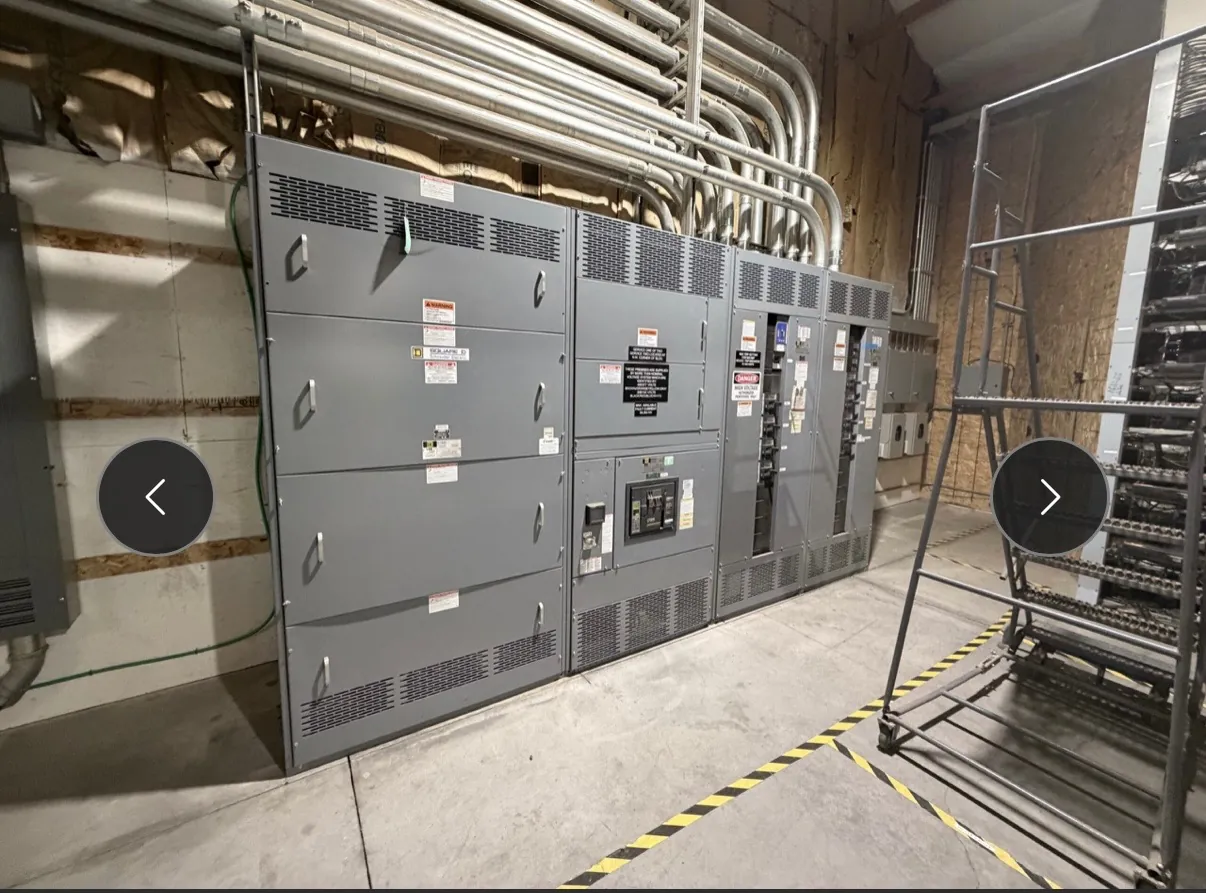
Planning Switchgear for a Fallon, Nevada Project
Distribution equipment for a Fallon facility should be specified around the electrical system it will serve, the loads it must support, and the conditions at the installation site. Start by identifying the service arrangement, available fault-current information, system grounding, and the intended locations of the equipment and downstream panels. These details shape the required equipment configuration and help the engineering team assess interfaces with transformers, generators, transfer equipment, and existing distribution. A project in Fallon can be supplied by a U.S. manufacturer without assuming that the manufacturer has a local facility or that site conditions are identical from one property to another.
Describe Load Profiles and Motor Starting Needs
A useful load schedule distinguishes continuous loads from intermittent or cyclical demand, and identifies major motors, drives, HVAC equipment, pumps, and other significant loads. For motor-driven equipment, provide motor nameplate data where available, starting method, expected starting sequence, and whether multiple motors may start at the same time. Direct-on-line starting, reduced-voltage methods, and variable-frequency drives can affect transient demand and protective-device selection in different ways. Include planned future loads, but identify them as future rather than present demand. The design team can then evaluate feeder and bus requirements against the project’s actual operating profile instead of relying on a single total-load figure.
Set a Clear Protective-Device Coordination Objective
State what the project is trying to achieve when a fault occurs: for example, limiting an interruption to the affected portion of the distribution system where practicable, while still meeting equipment protection and safety requirements. Coordination is not a blanket promise that only one device will operate under every fault condition. It depends on the selected devices, their settings and time-current characteristics, available fault current, system configuration, and the range of operating conditions. Provide existing upstream and downstream device information, generator or alternate-source details, and any required study criteria. A qualified engineer must review the system and determine whether the proposed arrangement meets the project’s coordination objectives.
Confirm Ratings, Construction, and Equipment Interfaces
Specify the system voltage separately from equipment ratings. Identify the service and feeder requirements, bus arrangement, number and type of outgoing circuits, enclosure and access needs, and any metering, control, or communication interfaces. Fault-duty ratings must be checked against available fault current and the complete system arrangement; they cannot be inferred from nominal voltage alone. Where a low-voltage switchboard is specified, UL 891 may apply to that product category, but it does not establish a listing for every switchgear assembly or cover medium- or high-voltage equipment. Confirm applicable ratings, listings, and project requirements for the exact proposed configuration.
Account for Fallon Site and Delivery Conditions
Before finalizing the enclosure and layout, document the installation environment: indoor or outdoor location, exposure to weather or dust, ambient conditions, available working and equipment-clearance space, and the route from the receiving point to the installation area. These are site-specific questions, not assumptions about every Fallon property. For shipment planning, confirm the delivery address, receiving hours, unloading arrangements, access restrictions, and whether the equipment must be staged before installation. Nationwide shipment from a U.S. manufacturer can support a Fallon project, but the project team should coordinate transport and site readiness with the construction schedule and the equipment’s final dimensions.
Prepare a Complete Quote and Submittal Package
For a useful quotation, provide one-line diagrams, load schedules, available fault-current data, existing equipment details, requested device and metering features, enclosure requirements, and the project’s delivery location and target schedule. Include specifications that identify required standards or listings, while allowing exceptions or unresolved selections to be clearly documented. The manufacturer can use this information to develop a configuration and identify open engineering questions before release. Assemblies are built in the USA using all-American components, and short lead times may be supported; actual timing depends on the final design, component selection, and order details. Review drawings and technical submittals with the project’s qualified electrical professionals before approving manufacture.