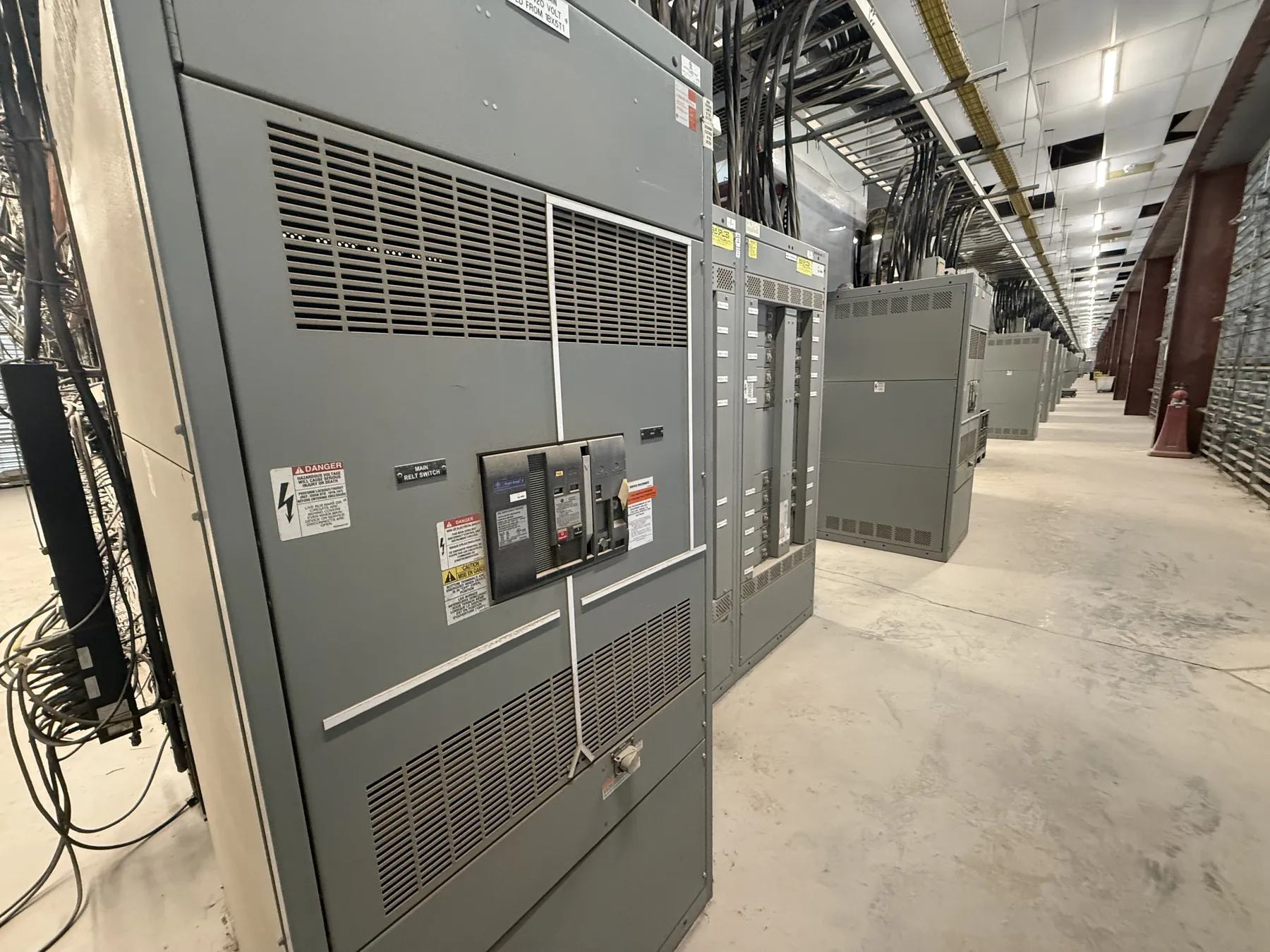
Low-Voltage Switchgear for Elko, NV Facilities
Low-voltage switchgear for an Elko project should be selected around the facility’s electrical system, operating demands, and physical environment—not by voltage label alone. A design discussion typically starts with the one-line diagram, available fault-current information, source arrangement, and the loads the assembly must serve. These details help establish suitable equipment ratings and protective-device requirements. The system voltage and an assembly’s voltage rating are related but distinct; neither, by itself, establishes that a particular configuration is appropriate for the site.
Facility conditions deserve early attention as well. Elko-area sites can have seasonal temperature changes, dust exposure, and differences in indoor or outdoor installation conditions. The project documents should specify the actual ambient conditions, enclosure location and requirements, and any environmental or access constraints. These are design inputs to verify for the specific site, not assumptions to apply uniformly across the region.
Power Circuit Breaker Arrangements and Serviceability — Low-Voltage Switchgear in Elko, NV
Low-voltage power circuit breaker switchgear can be arranged to suit the system’s sources, feeders, and operating scheme. A project might require a main breaker, feeder breakers, tie breaker, or a combination determined by the electrical design. The number and placement of sections affect footprint, cable entry, equipment interfaces, and the work area needed for inspection or future maintenance. A compact arrangement may reduce floor-space demands, while added separation or access provisions can affect dimensions and configuration.
Maintainability is more than choosing a breaker type. Consider how technicians will reach breaker compartments, inspect connections, handle removable components where specified, and access control wiring and instrument devices. Identify doors, aisle clearances, overhead obstructions, and nearby equipment on the site layout. The equipment manufacturer can develop an assembly to the project requirements, but the facility’s qualified electrical and engineering team must confirm that the proposed arrangement fits the installation and maintenance plan.
Bus Ratings, System Conditions, and Coordination — Low-Voltage Switchgear in Elko, NV
Bus selection should follow documented system requirements rather than a rule of thumb. The project team needs to establish the required continuous current rating and evaluate the assembly’s short-circuit withstand and interrupting requirements in context. These ratings describe different capabilities and should not be treated as interchangeable. Available fault current, source characteristics, protective-device performance, and the intended operating configuration all inform the engineering review. Bus material, layout, and connection details may also affect the specified assembly.
Protective-device coordination is a system study, not a stand-alone switchgear feature. Breaker trip-unit settings and time-current relationships must be reviewed against upstream and downstream devices, fault-current data, and the project’s protection objectives. Selective coordination requirements, where applicable, need to be documented and evaluated by qualified engineers. Changes to the source, transformer, feeder, or breaker selection can alter the study results, so the equipment schedule and coordination documents should remain aligned.
UL 1558 and Applicable Project Requirements
UL 1558 is a standard associated with metal-enclosed low-voltage power circuit breaker switchgear when it applies to the specified product and project. It is not a blanket designation for every form of switchgear or power-distribution equipment. The procurement documents should identify the required standard, product scope, ratings, and any listing expectations. Whether a particular proposed assembly can meet those requirements must be confirmed for its exact construction and configuration; this page does not establish a listing or certification.
Other project requirements can include control schemes, metering, communications, protective relays, auxiliary power, and interfaces with upstream sources or downstream distribution equipment. Define signal points, terminal requirements, and responsibility for external wiring early. Drawings and schedules should also identify the intended breaker functions and any required interlocks. The project’s electrical engineer and equipment supplier should resolve conflicts among the one-line diagram, specifications, and equipment layout before production details are finalized.
Elko Site Information for Enclosure and Layout
For a useful quotation and design review, provide the installation address or site conditions, indoor or outdoor location, ambient temperature range specified for the project, enclosure requirements, and available equipment-room dimensions. Include cable-entry direction, conductor information when established, floor or foundation details, and required working and maintenance access. If dust, moisture, corrosion, altitude, or other environmental factors are relevant, document the actual exposure and applicable project criteria so the enclosure and equipment can be reviewed accordingly.
Shipping to Elko is part of a nationwide delivery scope, but transport access and receiving arrangements should be considered alongside equipment dimensions and shipment planning. Confirm unloading capability, route limitations, site staging, and the sequence for moving equipment into its final location. These details can affect how the assembly is configured and delivered; they should not be assumed from the city name alone.
Preparing a Low-Voltage Switchgear Specification
A complete inquiry should include the one-line diagram, equipment schedule, project specifications, fault-current and coordination information available to date, and the site layout. Identify required bus ratings, breaker functions, metering and controls, enclosure conditions, cable interfaces, and applicable standards. Clearly mark unresolved design items so they can be reviewed rather than filled in by assumption. Final ratings, construction, listing applicability, and interfaces require confirmation against the project documents and qualified engineering review.
The manufacturer builds new custom power-distribution equipment in the United States using all-American components and supports short lead times, with equipment shipped nationwide. Actual scope and timing depend on the approved design, component requirements, and project documentation. Early coordination among the facility team, electrical engineer, and manufacturer helps align the Elko installation’s physical constraints with the switchgear’s electrical and maintenance requirements.