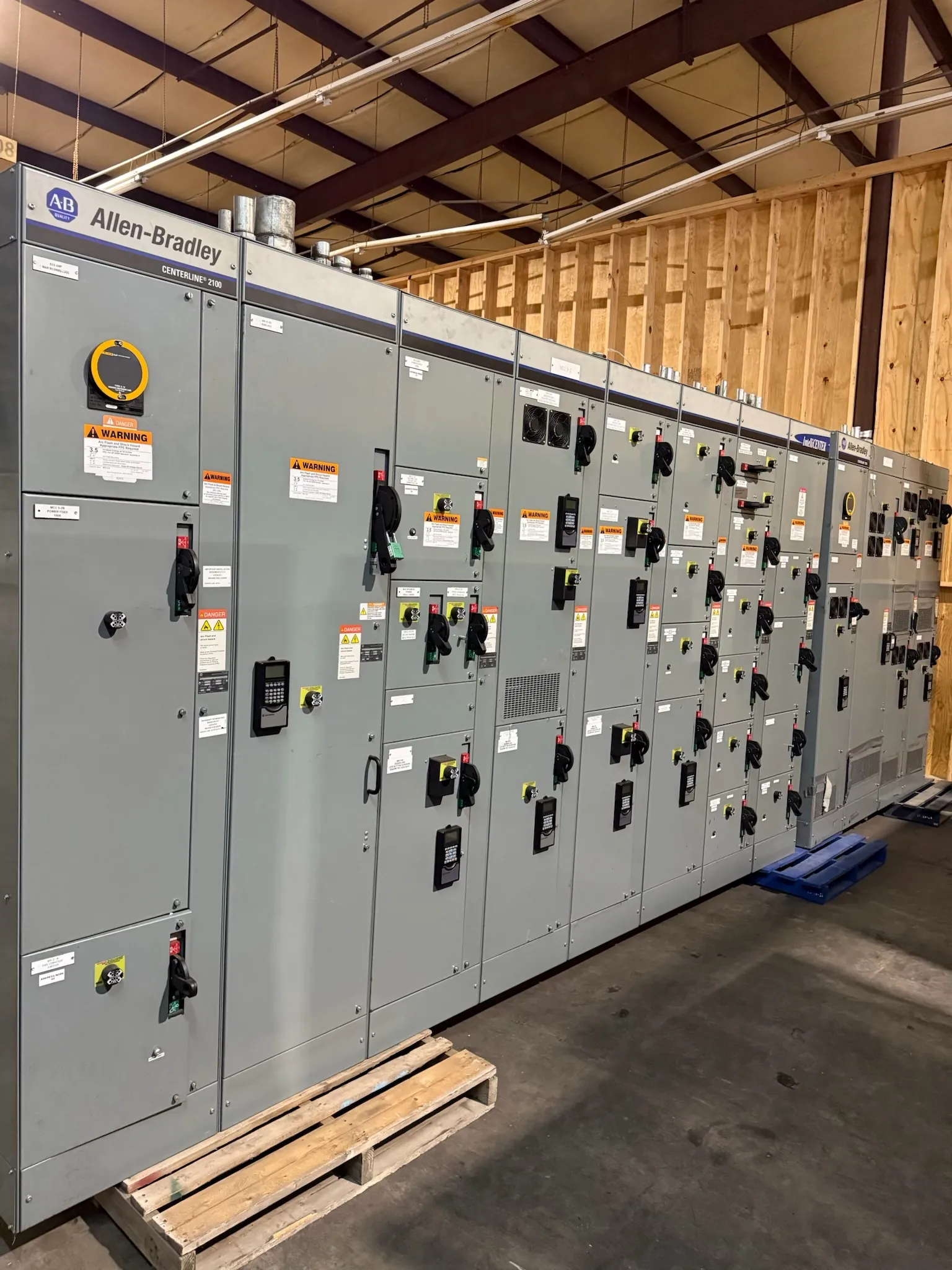
Low-Voltage Switchboards for Elko, Nevada Projects
Elko facilities can have very different distribution needs, from a service entrance serving a commercial building to feeder distribution for a remote or industrial site. A low-voltage switchboard should be configured around the actual one-line diagram, loads, source arrangement and installation environment—not selected by nominal voltage alone. We manufacture new custom power-distribution equipment in the United States using all-American components, with short lead times as a goal and shipping available nationwide, including to Elko. Final configuration, schedule and shipping details depend on the approved project requirements.
Early coordination helps establish what the switchboard must connect to and how it will be maintained. The service point, upstream protective device, downstream panels or equipment, grounding and bonding arrangement, metering requirements, and available space all affect the design. A qualified electrical engineer should review the system design and applicable requirements for the site.
Service and Feeder Arrangements — Low-Voltage Switchboards in Elko, NV
Service equipment and feeder switchboards serve different roles, and that distinction shapes the lineup. A service arrangement may need provisions for the incoming source, service disconnecting means, metering or monitoring interfaces, and outgoing feeders. A distribution switchboard downstream of service equipment may instead focus on organizing feeder protection and supplying multiple panels, machinery groups or building systems. The project one-line should identify the source and each outgoing circuit, including any alternate source or tie arrangement.
Feeder quantity and size influence section layout, device selection, bus configuration and termination space. Confirm conductor material and count, cable or busway connection requirements, entry direction, lug provisions, and whether field connections must accommodate a particular routing path. Changes to these details late in design can affect enclosure dimensions and installation clearances, so they belong in the quotation package wherever possible.
Bus Sizing and Available Fault Current — Low-Voltage Switchboards in Elko, NV
Bus selection is not simply a matter of matching the largest breaker frame. The design must account for the applicable current rating, connected and future loads, expected loading patterns, ambient conditions, and the system’s protective-device arrangement. Project engineers should provide the required ratings and design basis. A switchboard’s current rating is distinct from system voltage; neither one, by itself, establishes that the equipment is suitable for the installation.
Available fault current at the switchboard is another essential input. Its value depends on the source and upstream system, and it must be evaluated at the equipment location. The specified short-circuit rating and protective-device coordination must be suitable for that available fault current and the project’s design. Provide the engineer’s fault-current information and relevant upstream device details for review. Do not infer a fault rating from a breaker label, nominal voltage or a general description of the facility.
UL 891 and Project Documentation
UL 891 may apply to applicable low-voltage switchboards when the product configuration and project requirements call for it. It should not be treated as a blanket standard for every type of switchgear or as evidence that unrelated equipment is covered. Whether a particular assembly is listed, and the scope of that listing, must be confirmed for the exact configuration.
For a project requiring a listing, request and review project-specific documentation identifying the equipment and applicable scope. Ratings, listing status, options and interfaces require confirmation against the proposed assembly and project documents; do not assume that a standard name alone establishes approval for a particular installation. The engineer of record and the authority having jurisdiction determine applicable design and acceptance requirements for the site.
Elko Site Conditions, Enclosure and Access
For an Elko installation, document the specified ambient conditions at the actual equipment location rather than relying on a citywide assumption. Indoor and outdoor placement, exposure to dust or moisture, temperature range, ventilation, elevation and nearby heat sources may affect enclosure selection or equipment design review. Provide the project’s stated environmental requirements and any enclosure constraints so they can be considered with the electrical ratings and installation details.
Maintenance access deserves the same attention as initial fit. Show the switchboard location, available working space, door swing, cable routing, wall or structural constraints, and the intended approach for inspection and future service. These details should be checked against applicable codes and the manufacturer’s requirements by qualified project professionals. For sites outside town or with restricted delivery access, confirm the receiving location, unloading arrangements and route to the equipment room before shipment; these logistics should not be assumed from the city name.
Information to Prepare for a Switchboard Quote — Low-Voltage Switchboards in Elko, NV
A useful request package typically includes the current one-line diagram, specified voltage and frequency, service or feeder role, bus and fault-current requirements, protective-device schedule, metering needs, conductor and termination details, enclosure conditions, and layout or access drawings. Include applicable listing requirements and any project specifications, along with delivery-site constraints and required submittal information.
Our team can use those inputs to develop a proposed new switchboard configuration for engineering review. The project’s qualified professionals remain responsible for confirming system design, code compliance, coordination and site suitability. Clear documentation helps align the manufactured assembly with the Elko project’s electrical interfaces, environmental conditions and installation plan before production and nationwide shipment are arranged.