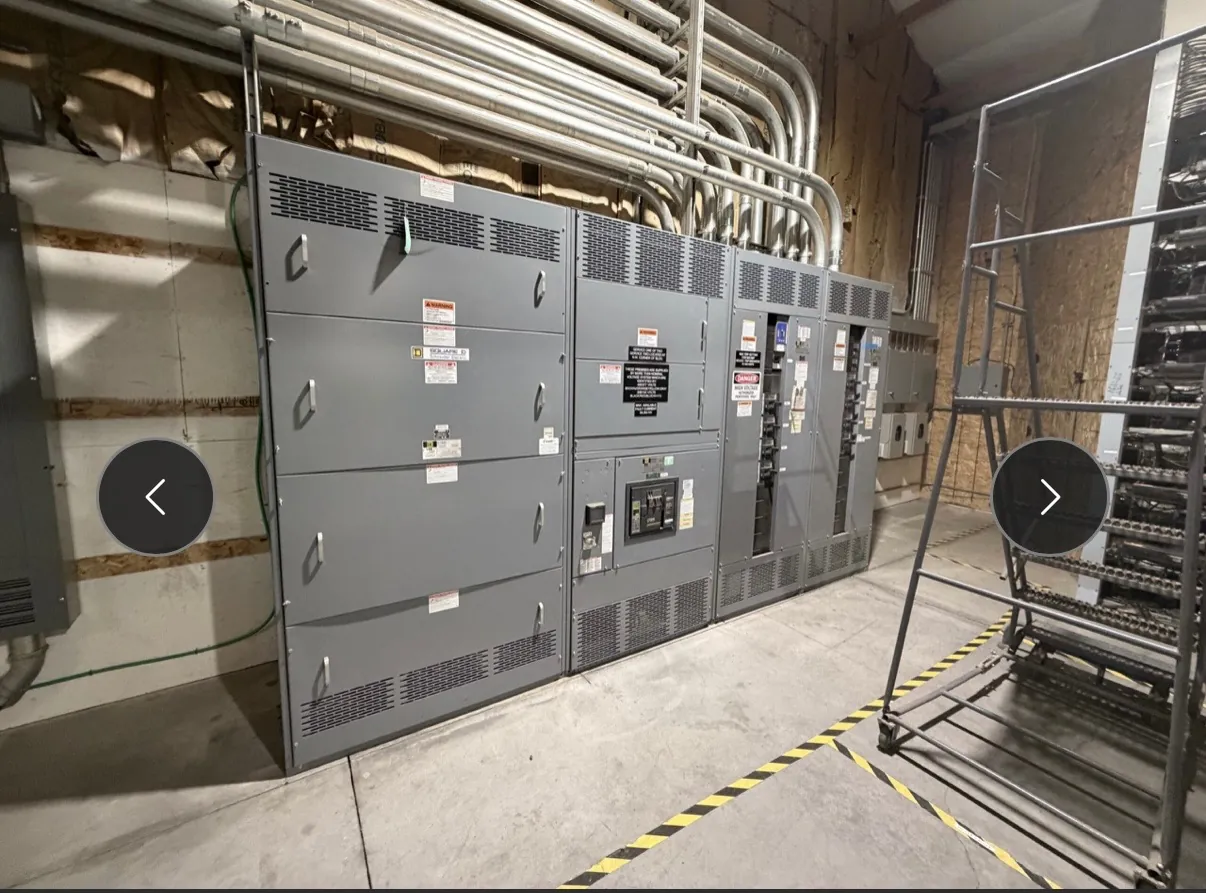
Low-Voltage Switchgear for Boulder City Project Requirements
Low-voltage switchgear is a central part of a facility’s electrical distribution system, but selecting an arrangement begins with the project’s actual service conditions—not a product label alone. For a Boulder City project, owners, electrical contractors, consulting engineers and facility teams should establish how the equipment connects to the serving utility, what loads it supplies and how it will be accessed for inspection and maintenance. A custom assembly can be configured around documented project requirements; final design depends on qualified engineering review and coordination with the site and utility.
Start by defining the service voltage, available fault-current information, incoming conductors, load profile and required continuity of service. These details influence the lineup configuration, protective-device selection, bus design and space needs. Keep system voltage distinct from equipment ratings: a rating is not, by itself, proof that an assembly is suitable for a particular service. The applicable ratings, construction and documentation must be confirmed for the specified equipment and installation.
Power Circuit Breaker Arrangements and Service Continuity
Low-voltage power circuit breaker switchgear can be arranged to suit different sources, feeders and operating priorities. A project may call for a main device and multiple feeder devices, or for additional sections and source arrangements where the electrical design requires them. The right configuration depends on the one-line diagram, load criticality, source characteristics and the intended operating scheme. More compartments or alternate-source provisions can affect lineup length, controls, interfaces and commissioning scope, so they should follow a defined requirement rather than be added by assumption.
Discuss which loads must remain in service during planned maintenance or an interruption, and what operational steps the owner expects the system to support. These priorities inform compartment layout and device selection, but they do not replace a site-specific engineering assessment. Interlocks, transfer functions and protective-device settings require review against the complete system design. Do not infer that a particular arrangement provides a specific continuity or safety outcome without confirming its design and application.
Maintainability, Access and Boulder City Site Conditions
Maintainability involves more than whether a breaker can be removed. Review the equipment’s intended access, the working and service clearances shown in the project documents, cable entry and termination space, lifting or handling constraints, and the route from the delivery point to the electrical room. For a Boulder City site, confirm actual building access, room dimensions, doorways, floor conditions and any restrictions on delivery timing with the project team. These are site-specific logistics, not assumptions that can be resolved from the city name.
Compare breaker accessibility and compartment organization with the owner’s maintenance resources and the facility’s operating needs. A compact lineup may help where floor space is limited, while easier access or provisions for future sections may require more room. Consider heat, dust, ventilation and environmental conditions at the installation location when developing the equipment specification. The manufacturer and project engineers should review these conditions and the applicable enclosure and installation requirements before the design is released.
Bus Ratings and Protective Coordination — Low-Voltage Switchgear in Boulder City, NV
Bus ratings should be selected from the documented load and system requirements, including the main and feeder configuration, anticipated operating conditions and relevant fault-duty information. The lineup rating, individual device ratings and system voltage are related but distinct design considerations. Confirm each applicable rating for the proposed equipment and do not treat a nominal bus value as evidence that the complete assembly is suitable for the available fault current or the installation.
Protective coordination requires a system-level review of upstream and downstream devices, fault-current data, load characteristics and the owner’s selectivity objectives. Breaker frame and trip-unit choices, settings, and any required coordination study should be addressed by the responsible electrical engineer. The manufacturer can use approved project documents to build the specified equipment, but settings and coordination cannot be reliably determined without qualified engineering analysis of the connected system.
Utility Interface, Metering and Grounding Before Release
For a Boulder City service design, define the utility interface before releasing the switchgear for manufacture. Identify the point of service, source configuration, incoming termination requirements and the information the serving utility requires for its review. Establish the metering scheme, including the intended location and interfaces for utility or owner metering, as applicable. Utility requirements are project-specific; confirm them with the utility and design team rather than assuming a standard arrangement will be accepted.
Document the grounding and bonding scheme alongside the service configuration. The design team should clarify how the equipment connects to the facility grounding system and how neutral treatment applies to the selected arrangement. Metering provisions, control interfaces and compartment needs can affect the lineup design, so late decisions may require changes to drawings and equipment configuration. Final service details require review by qualified professionals and coordination with the site and utility.
Specification and Quotation Inputs for New Equipment
A useful quotation package includes the one-line diagram, load and feeder schedule, service and fault-current information, required bus and device ratings, metering and grounding requirements, available room dimensions, cable-entry preferences, environmental conditions, and the project’s documentation and delivery constraints. Identify whether a low-voltage power circuit breaker arrangement is required and describe any maintainability or future-expansion goals. Clear inputs help distinguish mandatory requirements from preferences and reveal interface questions early.
UL 1558 may be relevant to low-voltage metal-enclosed switchgear, depending on the product and project specification. Its applicability, along with any requested listing or other compliance documentation, must be confirmed for the particular assembly; it should not be presumed from the term “switchgear.” Ratings, construction details and project acceptance requirements likewise need confirmation during engineering review. New custom equipment is manufactured in the United States using all-American components, with nationwide shipping and support for short lead times. Actual schedule and shipment details depend on the approved scope and project requirements.