Ampacity in Switchgear: Current-Carrying Capacity Under Stated Conditions
Ampacity is the current a conductor or assembly can carry continuously under specified conditions without exceeding applicable temperature limits. In switchgear and power-distribution equipment, it is not a free-standing measure of how much power a system can deliver. Its meaning depends on the component being rated, the installation and environmental assumptions, and the governing equipment design and standards.
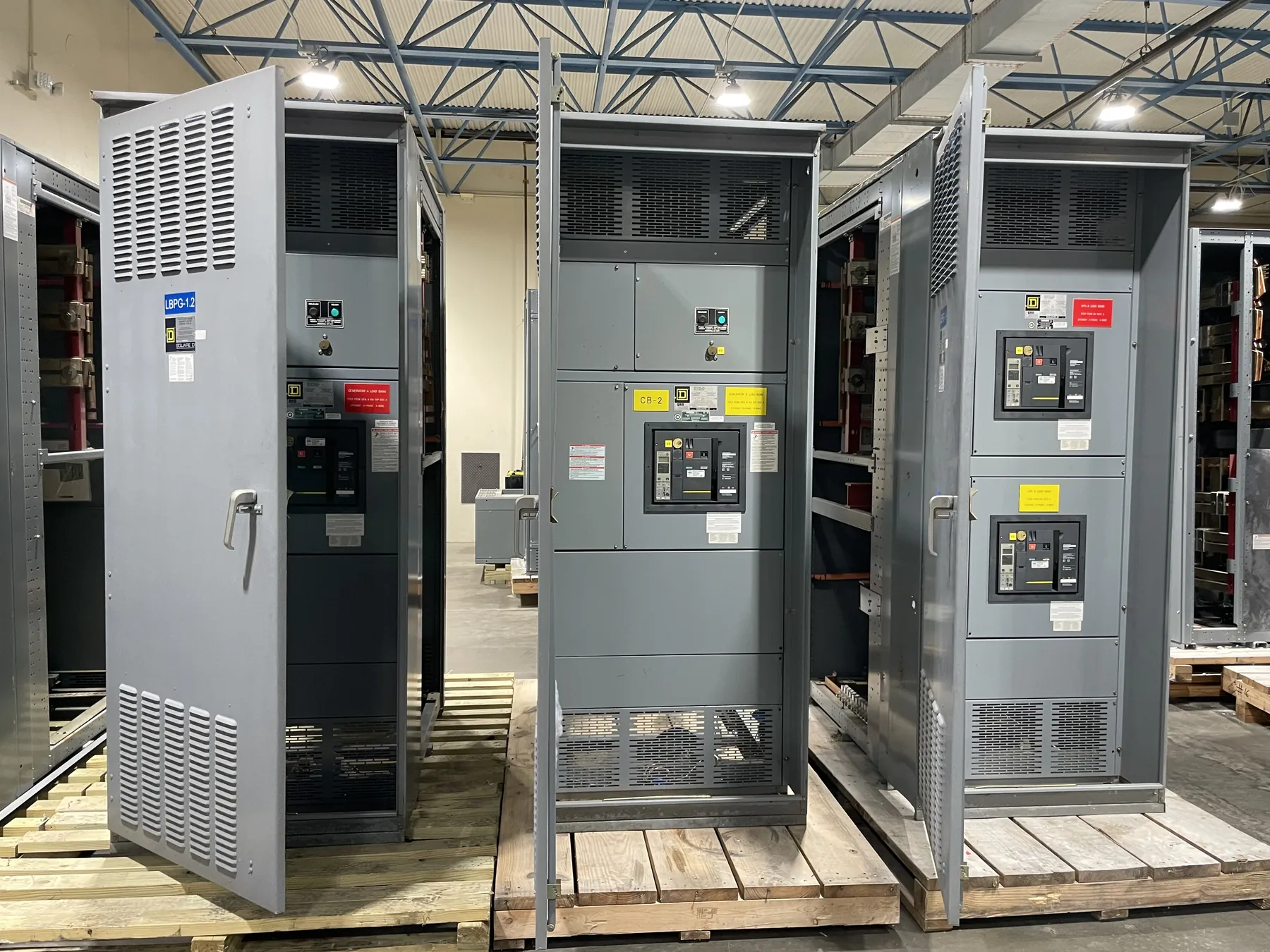
For a custom switchboard, the relevant current-carrying parts may include bus bars, connections, and conductors. Their material, dimensions, arrangement, insulation, spacing, enclosure, and heat-dissipation conditions all affect performance. A stated ampacity therefore belongs to a defined design and set of conditions; it should not be transferred casually to a different assembly or installation.
Bus Ampacity Is Not the Same as a Breaker Setting
A bus rating describes the current-carrying capability assigned to the bus assembly under its applicable rating conditions. A circuit-breaker trip setting, by contrast, is a protective-device parameter that helps determine when the breaker responds to current. The two values are related in system design, but they are not interchangeable.
For example, a breaker may have adjustable settings, while the bus remains a separately rated part of the equipment. Selecting a setting does not increase the bus ampacity, and a bus rating does not by itself establish an appropriate protective-device setting. The complete design must account for the equipment ratings, conductors, protective devices, connected loads, and applicable requirements.
Conditions That Affect a Current Rating
Ratings rely on defined assumptions. Ambient temperature, enclosure construction, ventilation, conductor arrangement, connection details, and the location of equipment can influence heat rise and therefore the applicable current-carrying capacity. A design intended for one set of conditions may need review before it is used in a different room, enclosure arrangement, or operating environment.
Load behavior matters too. Continuous loading, expected demand, load diversity, and the presence of nonlinear loads are among the project details an engineer may consider. These factors do not authorize an informal adjustment to a nameplate rating. They help qualified professionals determine whether the selected equipment and protection are appropriate for the actual system.
How Ampacity Relates to Other Electrical Ratings
Ampacity is not voltage rating, interrupting rating, or short-circuit current rating. Voltage describes the electrical system level for which equipment is intended. Interrupting capability concerns whether a protective device can interrupt a specified fault current. Short-circuit ratings address equipment performance under defined fault conditions. Each addresses a different design question and must be confirmed for the application.
Likewise, a higher ampacity does not automatically mean a system can serve more load safely. The source, feeder conductors, overcurrent protection, downstream equipment, fault-current conditions, and installation all matter. Equipment ratings, listings, and project-specific compatibility require confirmation against the design documents and applicable standards. UL 891 applies to relevant low-voltage switchboards; it should not be taken as a blanket qualification for every switchgear type or power-distribution product.
Applying Ampacity to a Custom Switchboard
When specifying a new assembly, identify the required bus rating and system voltage separately. Also provide the intended incoming and outgoing arrangements, protective-device types and settings where established by the design, available fault-current information, enclosure and installation conditions, and any project-specific requirements. If some details are still under engineering review, mark them as pending rather than assuming a rating.
These inputs help a manufacturer develop a configuration for review and quotation. They also reveal interfaces that can affect the design, such as cable entry space, connection points, feeder distribution, and coordination with upstream or downstream equipment. Changes to these details may affect the assembly configuration and should be assessed before release for manufacture.
Confirm the Rating for the Actual Installation
For Nevada projects, the equipment’s intended indoor or outdoor location, ambient conditions, enclosure needs, and site-specific system information should be established with the project engineer. Shipping to a Nevada facility does not establish that a particular rating or configuration suits that site. The responsible electrical professionals must review the installation and coordinate the equipment with the complete distribution system.
In practical terms, read ampacity as a conditional current-carrying rating—not as a breaker adjustment, a power guarantee, or a substitute for system design. Confirm which component the value applies to, the conditions behind it, and how it relates to the project’s protective devices and other ratings. That distinction supports clearer equipment specifications and more reliable engineering review.