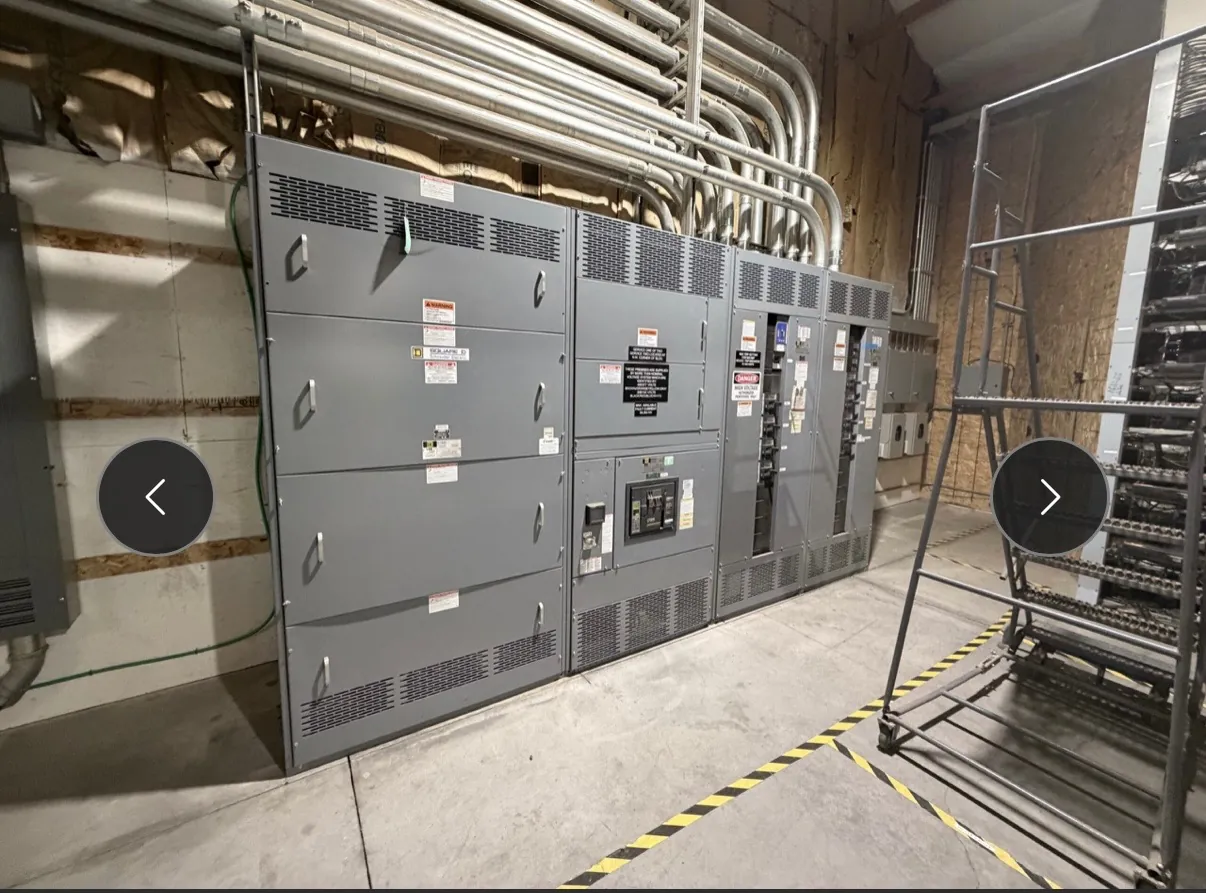
Available Fault Current Definition for Electrical Systems
Available fault current is the prospective current that a power system can deliver at a specified point if a short circuit occurs there. It is also called prospective short-circuit current. The value describes the electrical source and the path feeding the point under defined system conditions; it is not a current that flows continuously during normal operation. Because the source, transformers, conductors, and other impedance in the path affect the result, available fault current can differ from one location in a facility to another.
The term is often discussed alongside short-circuit current, interrupting rating, and withstand rating, but these terms do not mean the same thing. Available fault current is a calculated or otherwise established system value. An interrupting rating describes the fault current a protective device is rated to interrupt under specified conditions. A withstand rating concerns an assembly’s ability to endure the effects of fault current for a stated duration and with specified protective conditions. Selecting equipment requires comparing the relevant system conditions with the applicable ratings, not treating these terms as interchangeable.
Why Equipment Must Be Evaluated Against the Value
When a fault occurs, current can rise far above normal load current. Protective devices are intended to clear faults, but the equipment must also be suitable for the electrical stress that may occur before interruption. If the available fault current at a point exceeds a device’s applicable interrupting rating, the device may not be able to interrupt the fault as intended. An assembly’s short-circuit withstand capability and the protective-device combination also matter; a single rating on one component does not automatically establish suitability for the complete switchboard or switchgear assembly.
This is why a rating must be considered in context. Engineers evaluate the system voltage, the fault-current value at the equipment location, the protective devices and their characteristics, and the assembly’s applicable ratings and construction. A rating expressed in amperes is not the same as system voltage, and one cannot be inferred from the other. Ratings, listings, and project-specific suitability require confirmation against the actual design and applicable documentation.
What Changes Available Fault Current at a Location
Available fault current depends on the electrical source and the impedance between that source and the point being evaluated. Relevant inputs can include utility or other source characteristics, transformer impedance and configuration, conductor material and length, parallel paths, and the arrangement of generators or other onsite sources. Switching arrangements can also change which sources feed a section of the system. A value calculated for one operating configuration may not represent every permitted configuration.
For example, a distribution point supplied through a transformer and a long feeder may have a different prospective fault current from a point closer to the source. Adding a generator or changing a tie arrangement can alter the paths and sources that contribute. These examples explain the dependencies, not a specific result: the actual value should be established by qualified electrical engineering analysis using verified system data and operating assumptions.
How Fault Current Relates to Protection and Coordination
Protective-device coordination concerns how devices respond to faults so that the intended portion of the system is isolated where the design allows. It does not mean that available fault current itself is reduced to a chosen value, nor does a coordination study by itself prove that equipment ratings are adequate. Engineers consider device interrupting ratings, trip characteristics, time-current behavior, and equipment withstand limits together with the fault-current study.
Changes made to improve one aspect of protection may affect another. A device selected for a particular interrupting rating may have different coordination behavior, and an upstream protective device may influence how long downstream equipment experiences fault effects. The appropriate arrangement depends on the system, the equipment, and the project’s protection objectives. Evaluation should account for the complete protective scheme rather than relying on a label or an isolated component specification.
Information Needed to Specify or Quote Equipment
For a custom switchboard or power-distribution assembly, useful quotation inputs include the system voltage, available fault current at the proposed connection point, source and transformer information, one-line diagram, feeder and main-device requirements, and known protective-device selections. The intended operating configurations, including any alternate sources or ties, should also be identified. If a study is pending, say so; an assumed value should not be presented as a confirmed design condition.
These details help establish which ratings and construction options need engineering review. UL 891 applies to applicable low-voltage switchboards; it should not be treated as a blanket standard for all switchgear or other equipment. Whether a particular assembly falls within that scope, and what ratings or listing apply, must be confirmed for the actual product and project. A manufacturer can use the submitted design information to develop equipment for review, but cannot substitute a quotation for the engineer’s system analysis.
Confirming the Value Before Equipment Selection
Available fault current is location-specific and can change when a source, transformer, conductor, or system configuration changes. Nevada facilities may have different supply arrangements, site layouts, and operating constraints, so equipment selection should be based on the conditions at the installation rather than a generic regional assumption. The responsible engineer should verify the calculation, the applicable configuration, and the ratings required at each relevant point.
Custom equipment manufactured in the United States with all-American components and shipped nationwide can be developed around project requirements, including Nevada installations. Short lead times may be supported, but timing depends on confirmed scope and project details. Clear fault-current information early in design helps avoid rating assumptions and supports a more useful equipment review.