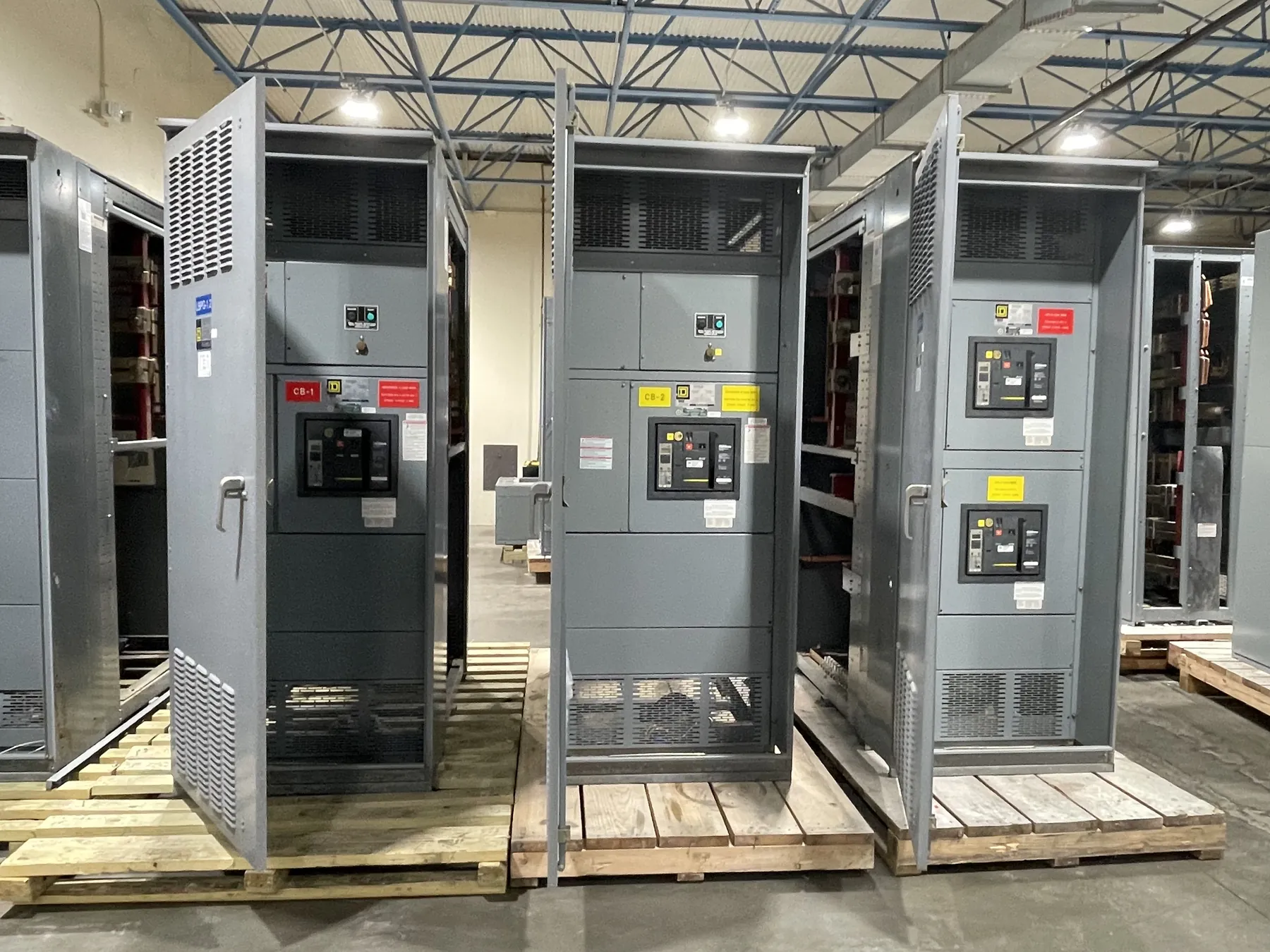
Choosing a Switchgear Voltage Class for a Nevada Facility
Start with the facility’s electrical system, not with a voltage-class label copied from another project. The nominal system voltage describes the intended operating voltage of the power system. Switchgear has its own equipment ratings, including a rated maximum voltage and insulation characteristics. Those values are related, but they are not interchangeable. The correct selection depends on the utility service, system design, equipment location, and the requirements established by the project’s qualified electrical engineer.
For a Nevada project, climate and site conditions may also shape the equipment specification. Indoor or outdoor placement, elevation, ambient conditions, available space, and service configuration can affect enclosure and design decisions. These factors do not change the need to establish the correct voltage class, but they belong in the same engineering review.
Nominal System Voltage Is Not the Equipment Rating
Nominal voltage is the system’s designated voltage—for example, the voltage identified for the service or distribution system in utility and project documents. It is a useful starting point for identifying the intended application. It does not, by itself, establish which equipment rating is acceptable.
Equipment rated maximum voltage is a manufacturer’s rating for the highest system voltage applicable to that equipment under its specified conditions. The selected equipment must be appropriate for the nominal system and the electrical design. A voltage label on a drawing, a utility service description, and an equipment nameplate may use different terms or values; the engineer should reconcile them rather than assuming they are equivalent.
Insulation Level Addresses Electrical Stress
Insulation level describes how the equipment’s insulation system is specified to withstand electrical stress. It is considered alongside rated maximum voltage, system grounding, switching conditions, and the expected environment. It is not a substitute for the equipment’s voltage rating, nor does one insulation value alone determine that a switchgear assembly is suitable.
The required insulation level should come from the project’s engineering criteria and applicable equipment specifications. Factors such as the system configuration and the equipment’s position in the distribution system can matter. The manufacturer can review stated requirements and propose equipment within its design scope, but the project engineer must confirm that the selection fits the system.
Confirm the Utility Service and System Interface
Before requesting a quotation, obtain the utility’s stated service voltage and configuration, including any information the utility provides about the point of delivery and service arrangement. Utility requirements can affect the incoming connection, metering interface, protection scheme, and equipment layout. A proposed switchgear voltage class should not be treated as utility-approved unless that has been specifically confirmed through the project process.
Also identify how the switchgear will connect to upstream and downstream equipment. Transformers, generators, transfer equipment, motors, and existing distribution gear may have different voltage requirements or interface constraints. For replacement or expansion work, drawings and nameplate information for connected equipment can help the engineer check compatibility. Site verification is important when existing records are incomplete or conditions have changed.
Coordinate Ratings, Protection, and the Full Specification
Voltage class is one part of a larger equipment specification. The engineer should coordinate it with current, interrupting, short-circuit, insulation, grounding, enclosure, and environmental requirements as applicable to the product and installation. Protection-device selection and settings also require system study and coordination; they cannot be inferred from nominal voltage alone.
For low-voltage switchboards, UL 891 may be applicable when the product and project specification call for equipment within that standard’s scope. It should not be read as covering every kind of switchgear or as a blanket certification of a complete electrical system. Medium-voltage equipment and other product categories have their own applicable requirements. Confirm the intended product type, ratings, listing requirements, and documentation for the specific project rather than assuming one standard applies across all equipment.
Information to Provide for a Switchgear Quote
A useful quotation request identifies the nominal system voltage and configuration, the required equipment rated maximum voltage, and the specified insulation level. Include utility service documents, one-line diagrams, load and fault information provided by the engineer, incoming and outgoing connection details, and any specified listing or standard. Note whether the installation is indoors or outdoors, the site location in Nevada, known environmental conditions, and constraints such as access, footprint, cable entry, or connection to existing gear.
Our U.S.-manufactured assemblies use all-American components and can be shipped nationwide, including to Nevada. Short lead times are a manufacturing capability, not a substitute for confirming project scope, design inputs, and schedule requirements. Final ratings, listing applicability, interfaces, and configuration must be reviewed against the project documents and confirmed by the qualified engineer and manufacturer before equipment is specified or ordered.