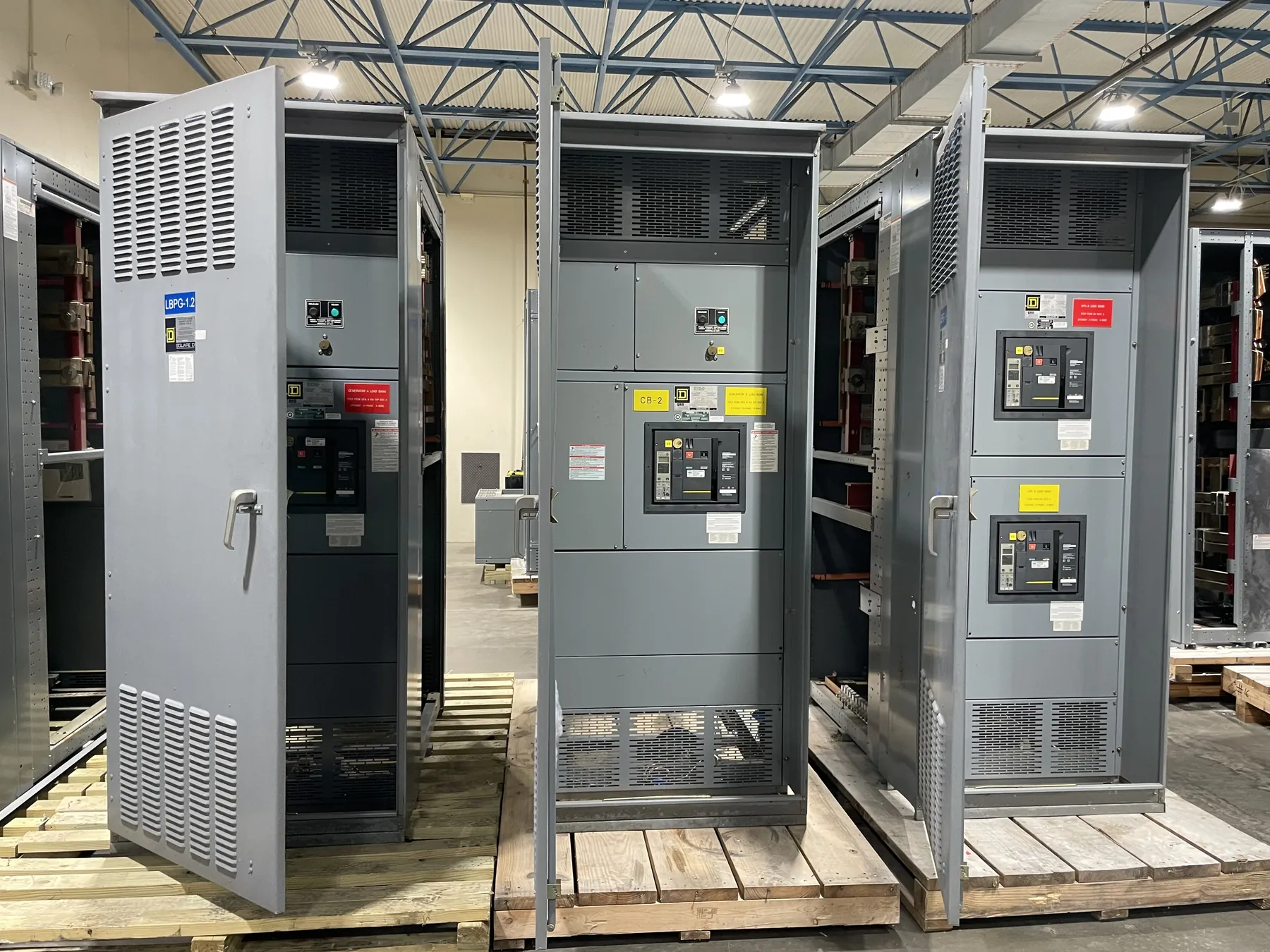
Choosing an Indoor or Outdoor Switchgear Location
Whether switchgear belongs indoors or outdoors depends on the equipment design and the conditions at the installation site—not simply on whether a building is available. Indoor placement can limit direct exposure to rain, sunlight, windblown dust, and temperature swings, but the room still needs suitable environmental control, access, and working space. Outdoor placement can avoid dedicating valuable interior floor area, yet it requires an enclosure and installation arrangement appropriate to the actual weather, site conditions, and maintenance needs.
Begin with the equipment’s function, electrical characteristics, and the facility layout. A switchboard serving an interior electrical room has different location constraints from equipment positioned near an outdoor service entrance or process area. Qualified electrical engineers should review the application and site before selecting a configuration. The decision also affects foundations or supporting surfaces, cable entry, routing, clearances, and coordination with upstream and downstream equipment.
Assessing Indoor Room Conditions and Access
An indoor electrical room should be evaluated for more than its roof and walls. Consider ambient temperature, humidity, condensation risk, dust, corrosive substances, water from plumbing or nearby processes, and the possibility of flooding. A nominally dry room can still expose equipment to leaks, washdown, airborne contaminants, or heat from adjacent machinery. The room’s ventilation or cooling arrangement must also be considered in relation to equipment heat and the conditions expected during normal operation.
Access matters throughout the equipment’s service life. The route into the room should accommodate delivery and installation, while doors, corridors, and nearby structures should not obstruct access to sections that may require inspection or service. The layout needs the working space and clearances required by the applicable design and installation requirements. These conditions should be checked against the actual equipment configuration; a room that fits the switchgear footprint may not provide adequate access or maintenance space.
Evaluating Outdoor Exposure and Enclosure Ratings
Outdoor equipment needs an enclosure selected for its exposure and intended installation—not an assumption that any enclosure is waterproof. Rain, snow, windblown debris, direct sun, dust, salt or industrial contaminants, and temperature variation can affect enclosure selection and equipment arrangements. A suitable rating must be established for the specific product and site conditions. The rating describes defined enclosure protection characteristics; it does not by itself establish suitability for every environmental condition or eliminate the need for correct installation and maintenance.
Outdoor placement also introduces practical details such as the supporting pad or structure, drainage around the installation, cable entry points, and access for inspection and service. Direct sunlight and limited airflow may influence internal temperature. Protective roofs, shields, heaters, or other environmental provisions should not be assumed to be included or necessary; their suitability depends on the equipment design and engineering review. Confirm proposed features and ratings for the specific assembly.
Comparing Ventilation, Temperature, and Maintenance Space
Indoor and outdoor locations both require attention to heat removal. An enclosed room can trap heat if ventilation or cooling is insufficient, while an outdoor enclosure can experience solar heating or restricted airflow near walls and other equipment. The design team should consider expected ambient conditions, equipment losses, enclosure arrangement, and any room environmental controls together. Ventilation openings or cooling features must be compatible with the required enclosure protection and the site’s dust, moisture, or contaminant exposure.
Maintenance access should be planned as part of the layout rather than added after equipment is placed. Allow for the equipment’s specified clearances, door or panel movement, cable space, and access to components that require inspection. Outdoor installations may need a clear service approach despite fencing, landscaping, vehicle routes, or changing site use. Indoor installations may be constrained by other electrical equipment, storage, pipes, or room entrances. Final clearances and access requirements depend on the equipment and applicable project requirements.
Coordinating the Location With the Electrical System
Location affects more than environmental protection. The equipment must coordinate with incoming and outgoing conductors, upstream protective devices, downstream loads, grounding arrangements, and the facility’s electrical design. Cable routing and entry direction can influence the enclosure layout and the available installation space. For a new installation or replacement, the project team should review system voltage, required ratings, configuration, and any applicable listing requirements. Ratings are not the same as system voltage, and neither should be inferred from the proposed location.
UL 891 applies to applicable low-voltage switchboards; it should not be treated as a blanket standard for all switchgear or for medium- or high-voltage equipment. Whether a listing or particular construction is applicable must be confirmed for the product and project. Engineers must also determine how site conditions, governing requirements, and equipment interfaces affect the design. An outdoor enclosure does not resolve electrical design questions, and an indoor room does not establish that the equipment is suitable for its environment.
Information to Provide When Requesting a Switchgear Quote
For a useful quotation, describe the intended indoor or outdoor location and provide available site information: expected environmental exposure, room or pad dimensions, access route, cable entry preferences, and nearby obstructions. Include the electrical one-line diagram or other project documentation available, along with system voltage, required equipment ratings, configuration, and the intended role of the assembly. Identify relevant coordination needs, such as interfaces with transformers, generators, utility service equipment, or downstream distribution. These details help the manufacturer and project engineers evaluate a suitable design; final ratings, listings, and installation arrangements require confirmation.
Our company manufactures new custom switchgear and power-distribution equipment in the United States using all-American components, and can ship nationwide, including to Nevada. Sharing the project’s location conditions and engineering documents early helps clarify whether an indoor or outdoor configuration is appropriate and what design details need resolution before an order is finalized.