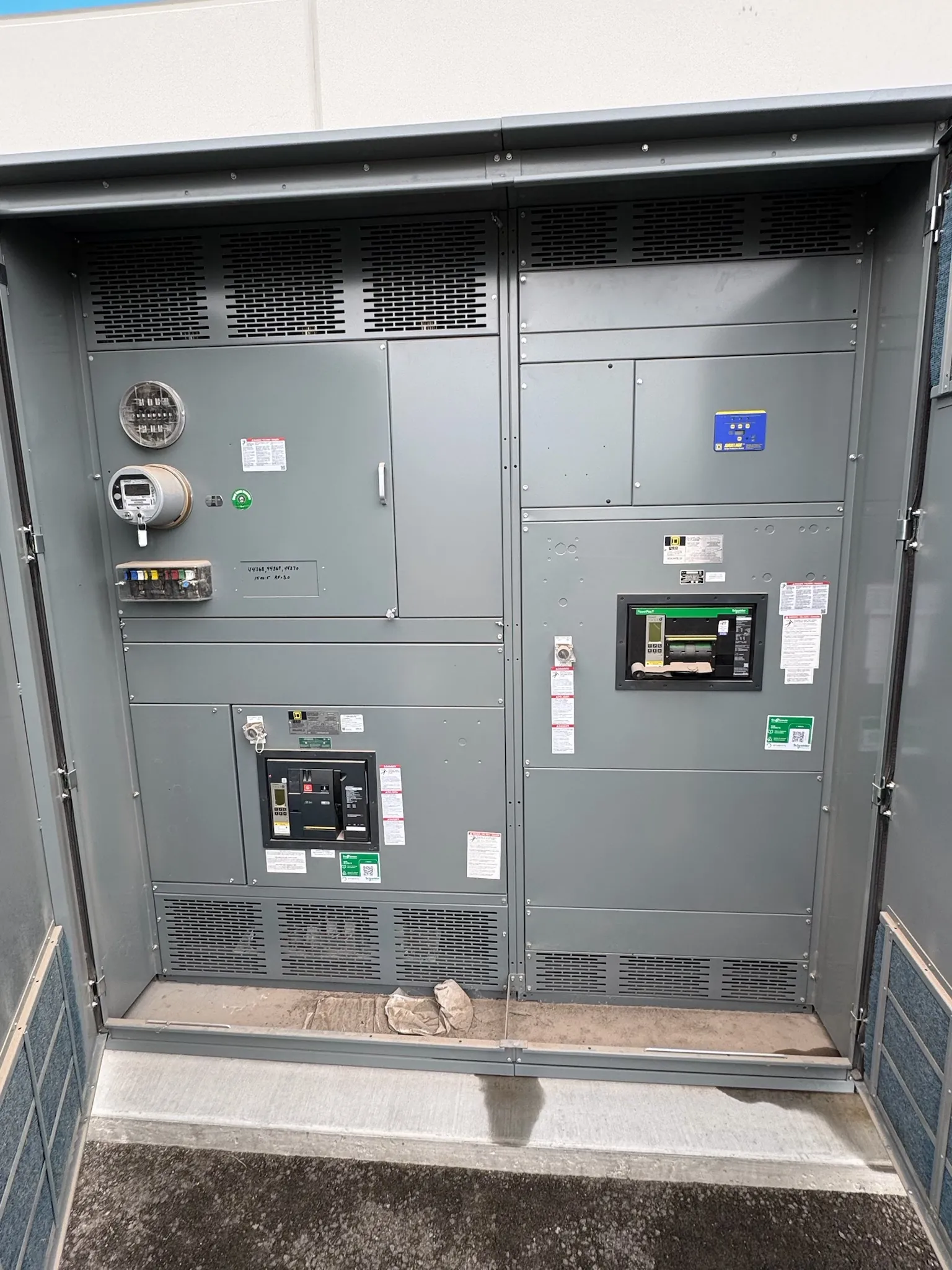
Who Installs and Commissions Switchgear on a Project?
For a Nevada facility, installing and commissioning switchgear are project responsibilities—not automatic parts of an equipment order. The equipment manufacturer builds the specified assembly and provides the agreed submittal and product information. A qualified electrical contractor generally handles field installation, while the project engineer, utility, and authority having jurisdiction (AHJ) have separate review or coordination roles. The contract documents should state who performs each task, who supplies labor and materials, and who verifies that the completed installation is ready for its intended use.
“Commissioning” can mean different things to different project teams. It may refer to documented inspections and checks before energization, functional verification of specified controls, or a broader process managed by the owner or commissioning provider. Confirm the intended scope in writing. An equipment supplier should not be presumed to provide field installation, make site-specific engineering decisions, or authorize energization unless those services are expressly offered and assigned.
What the Switchgear Manufacturer Provides
A manufacturer of new custom switchgear or power-distribution equipment typically works from the project requirements to develop and build the ordered assembly. Depending on the purchase scope, submittals may identify arrangement, component selections, ratings, dimensions, connection points, and other details needed for review and coordination. Final scope varies by product and contract; ask what drawings, instructions, and documentation are included with the quotation and order.
Submittal review is an important handoff, not a substitute for field design. The project engineer should check that the proposed equipment aligns with the electrical drawings and system requirements. The installing contractor should compare the approved information with actual site conditions before construction progresses. Changes to conductor entry, room layout, equipment location, or connected systems should be resolved through the project’s documented change process rather than assumed to be covered by the original equipment design.
The Qualified Installer’s Field Responsibilities
The electrical contractor is typically responsible for receiving and handling the equipment under the project plan, preparing the installation location, setting and securing the assembly, and making the specified field connections. The contractor also coordinates labor, access, lifting arrangements, installation materials, and any work that must be completed by other trades. Who provides items such as cables, lugs, grounding connections, supports, or interconnecting conductors depends on the drawings and contract.
Field conditions matter. Before installation, the team should reconcile equipment dimensions and access requirements with the electrical room, foundation or housekeeping pad, door openings, cable routes, ventilation, and nearby piping or building systems. Nevada projects may have site-specific constraints such as remote access, hot or dusty environments, tight equipment rooms, or limited delivery windows; these should be identified by the project team rather than assumed from the state alone. The contractor should raise discrepancies before they become installation changes.
Engineering, Utility, and AHJ Coordination
The responsible electrical engineer develops or reviews the system design, including how the equipment fits the facility’s electrical distribution, protection, grounding, and operating requirements. The engineer also determines which project-specific calculations, settings, studies, or coordination documents are needed. Equipment ratings must be checked against the application: a rating is not the same thing as system voltage, and suitability cannot be concluded from a product description alone.
The utility may need to review service-related interfaces, metering arrangements, or other requirements within its scope. Its requirements are distinct from the manufacturer’s equipment design and the contractor’s installation work. The AHJ reviews work within its jurisdiction and applies the codes and approval process relevant to the project. Neither a utility review nor an equipment submittal should be treated as a blanket approval of every installation detail. Confirm the applicable requirements with the project engineer, utility, and AHJ early enough to incorporate them into the design and schedule.
What “Commissioning” Should Cover
Before ordering, define who will prepare the commissioning plan, perform inspections and tests, record results, resolve deficiencies, and accept the completed work. The plan should identify the boundaries between factory documentation and field verification, along with the required participants and records. Testing scope depends on the equipment, project specifications, and applicable requirements; do not assume that a particular test, setting, or acceptance criterion is included unless it is clearly assigned.
Commissioning also depends on coordination with connected equipment and control systems. Identify who provides and verifies interface wiring, communications, interlocks, metering signals, and any required control logic. The engineer and commissioning lead should establish the project’s readiness and acceptance criteria. Energization decisions belong to the responsible project parties under applicable requirements; they should not be inferred from shipment, installation completion, or a manufacturer’s standard documents.
Clarify Responsibilities Before Requesting a Quote
A useful quotation request gives the manufacturer enough information to define the equipment scope without implying that the supplier will perform unassigned field work. Include the one-line diagram, equipment schedule, required ratings, enclosure and arrangement details, connection preferences, site constraints, applicable specifications, and requested submittal documents. Identify the review parties and note any utility or AHJ requirements already known. Ratings, listings, and project details require confirmation against the actual design; UL 891 applies to applicable low-voltage switchboards and should not be generalized to every type of switchgear.
Ask the manufacturer to state what is included and excluded, then align that scope with the contractor’s installation bid and the engineer’s commissioning documents. A U.S. manufacturer using all-American components and building in the United States may ship new custom equipment nationwide, including to Nevada; shipping does not make the manufacturer the site installer or commissioning authority. Clear responsibility assignments help the owner, engineer, contractor, utility, AHJ, and equipment supplier coordinate their distinct roles from submittal through acceptance.