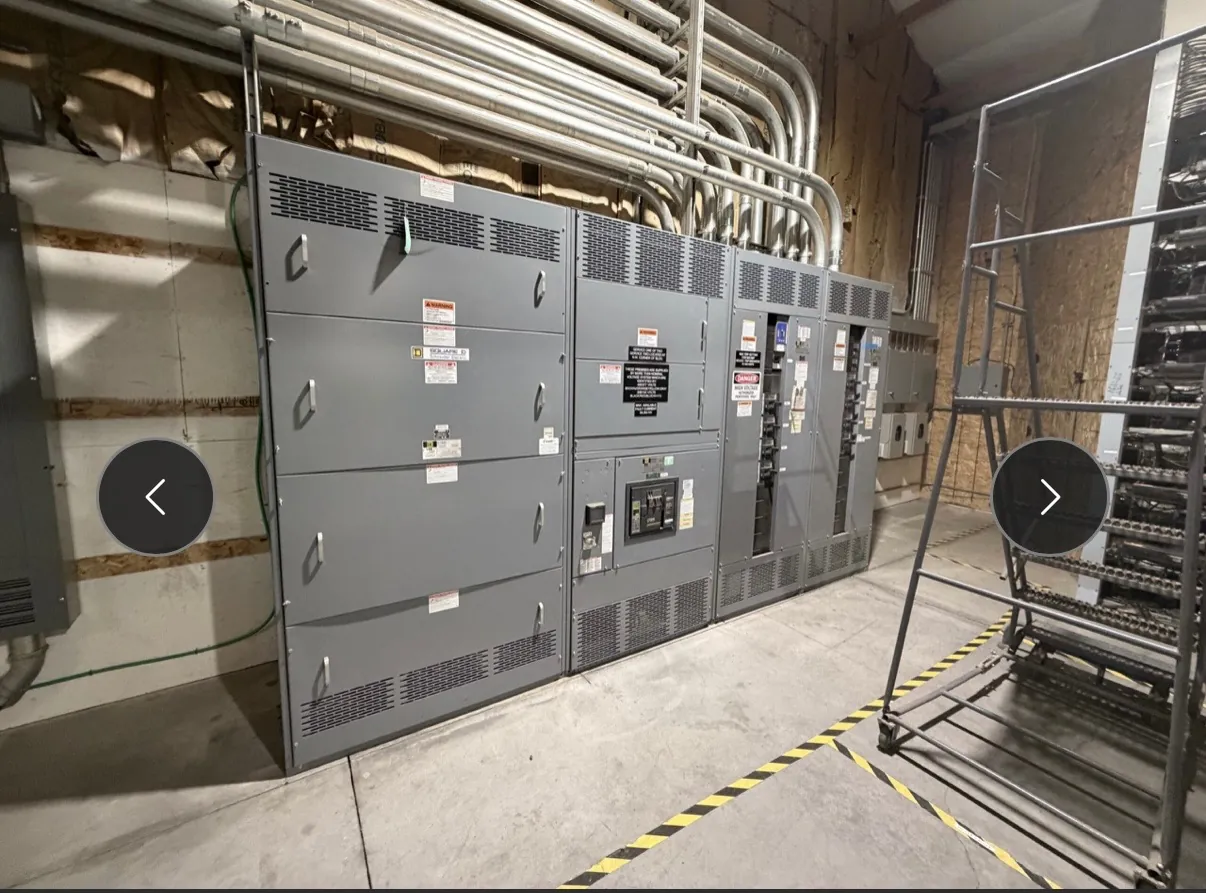
What Sets a Custom Switchgear Lead Time?
For facilities teams, contractors, consultants and procurement managers planning a Nevada project, switchgear lead time is the time needed to move a defined design from quotation and engineering through manufacture, testing and shipment. It is not a fixed interval that can be responsibly stated before the equipment scope and project requirements are reviewed. A schedule depends on how complete the information is, what the assembly must do, which components are specified and how its delivery fits the site’s construction sequence.
Custom switchgear is manufactured to an application, not selected solely by a catalog description. Changes to the one-line diagram, ratings, enclosure arrangement or control requirements can affect design work, component selection and fabrication. A useful schedule discussion therefore starts with the actual project documents and distinguishes confirmed requirements from items still under review.
Engineering Approvals and a Stable Design
Engineering review and approval are often central schedule variables. The manufacturer needs enough information to develop and confirm the equipment configuration, while the project team must review drawings and resolve comments. Open questions about feeder quantities, breaker types, metering, protection, control interfaces, cable entry or physical layout can prevent the design from being released for production.
Timely approvals help keep work moving, but they should not be rushed at the expense of coordination. The switchgear must align with the project’s electrical design and connected equipment. Changes after approval—such as a revised one-line diagram, changed fault-current information or an updated room layout—may require additional engineering and could affect material orders or fabrication. The project engineer and other qualified professionals should confirm system design, ratings and site requirements; those decisions cannot be inferred from a general lead-time estimate.
Component Availability and Specification Choices
Availability of breakers, meters, protective devices, control components and other specified parts can influence the production schedule. Timing can vary with the exact model, rating, configuration and manufacturer of a component, as well as current supply conditions. A preferred part may have a different procurement path from an approved alternative, and a substitution should not be made without the appropriate engineering and customer review.
Project documents should identify required components and any acceptable alternatives early. Where a specification names a particular device or interface, the team should clarify whether it is mandatory or whether an engineered equivalent may be considered. This helps avoid quoting around an assumption that later proves unacceptable. A component’s availability is not a substitute for verifying that it is suitable for the application.
Fabrication Depends on the Equipment Scope
Once the design and material requirements are established, fabrication work depends on the assembly’s construction and configuration. The number and arrangement of sections, enclosure details, bus arrangement, incoming and outgoing connections, and control wiring all contribute to the work involved. Space constraints, cable approach and access requirements can also affect how the equipment is laid out and built.
Ratings must be stated and reviewed in context. A voltage designation describes the system, while equipment ratings address specific capabilities; the terms are related but not interchangeable. For low-voltage switchboards, UL 891 may apply when relevant to the product and project, but it should not be treated as a standard covering every type of switchgear. Applicable ratings, listings and design details require confirmation for the specific assembly and installation.
Testing, Documentation and Release Coordination
Testing and documentation take time within the manufacturing process and should be included in the project schedule. The required checks, records and customer review points depend on the equipment specification and agreed scope. If witness points, submittal requirements or documentation formats apply, identify them during quotation and engineering coordination rather than adding them late in production.
Before the assembly can be released for shipment, the team may also need to close outstanding drawing comments, confirm shipping details and coordinate any required review. Clear responsibility for approvals—among the manufacturer, electrical engineer, contractor and owner—reduces avoidable delays. Testing does not replace site-specific engineering review or establish that an installation is suitable without considering the full project.
Freight and Nevada Site Readiness
Shipping is a separate schedule variable from manufacturing. Transit planning depends on the shipment’s destination, equipment dimensions and weight, carrier arrangements, access constraints and requested delivery coordination. Nationwide shipping from a U.S. manufacturer can serve Nevada projects, but a shipment date should not be confused with arrival, offloading or readiness for installation.
Before requesting a delivery window, confirm the site address, receiving hours, unloading plan, access route and available storage or staging area. Construction schedules, restricted access, remote locations or limited receiving capacity may require additional coordination. The project team should also confirm that the electrical room and installation interfaces will be ready when the equipment arrives.
Information That Makes a Schedule Estimate Useful
For a meaningful quotation and schedule discussion, provide the current one-line diagram, equipment specifications, required ratings, preferred component details, enclosure and connection requirements, project location and target milestones. Include known approval steps, documentation needs and delivery constraints. If any information is preliminary, label it clearly so the estimate can identify assumptions rather than treating them as settled design decisions.
Our assemblies use all-American components and are built in the USA. We support short lead times and ship nationwide, but an actual schedule depends on the confirmed scope, engineering approvals, component availability, fabrication, testing and freight coordination. Request a project-specific review, and keep the estimate aligned with the latest approved documents as the project develops.