Finding Switchgear Suppliers Near You in Nevada
A supplier does not need to operate a Nevada facility to serve a Nevada project. A U.S. manufacturer can engineer and build new custom switchgear or power-distribution equipment, then ship it to the customer’s site. The practical question is whether the supplier can address the project’s electrical requirements, interfaces, documentation, shipping plan and schedule—not simply how close its address appears on a map. Confirm where design and manufacturing take place, what equipment the company manufactures itself, and which project details must be reviewed before it can quote.
For Nevada customers, site location still matters. The delivery route, receiving access, unloading arrangements and distance from the final installation point can affect logistics. Conditions at a facility—such as indoor or outdoor placement, available access and environmental exposure—may also influence equipment configuration. These details need to be established for the specific site; a supplier serving the state should not be assumed to have local stock, a local office or a nearby service team.
Compare Manufacturers by the Equipment They Build
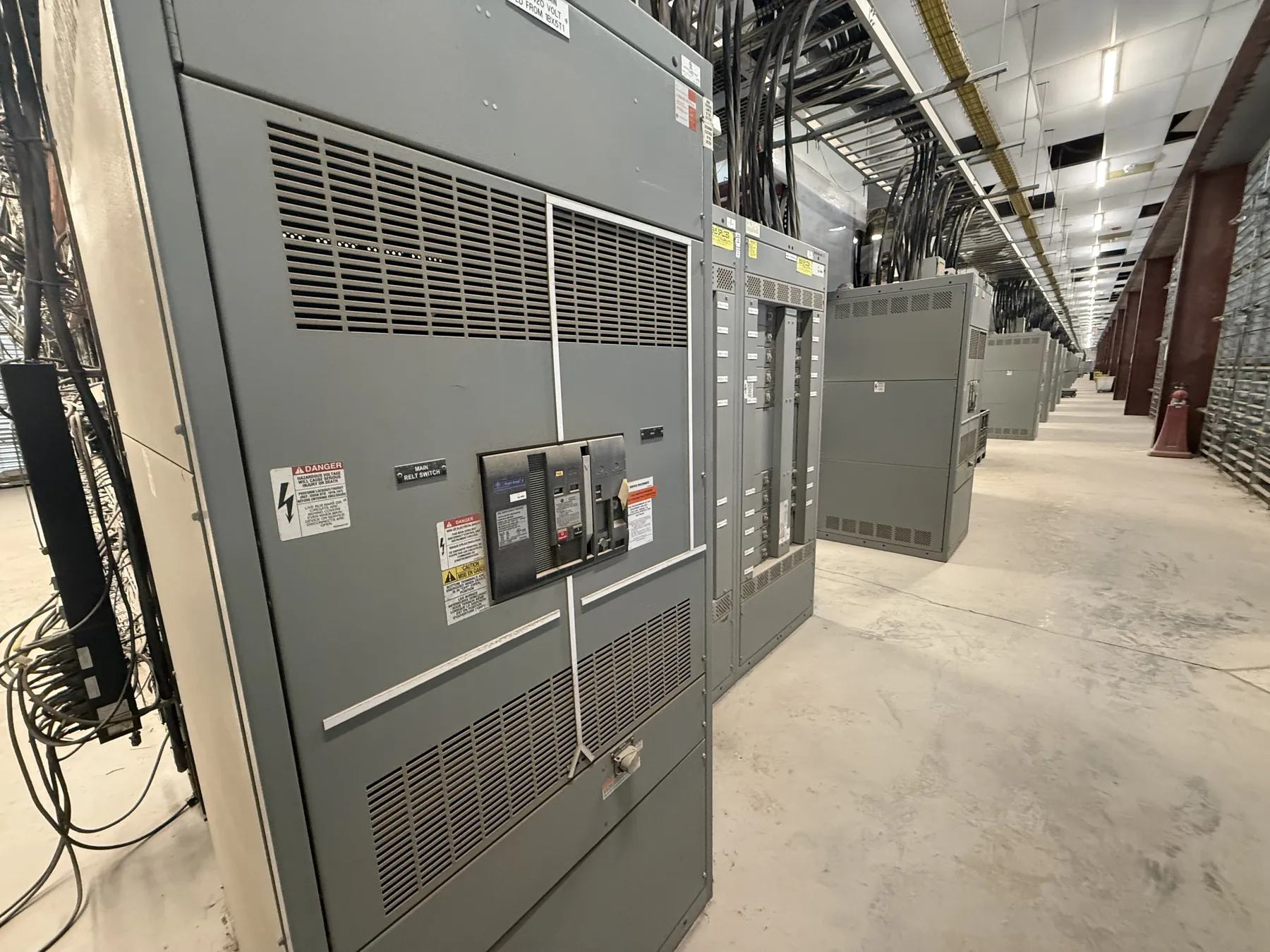
“Switchgear” can refer to different assemblies and voltage classes, so compare suppliers on the equipment that matches the application. A low-voltage switchboard, a switchgear lineup and a medium-voltage assembly are not interchangeable terms or automatically governed by the same standards. Ask the manufacturer to identify the proposed equipment type and applicable construction standard. UL 891 applies to relevant low-voltage switchboards; it should not be treated as a blanket standard for every switchgear product or voltage class.
Also clarify whether the scope includes only the assembly or related distribution equipment and project-specific features. A manufacturer of new custom equipment should be able to discuss the design inputs it needs, the options it can evaluate and the limits of its quoted scope. Verify applicable listings and ratings for the exact proposed assembly rather than relying on a general statement about a product family.
Prepare the Information That Shapes a Quote
A useful quotation starts with project documents, not just an equipment name. Share the one-line diagram, available load and feeder information, system voltage, fault-current information when established, and the intended connection points. Identify whether the equipment is for a new installation, a replacement or an expansion, and describe the existing gear or other systems it must interface with. If some details are not yet settled, mark them as open items instead of presenting assumptions as confirmed requirements.
Pricing depends on more than overall dimensions. The lineup configuration, main and branch devices, metering and control requirements, enclosure and environmental needs, construction details, documentation scope and interface work can all affect the proposal. The manufacturer may need clarification from the project’s qualified electrical engineer before determining a suitable design. Ratings, system voltage and available fault current are distinct considerations; one does not establish the others.
Check Interfaces and Project Coordination Early
Custom equipment must fit the electrical and physical context around it. Confirm incoming and outgoing conductor arrangements, connection locations, access and working-space requirements, and how the assembly relates to transformers, generators, downstream distribution and building systems. Replacement projects deserve special attention: existing equipment dimensions and connections may constrain the design, and the available drawings may not reflect current field conditions. Site review and engineering coordination can reveal questions that a basic catalog description will not answer.
Coordinate responsibility for controls, metering, protective-device information, labels, drawings and any integration with other equipment. Ask what submittals the manufacturer provides and when engineering information is needed to keep the review moving. Protection, arc-flash considerations, code compliance and final equipment selection require qualified engineering and project-specific review; a supplier’s preliminary quote is not a substitute for that work.
Evaluate Lead Time, Shipping and Receiving
For a made-to-order assembly, schedule depends on the agreed design, engineering review, component selection and production sequence. The manufacturer reports support for short lead times and nationwide shipping, but an exact schedule must be confirmed for the actual configuration and current project requirements. Ask when the lead-time estimate begins, what approvals or information it assumes, and how revisions could affect the planned shipment. Get the expected shipping scope and delivery assumptions in writing.
Before ordering, confirm the site can receive the shipment: check access, unloading resources, staging space, delivery-hour restrictions and any building or contractor coordination. Nevada locations vary in their routes and site conditions, so do not assume the final-mile plan from the state name alone. Align delivery timing with the installation team and the site’s readiness rather than treating shipment as proof that the equipment can immediately be placed or commissioned.
Make a Comparable, Well-Defined Purchase
When comparing proposals, look beyond the bottom-line price. Match the quoted equipment type, ratings, configuration, included devices, documentation, shipping scope and schedule assumptions. Record exclusions and unresolved design questions, and ask how changes will be handled after the proposal is reviewed. Confirm which ratings, listings and project details remain subject to engineering or manufacturer confirmation.
A U.S. manufacturer using all-American components and building equipment in the United States may be a relevant option for Nevada projects that value domestic manufacturing and nationwide shipment. Those attributes do not replace technical fit or site coordination. A sound purchasing decision rests on a clearly defined scope, reviewed interfaces, a realistic logistics plan and confirmation that the proposed new equipment is appropriate for the project.