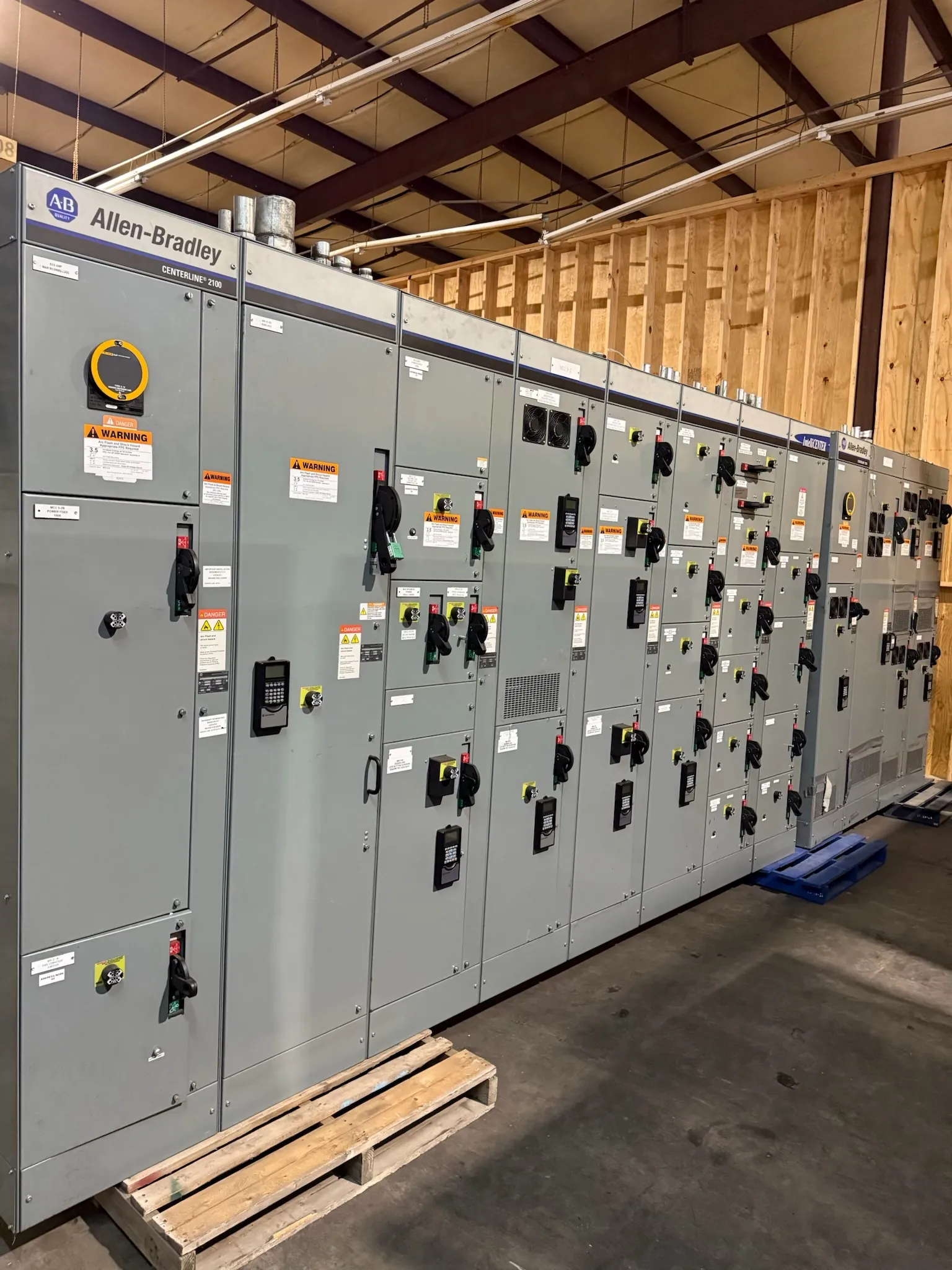
Define the Project Before Requesting Prices
Purchasing new switchgear for a Nevada facility starts with the electrical system and the work it must support. Identify whether the project needs a low-voltage switchboard, switchgear or another distribution assembly, and describe the service, feeders and control functions. A U.S. manufacturer can prepare a more useful proposal when the request distinguishes the required equipment from installation and other field work.
Provide an anticipated delivery location and project schedule, along with the planned installation environment. If the design is still developing, identify the open questions and the decision dates that matter. A preliminary estimate and a quotation based on an approved specification are not the same; ask what assumptions are being made at each stage.
Assemble Electrical and Site Requirements
The starting package should include a current one-line diagram, nominal voltage and phase configuration, source arrangement, main and feeder currents, and available short-circuit current. Describe the number and purpose of outgoing circuits, metering, protection and control interfaces. For service equipment, confirm the utility's metering and connection requirements with the responsible parties before the main section is finalized.
Also show the equipment room or outdoor location, cable entry, available working space, environmental conditions and any limits on shipping dimensions. Identify future load or spare feeder expectations separately from current needs. A qualified electrical engineer should develop or verify the design basis and confirm the applicable codes and equipment standards.
Compare Proposals on the Same Basis
Two quotations can differ because they include different devices, construction, documentation or services. Compare voltage, continuous-current and fault-duty ratings, enclosure features, source and feeder arrangements, protective functions, and the stated inspection and test scope. Ask whether drawings, packaging, freight and project-specific documentation are included. Record exceptions in a shared comparison so that a lower initial price is not mistaken for an equivalent scope.
Clarify the manufacturer's role in engineering, assembly and support, and the responsibilities retained by the project designer and installer. If domestic content or all-American components are required, define the requirement and request supporting origin information for the offered equipment. Do not infer a listing or certification from the name of a standard; obtain the documentation applicable to the actual assembly.
Resolve the Quote Before Ordering
Review commercial terms alongside the technical scope: payment milestones, quotation validity, change procedures, warranty provisions, freight assumptions and the proposed schedule. Ask which information is needed to firm up the offer and which items could affect price or delivery. Avoid treating an estimated schedule as a confirmed shipment commitment until the terms and dependencies are documented.
The order should identify the accepted configuration and reference the drawings and specifications on which it is based. Set a process for handling changes to source data, feeder quantities or room dimensions after the order. Assign a person to coordinate technical questions and communicate revisions so the manufacturer and design team work from the same information.
Review Drawings and Plan Delivery
Submittals should show equipment dimensions, bus and device ratings, cable terminations, mounting and grounding provisions, control interfaces and any required documentation. The engineer of record should review the design against the project requirements, while the installer checks practical access and field connections. Resolve exceptions and obtain required utility or authority review before releasing the configuration for fabrication.
Plan receiving in parallel with the technical review. Establish shipping sections, weights and dimensions, unloading equipment, road and site access, storage conditions and the party responsible for each step. A lineup that fits the final room still has to pass through the delivery route. Notify the manufacturer of any access limitations before shipment arrangements are finalized.
Coordinate Installation and Commissioning
At delivery, the receiving party should inspect for visible shipping damage and follow the agreed reporting procedure. Qualified installers handle placement, anchorage and field wiring in accordance with the approved documents and applicable requirements. Factory inspection or testing does not replace site-specific installation checks, and the scope of any field service should be stated rather than assumed.
Before energization, assign responsibility for protective settings, field tests, utility coordination and approval by the appropriate parties. Retain the final drawings, equipment instructions, test records and settings for operations and maintenance. A clear handoff gives the Nevada project team a practical path from a new-equipment order to an installation ready for qualified review.