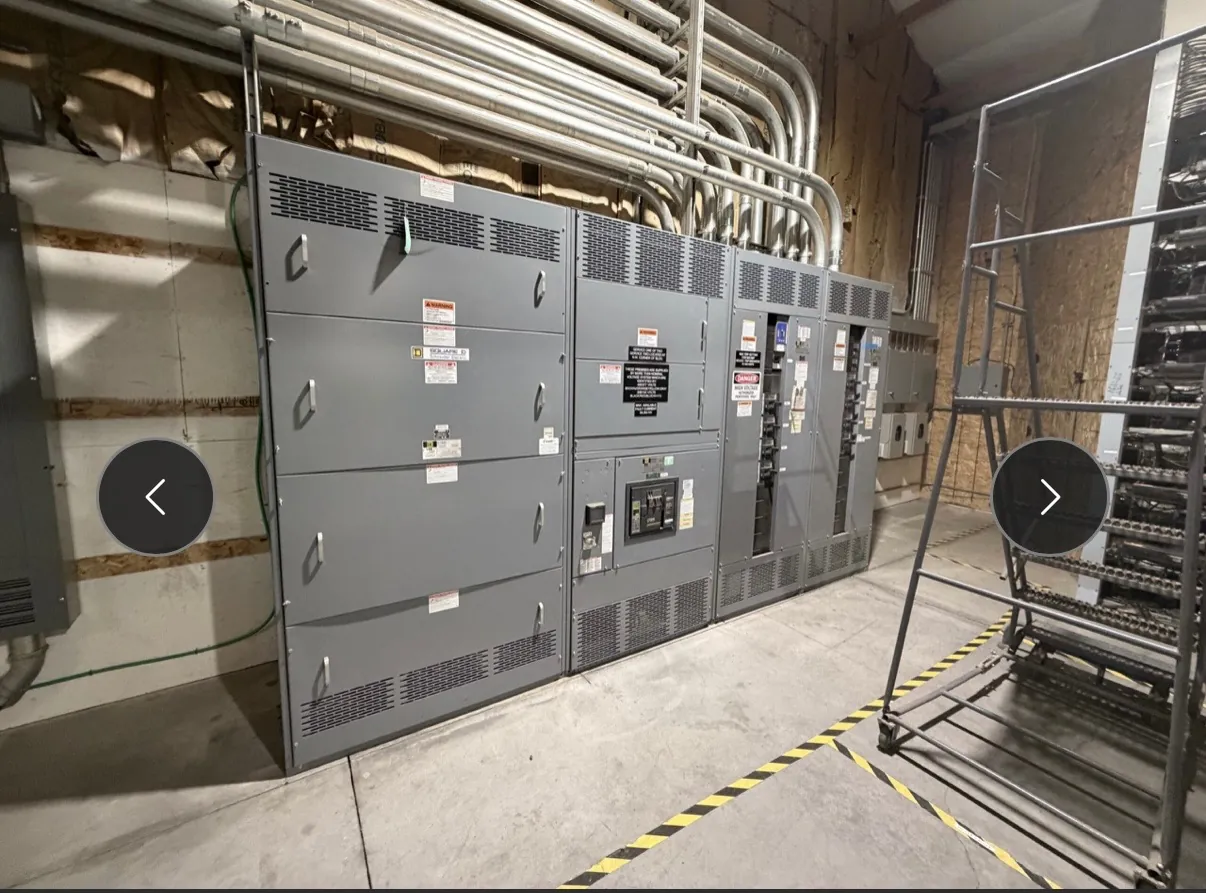
Buying New Electrical Switchgear for a Nevada Facility
Purchasing switchgear for a Nevada project starts with defining what the equipment must do in the electrical system—not with choosing a catalog description. A manufacturer can build new, custom power-distribution equipment to project requirements, but the design depends on the facility’s supply, distribution arrangement, loads, and installation conditions. Early coordination among the owner, electrical engineer, contractor, and equipment manufacturer helps clarify scope before pricing and production details are set.
For Nevada facilities, consider the actual site and delivery context: indoor or outdoor placement, available access for receiving and moving sections, environmental exposure, and the planned installation sequence. These conditions may affect enclosure selection, construction, shipping configuration, and coordination with the building layout. Shipping can be arranged to Nevada from a U.S. manufacturer; delivery planning should account for the destination, receiving capabilities, and project schedule.
Gather Electrical Requirements Before Requesting a Quote
A useful quote request includes the one-line diagram and the project’s electrical specifications, along with the intended application and equipment scope. Identify the system voltage separately from equipment ratings: a rating is not, by itself, confirmation that an assembly is suitable for a particular system. The engineer of record should establish applicable system parameters and confirm the proposed equipment against the project design.
Include the available fault-current information and required short-circuit ratings, where established by the project team. Also describe the main and feeder arrangement, incoming source configuration, and any transfer or tie functions. Breaker type, frame and trip requirements, metering, protective functions, control power, and communications interfaces can all affect design and price. If these details are still being developed, identify them as open items rather than assuming a standard arrangement.
Choose Equipment by Function, Rating, and Installation Conditions
Switchboards and other switchgear assemblies serve different applications; the product description should match the equipment’s intended role and applicable standards. UL 891 applies to applicable low-voltage switchboards, not automatically to every switchgear product or to medium- or high-voltage equipment. Confirm the requested product category, construction, and any required listing with the manufacturer and project engineer. Do not treat a standard reference as proof that a particular assembly is listed or suitable.
Discuss bus arrangement and material, section layout, cable or busway connections, metering provisions, and future space needs as part of the design review. Physical dimensions and access clearances must work with the electrical room, doorways, cable routes, and installation plan. Ratings, listings, and project-specific details require confirmation for the exact design. Qualified engineering review and site information are essential where system conditions or interfaces are not fully defined.
Review Interfaces and Coordinate the Project Team
Switchgear is one part of a connected electrical installation. Confirm how incoming conductors or busway will terminate, how outgoing feeders connect to downstream equipment, and whether control, monitoring, or communication signals must interface with other systems. Document responsibility for external devices, field wiring, and any components supplied by others. Clear boundaries reduce the risk of gaps between the equipment package and the contractor’s installation scope.
Coordinate the equipment drawings with room plans, structural support, utility or service-provider requirements, and the construction schedule. Where a project has specific utility requirements, provide the applicable documents for review; approval cannot be assumed from a general equipment description. Nevada site conditions and access constraints should be communicated early so that shipping and receiving can be considered alongside the electrical design.
Understand What Shapes the Quotation and Submittal
Pricing depends on the configured assembly, ratings, breaker and protective-device selections, enclosure and construction requirements, metering and controls, connection details, and the completeness of the engineering package. Requested documentation, project-specific options, and coordination needs can also affect the scope. A quote based on preliminary information may need revision when ratings, interfaces, or drawings change. To support an accurate proposal, provide a clear specification, current drawings, preferred schedule, delivery destination, and a contact for technical questions.
Before releasing an order, review the proposal and submittal documents against the project requirements. Check the one-line correspondence, device schedule, section arrangement, connections, ratings, control details, and identified exclusions. Resolve deviations and open questions with the responsible engineer and manufacturer. Approval of submittals should reflect the project’s design authority; it is not a substitute for confirming site conditions or system suitability.
Place the Order and Plan Delivery to Nevada
After scope, commercial terms, and submittals are aligned, the customer can place an order for newly manufactured equipment. The manufacturer builds assemblies in the United States using all-American components and serves customers nationwide. Lead time is project-dependent, so confirm the current schedule for the selected configuration rather than relying on a general estimate. Changes after order release can require renewed engineering and schedule review.
Before shipment, coordinate the delivery destination, receiving hours, unloading arrangements, site access, and storage conditions with the contractor or facility team. Confirm who will inspect the shipment on arrival and how any delivery concerns will be documented. A complete procurement package—requirements, reviewed submittals, agreed scope, and practical delivery planning—helps the equipment arrive ready for the next stage of the project.