What a Custom Switchgear Quote Needs to Define
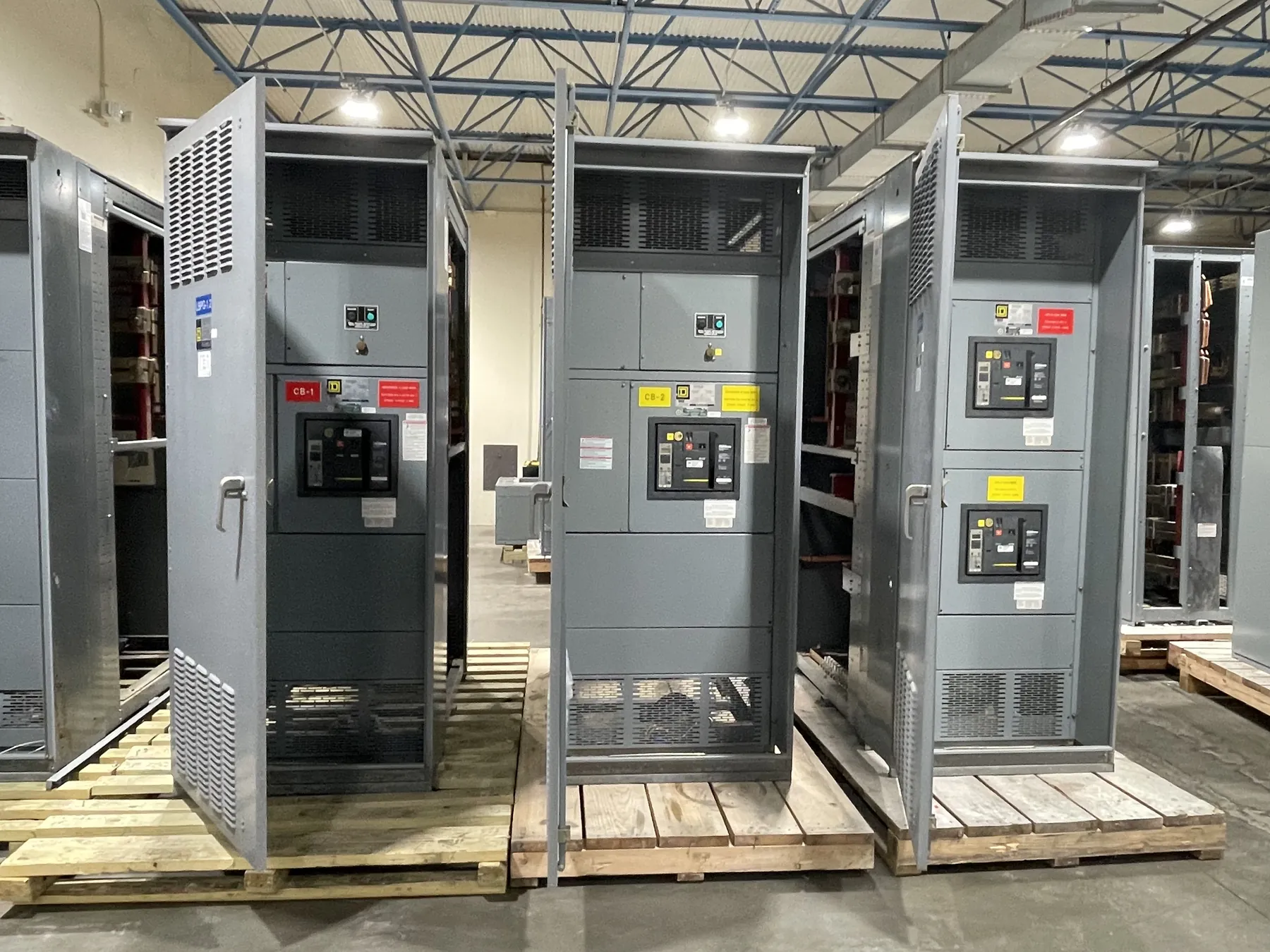
A useful quote for custom switchgear starts with the job the equipment must perform, not a product name alone. Source arrangement, enclosure dimensions, bus ratings, feeder count and controls all affect the design and the scope of supply. For a new installation or replacement, provide the project documents available and identify which requirements are fixed, which are preferences, and which still need engineering review. That distinction helps keep the proposal aligned with the intended application without treating unconfirmed details as settled.
We manufacture new custom switchgear and power-distribution equipment in the United States, using all-American components, and ship nationwide, including to Nevada. A quote is based on the requested new-build configuration and project information. Pricing, schedule and design cannot be established accurately from a general description alone; they depend on the equipment scope, confirmed ratings, interfaces, documentation and review requirements.
Source Arrangement and Upstream Interfaces
Describe how power reaches the assembly. Relevant details may include the number of sources, whether the arrangement includes a normal and alternate source, the intended transfer method, and where the utility or upstream equipment connection ends. If a generator, transformer, or other source is involved, identify its role and provide available one-line diagrams and interface information. Do not assume that equipment can be connected or coordinated based only on nominal voltage.
Source characteristics and project protection requirements can influence switching devices, compartment layout, control wiring and coordination with upstream equipment. Where source data, available fault information or protection settings are not yet confirmed, identify them as open items. A qualified engineer must review the system and applicable project requirements before the final design and ratings are established.
Enclosure Dimensions, Access and Facility Conditions
Provide the available equipment footprint, allowable height and depth, and any limits on shipping or installation access. Note whether the assembly will be indoors or outdoors, and describe relevant environmental conditions, including exposure to moisture, dust, temperature variation or corrosive surroundings. These details can affect enclosure construction, arrangement and the space needed for cable entry, terminations, maintenance access and future expansion.
Dimensions are not just a matter of fitting equipment into a room. Cable bend space, incoming and outgoing connection locations, door clearance and the path from delivery point to final location may constrain the layout. Nevada projects can vary widely in facility conditions and site access, so provide actual site information rather than assuming a standard room or installation environment. Final dimensions and installation requirements should be coordinated with the project team.
Bus Ratings, System Voltage and Feeder Schedule
State the system voltage and the desired equipment ratings as separate items. A rating is not the same thing as system voltage, and a requested value should not be treated as approved until it has been checked against the application. Include available information for the main bus and distribution sections, as well as the feeder schedule: circuit count, device types, load descriptions, connection method and any known future spaces. A current one-line diagram and panel or feeder schedule can make this scope easier to evaluate.
The number and arrangement of feeders influence the physical lineup, bus distribution, device selection and termination space. Load characteristics and the project’s fault and protection requirements may also affect the design. UL 891 applies to applicable low-voltage switchboards; it should not be read as covering every type of switchgear or every assembly. Any requested listing, standard, rating or construction detail must be confirmed for the specific product and project.
Controls, Indication and Coordination
Explain what the controls need to accomplish and which signals must interface with other equipment. For example, identify requested source-status indication, transfer functions, alarms, remote monitoring points or interlocks, if applicable. Provide control schematics, sequence descriptions, signal lists or interface requirements when available. A brief narrative of expected operation can reveal conflicts or unanswered questions before the design is finalized.
Control requirements must be considered alongside the source arrangement and protection scheme. Interactions with generators, building controls, upstream devices or other systems may require coordination among the manufacturer, electrical engineer, installer and facility team. The quote can identify assumptions and items needing confirmation, but it cannot replace qualified engineering review of the complete system.
Documents That Help Refine the Proposal
For a more specific quotation, submit the latest available one-line diagram, equipment schedule, site dimensions, connection details, requested ratings and control requirements. Include project location, installation setting, delivery constraints and the expected decision or installation milestones if known. Mark preliminary documents clearly and note revisions, so everyone can distinguish current information from superseded concepts.
After reviewing the scope, the proposal can describe the equipment configuration, included interfaces, stated assumptions and open technical questions. Changes to feeder counts, enclosure limits, source details or control functions may require a revised design and quote. Because schedule depends on the confirmed scope and project requirements, any timing should be discussed and verified for the specific order rather than inferred from a general lead-time statement.