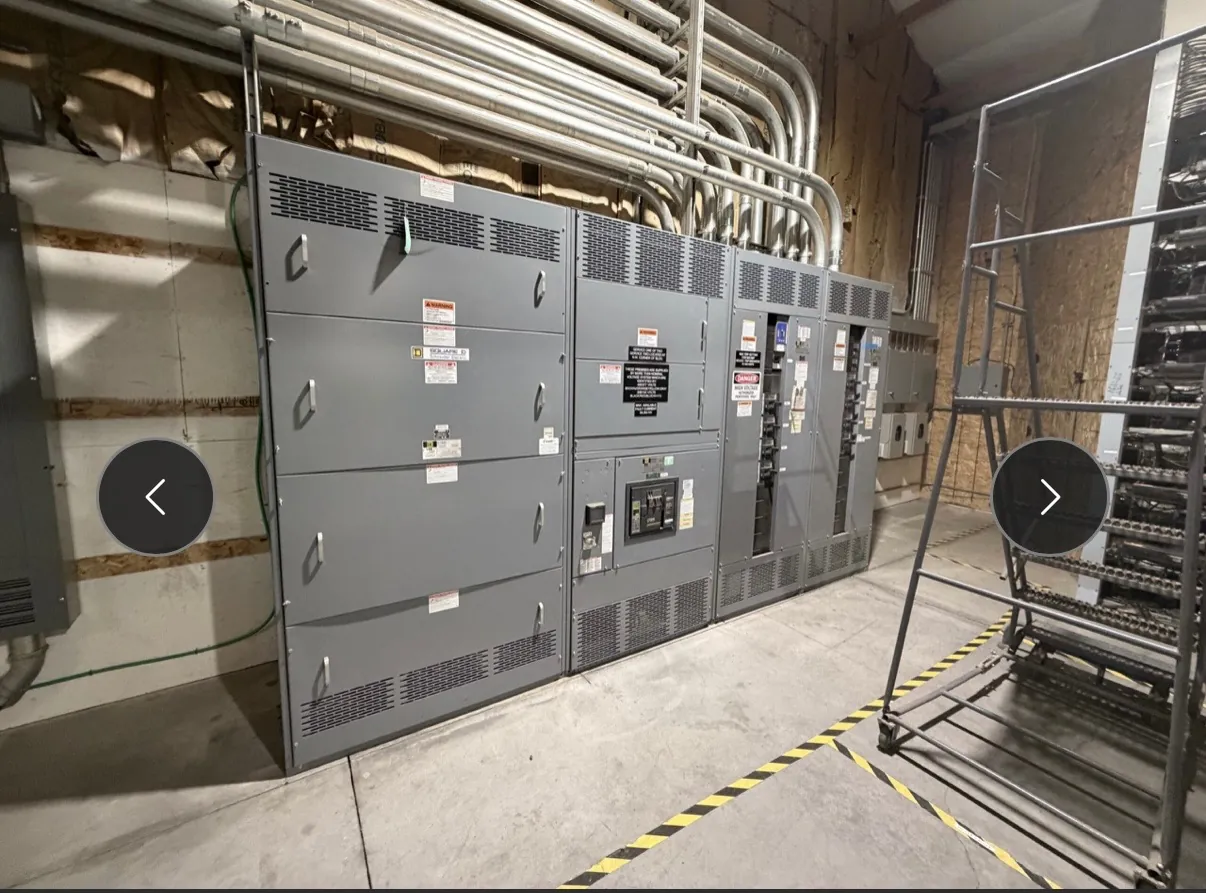
Request Project-Specific Switchgear Pricing
A useful switchgear quotation begins with the electrical requirements and the intended scope of supply, not a general equipment label alone. Custom assemblies are manufactured to suit project documents and site interfaces, so pricing depends on what the equipment must do, how it connects to the distribution system, and what the project expects the manufacturer to provide. Share the information currently available, including preliminary documents if final drawings are not yet complete. Identifying open items early helps separate confirmed requirements from assumptions that need engineering review.
Pricing is for new, manufactured equipment. The quotation process is not a substitute for a qualified electrical engineer’s design review or for confirming code, utility, and site requirements. If the project is still in design, say so; the expected level of design maturity affects what can be responsibly quoted.
Drawings and Documents That Clarify Scope
Include the latest one-line diagram and, when available, electrical plans, equipment schedules, specifications, and control or communication narratives. One-line diagrams help show the source, distribution arrangement, protective devices, and major loads. Plans and schedules can clarify equipment location, feeder routing, room constraints, and the relationship to adjacent systems. Mark revisions and note which documents govern if the package contains conflicting information.
Also identify the requested equipment boundary. A project may call for a switchboard or switchgear lineup, but the quotation can change depending on whether related distribution equipment, metering, controls, enclosures, or connection provisions are included. State what is furnished by others and identify interfaces that need coordination. If a specification names a particular construction or feature, cite the relevant section rather than relying on a broad description such as “standard switchgear.”
Ratings, System Conditions, and Configuration
Provide the system voltage and frequency, the equipment’s required current and interrupting or withstand ratings where specified, and the available fault-current information used by the project design. These are different parameters: an equipment rating should not be inferred from system voltage alone. The engineer of record must establish the applicable requirements for the installation, and the manufacturer should review the documents before confirming a proposed configuration or rating.
Describe the arrangement that the project expects, such as incoming and outgoing sections, number and type of feeders, main-device configuration, metering needs, and any specified transfer or control functions. Identify whether the equipment connects to a transformer, generator, utility source, or other distribution equipment, and provide relevant interface details. For low-voltage switchboards, UL 891 may apply when the product and project specification call for it; that standard should not be treated as covering every switchgear type or voltage class. Listing applicability and product details require confirmation for the specific assembly.
Delivery Destination and Site Interfaces
Give the delivery city, state, ZIP code, and whether the destination is a jobsite, warehouse, or another receiving location. Note any known restrictions that may affect freight planning or unloading, such as limited truck access, receiving-hour requirements, a loading dock, or the need to coordinate delivery with construction activity. These details help clarify the delivery scope; they do not establish that a particular route, unloading method, or site condition has been approved.
For Nevada projects, include the actual destination rather than only the state. Elevation, ambient conditions, indoor or outdoor placement, available floor space, access openings, and equipment-room layout may be relevant to design and coordination. Provide these conditions if they are specified or known, and have the project team confirm them against the equipment documents. A U.S. manufacturer can ship nationwide, but freight arrangements and site readiness remain project-specific.
Schedule, Scope, and Quotation Assumptions
State the requested quotation date, target shipment window, installation milestone, and any submittal or approval deadlines. A requested schedule is an input for review, not a guaranteed lead time or delivery commitment. Manufacturing timing can depend on final drawings, engineering decisions, component selections, approvals, and the release of complete project information. If the schedule is still tentative, explain which dates are fixed and which may move.
For clearer pricing, identify the bid package or project phase, requested quantities, alternates, and any items that should be priced separately. Note whether the quote should address freight, documentation, or other defined scope elements. Short lead times may be supported depending on the design and production requirements, but timing must be confirmed for the specific order. U.S.-made assemblies using all-American components are available as a project consideration; confirm that requirement and its documentation expectations in the inquiry.
What Happens After You Submit the Request
The quotation review compares your documents, stated requirements, interfaces, destination, and schedule assumptions. If a key input is missing or inconsistent, clarification may be needed before the scope and price can be established. Providing a contact for technical questions and identifying the responsible project engineer can help resolve those items efficiently.
Before an order is finalized, the project team should review the proposed equipment scope and ratings against the current design documents and site conditions. Changes to the one-line, device selections, enclosure conditions, delivery location, or schedule can affect the quotation. A well-prepared request gives both parties a clearer basis for evaluating the equipment and coordinating the next project steps.