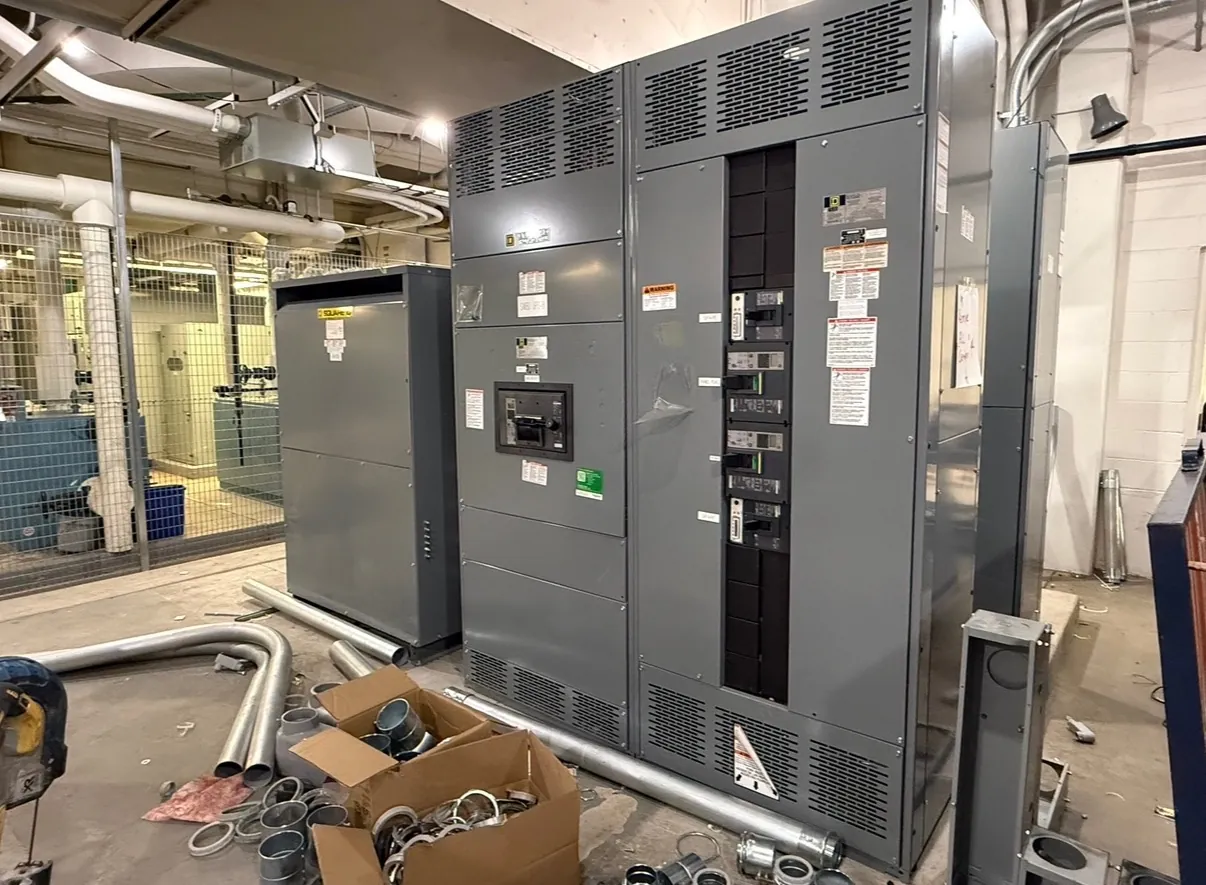
What Determines Switchgear Pricing in Nevada
There is no reliable single price for a switchgear project based on a product name alone. A useful quotation depends on the electrical design, equipment scope, required documentation and delivery conditions. For Nevada facilities, the same project questions apply whether equipment is headed to a commercial building, industrial site or infrastructure installation: What does the one-line diagram require? Which loads must be served? What equipment interfaces must be preserved? How will the assembly fit the room and reach the site?
We manufacture new custom switchgear and power-distribution equipment in the United States, using all-American components, and ship nationwide, including to Nevada. Project-specific engineering and configuration determine the price. Clear procurement information at the start helps distinguish required features from options and reduces the chance that a quote omits an important interface.
Voltage Class and Bus Current Shape the Design
Voltage class affects the equipment type, insulation and clearances, switching devices, construction and applicable design requirements. Low-voltage switchboards and medium-voltage switchgear are not interchangeable categories, and a voltage designation alone does not identify the complete equipment rating. Provide the nominal system voltage and the project’s specified equipment ratings separately. The ratings, applicable standards and whether a particular product is listed must be confirmed for the actual design; UL 891 applies to applicable low-voltage switchboards, not to every kind of switchgear.
Bus current requirements also influence conductor sizing, arrangement, supports and enclosure space. A higher specified bus rating can affect material and construction, but it should not be selected by guessing from building size or utility service alone. The engineer’s load assessment, distribution configuration and project documents establish the basis for the quote. Changes to the rating or bus arrangement after design begins can require revised layouts and pricing.
Breaker Configuration and Protection Requirements
The number and type of breakers, their frame and trip requirements, interrupting ratings, mounting style and connection arrangement all affect cost. A lineup with a few defined feeders is different from one requiring multiple sections, varied breaker sizes or specialized transfer and tie functions. An accurate equipment schedule helps identify these choices and reveals where a proposed configuration may need clarification.
Protection is a coordination issue, not simply a catalog option. Breaker settings and device characteristics must align with the engineered system, available fault information and the facility’s protection objectives. Share the specified protective devices and relevant design documents when requesting pricing. A manufacturer’s quotation cannot substitute for the engineer’s review of system studies, coordination, fault duty or arc-flash requirements.
Controls, Interfaces and Enclosure Conditions
Controls can add meaningful scope. Indicate whether the assembly requires metering, status indication, control power, interlocks, communications, remote monitoring interfaces or provisions for other equipment. Identify the signals and protocols required where known, along with who is supplying connected devices. Unclear division of responsibility can lead to mismatched components, extra wiring or a quote that does not include the intended interface.
Enclosure requirements also affect design and price. Indoor or outdoor use, dimensions, cable entry and exit, access clearances, environmental exposure and room constraints all matter. Nevada destinations may involve different site conditions, including heat, dust, elevation or limited access, but those conditions should be documented rather than assumed. Provide available room drawings, access-route constraints and any specified enclosure requirements so the proposed assembly can be evaluated against the facility.
Testing, Documentation and Scope Boundaries
Test scope should be stated explicitly. Factory inspection, routine production checks, project-specific tests, witness requirements and requested documentation can involve different levels of preparation and coordination. Identify the contract specifications and required records instead of relying on a general request for “testing.” Do not assume that a test request establishes a listing, certification or utility approval; those items require confirmation for the particular equipment and project.
Clarify what is included in the equipment package and what remains outside it. Installation, field wiring, commissioning, site modifications and coordination with other vendors may be separate scopes. A well-defined boundary makes competing proposals easier to compare and helps prevent a low initial figure from concealing missing requirements.
Information to Provide for a Useful Quote
For an initial review, send the current one-line diagram, equipment schedule and specifications, along with the project location and requested delivery conditions. Include system voltage, specified ratings, bus requirements, breaker quantities and functions, control and metering needs, enclosure conditions, test and documentation requirements, and any known room or access limitations. Note the required delivery window, but do not treat it as a confirmed lead time until the scope and schedule are reviewed.
Freight is project-specific as well. Destination, shipment size, unloading arrangements, site access and delivery constraints can affect logistics and cost. Nevada sites may have distinct receiving hours or access rules, so share those details early. Final pricing, equipment ratings, listings and schedule depend on review of the complete project requirements by qualified engineering and manufacturing personnel.