How a Switchgear Distributor Differs From a Manufacturer
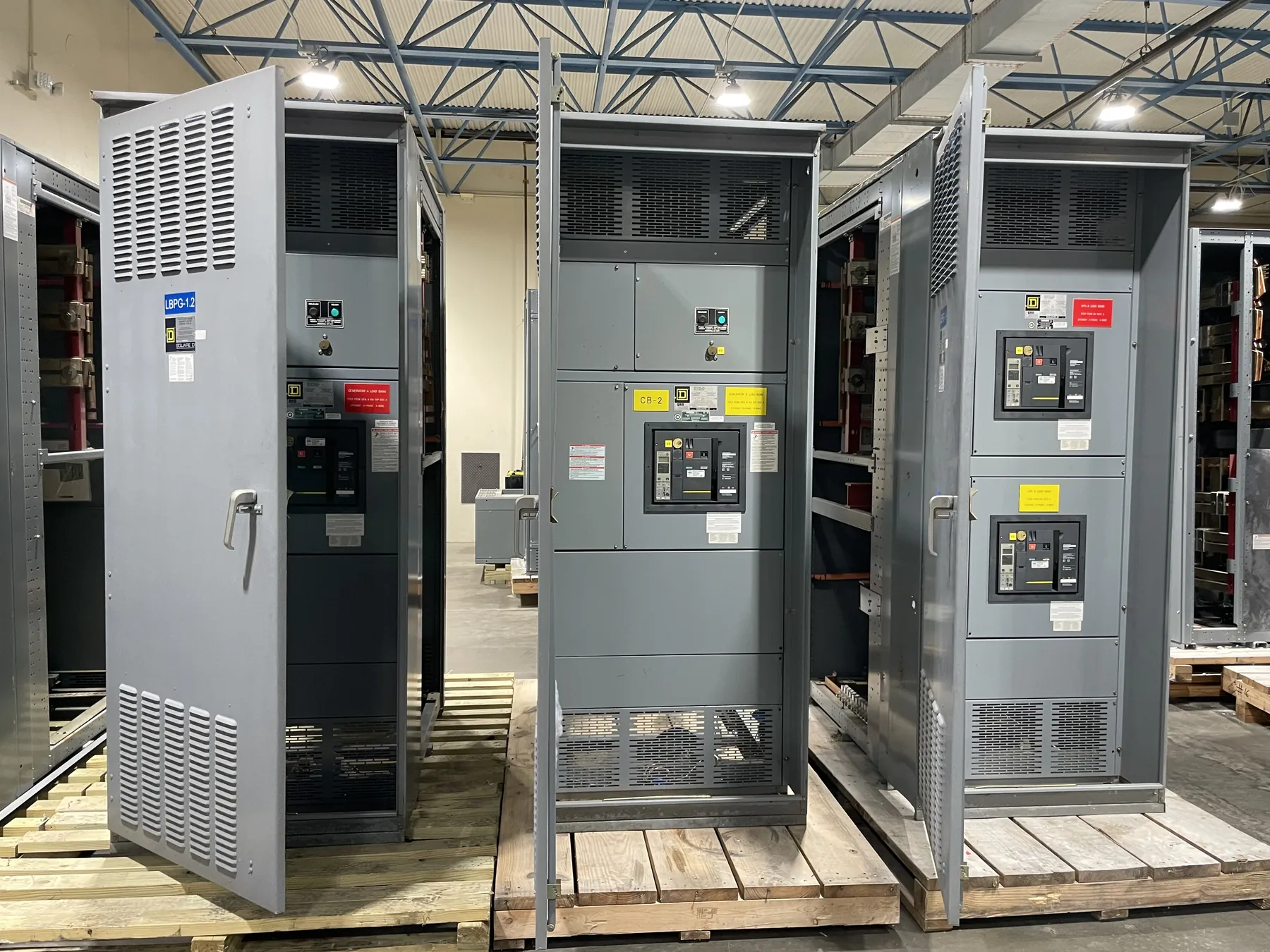
A switchgear distributor and a switchgear manufacturer serve different roles in the equipment supply chain. A distributor typically sources products made by other companies and helps customers identify and obtain equipment from those product lines. A manufacturer builds equipment to a defined configuration, using project requirements to develop an assembly and its documentation. Depending on the company, a business may perform one role or both; the distinction matters when you need a custom arrangement, clear responsibility for design details, or direct communication about how an assembly will be built.
For a Nevada facility planning a new electrical distribution system, buying directly from a manufacturer means discussing the intended application with the company responsible for producing the equipment. It does not remove the need for engineering review. The purchaser’s electrical engineer, facility team, and other project professionals still need to establish requirements and confirm that the proposed equipment suits the system and installation.
When Direct Manufacturer Purchasing Makes Sense
Direct purchasing can be useful when standard catalog options do not match the project’s layout or electrical requirements. A manufacturer can review the requested arrangement, identify information needed to define the assembly, and prepare a proposal around the specified scope. This can help keep equipment configuration and manufacturing questions connected, rather than relying only on a distributor to interpret a product line.
Our business manufactures new custom switchgear and power-distribution equipment in the United States using all-American components. We sell newly manufactured equipment to customers and ship nationwide, including to Nevada. Whether a custom build is appropriate depends on the project documents, engineering requirements, and the manufacturer’s review—not simply on a general product description.
Define the Equipment and Electrical Requirements
Start with the one-line diagram and project specification, if available. The proposal process may need the equipment type, system voltage, required continuous and interrupting ratings, bus arrangement, incoming and outgoing connections, enclosure requirements, and the number and function of sections or devices. A rating is not the same as system voltage: both must be stated and checked against the intended application. If drawings are preliminary, identify them as such so assumptions can be made visible rather than treated as final requirements.
Also clarify what the scope includes. The project may call for a low-voltage switchboard, switchgear, or another distribution assembly; these terms are not interchangeable in every specification. UL 891 applies to relevant low-voltage switchboards, not universally to all switchgear or to medium- and high-voltage products. Any required listing, standard, or product classification should be confirmed for the particular equipment and design.
Quotation Inputs and What Shapes Price
A useful request for quotation includes current drawings, equipment schedules, the project specification, required submittal documents, delivery location, and the requested quotation scope. Note whether the project expects the manufacturer to provide only the assembly or also defined accessories and documentation. List questions and exceptions separately, especially when a drawing conflicts with a specification. Clear inputs help identify what is included, what remains unresolved, and which assumptions could affect the proposal.
Pricing depends on the equipment’s configuration and project requirements, not just its overall dimensions. Device selection, bus design, enclosure details, internal arrangement, required documentation, and applicable listing requirements can all affect the work. Changes to ratings or layout may also require design review and a revised quotation. Because each project differs, a budgetary figure should not be treated as a final price until scope and technical details have been reviewed.
Coordinate Interfaces, Site Conditions, and Schedule
Before an order is finalized, coordinate the equipment with the electrical design and the building conditions. Confirm cable entry and termination space, conduit approach, access and clearance requirements, installation location, environmental conditions, and the path for moving equipment into the facility. Nevada sites may have differing indoor or outdoor conditions, local project requirements, and logistics constraints; the site team should provide the details relevant to the actual installation. Shipping to a Nevada destination does not establish that a particular assembly will fit or meet a site’s requirements.
Schedule planning should account for engineering review, drawing approval, manufacturing, freight, and site readiness. We support short lead times, but an exact schedule depends on the final scope, required approvals, and production coordination. Nationwide shipping is available; confirm the destination, delivery arrangements, and project dates during quotation rather than assuming a delivery window.
Review the Proposal Before Committing
Read the proposal against the project specification and drawings. Check equipment descriptions, ratings, quantities, interfaces, included documentation, stated exceptions, and any listing or compliance requirements. Ask who is responsible for resolving open technical items and ensure the electrical engineer reviews changes that affect the system. Final design decisions, code applicability, ratings, and suitability require qualified engineering judgment and site-specific review.
Buying directly from a manufacturer gives customers a direct route to discuss how new equipment will be configured and produced. It is most effective when the procurement team supplies complete project information, identifies uncertainties early, and coordinates manufacturer, engineer, installer, and facility requirements before release for manufacture.