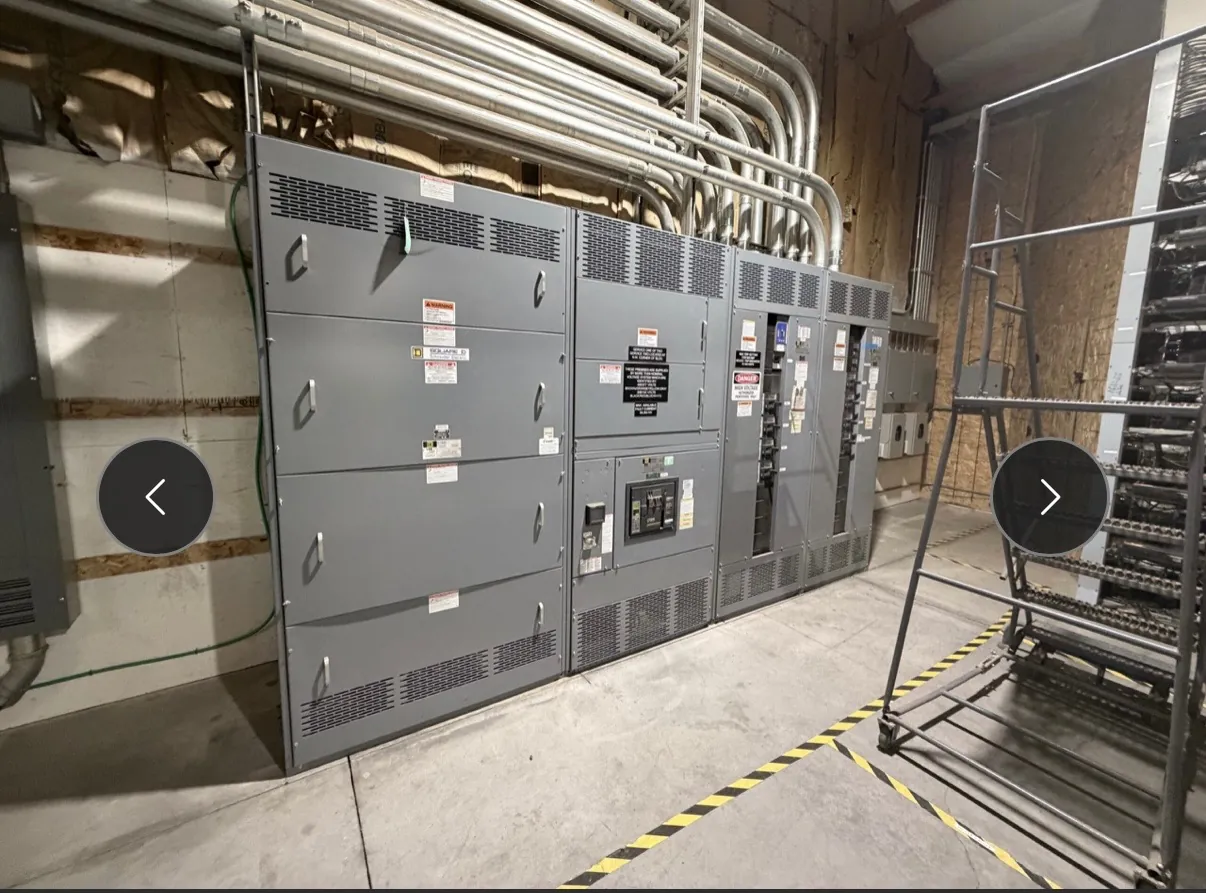
Describe Where the Equipment Will Operate
The enclosure around new switchgear does more than determine how a lineup looks. It influences access, protection from the surrounding environment, heat dissipation and the way cables enter the equipment. For a Nevada project, begin with the actual installation location and operating conditions rather than selecting an enclosure solely from a general description such as indoor or outdoor.
Provide the U.S. manufacturer with a site plan or room layout, expected temperature range, elevation and the known presence of dust, moisture or corrosive substances. Identify roof or wall exposure, nearby heat sources and any cleaning or washdown activities. A qualified electrical professional should review the enclosure and equipment as a complete application, including the installation requirements.
Select Protection for the Actual Exposure
An electrical room with controlled conditions may have different enclosure needs from an exposed outdoor pad or a process area with airborne particles. Consider the likely route of water entry, wind-driven dust, accidental contact and the environment around doors, ventilation openings and cable penetrations. Where chemicals or corrosive atmospheres are present, document their nature and exposure instead of assuming a generic finish will be sufficient.
Specify the required enclosure type or ingress-protection classification under the applicable project standard, together with the conditions behind that selection. NEMA enclosure types and IP classifications use different systems and should not be treated as automatically interchangeable. Ask for documentation for the proposed configuration, including any openings, accessories or field modifications that could affect the enclosure's intended protection.
Balance Ventilation and Heat
Electrical devices and bus joints generate heat during operation. The enclosure, airflow paths, installed equipment and loading conditions all contribute to temperature rise. A tightly protected enclosure is not necessarily suitable for every thermal duty, and adding openings without engineering review can undermine the selected environmental protection. Identify the expected ambient temperature and heat sources early in the design.
If the application calls for filtered ventilation, heaters or other environmental controls, define the power supply, maintenance access, alarm needs and operating conditions. Ask the manufacturer how these features interact with the assembly's documented ratings. The equipment designer should determine whether site temperature or elevation calls for a rating adjustment; do not assume cooling accessories alone establish the final capacity.
Plan Space for Safe Operation and Maintenance
Equipment dimensions must be coordinated with the building or pad, but a footprint by itself does not establish adequate working space. Show doors, removable covers, breaker withdrawal paths, ventilation zones and routes for personnel and replacement components. The project engineer and authority having jurisdiction should determine the applicable working clearances and access requirements for the actual electrical installation.
Consider how maintenance will be performed when adjacent equipment remains in place. A lineup placed against a wall may require a different access arrangement from one with clear space behind it. Confirm floor or foundation capacity, anchorage, lifting provisions and any seismic requirements in the project documents. These interfaces should be resolved before the enclosure dimensions are released.
Coordinate Entries, Barriers and Field Interfaces
Incoming and outgoing cables need adequate bending and termination space, with entry locations compatible with the bus and device layout. Identify top or bottom entry, conduit arrangements, grounding connections and any required barriers. Outdoor foundations and below-grade routes should be coordinated with drainage and the design of cable openings so the enclosure's intended protection is not inadvertently compromised.
The approved drawings should show the division between factory-provided openings and field work. Cutting, sealing or mounting accessories in the field can affect protection and equipment documentation, so follow the manufacturer's instructions and obtain approval where required. Installation details must also accommodate inspection and access without obstructing ventilation or the operation of doors and covers.
Request Complete Enclosure Documentation
When seeking a quotation for new U.S.-built equipment, provide the one-line, electrical ratings, proposed location, environmental criteria and installation schedule. Specify the finish, enclosure classification, entry arrangement and any monitoring or accessories needed. If project rules require U.S.-origin components, state the requirement and ask what documentation can be supplied for the proposed configuration.
Review the quotation for included drawings, environmental features, shipping sections and exclusions. During submittal, the electrical engineer, installer and site team should check the actual equipment dimensions, ventilation assumptions and access arrangements. A documented review makes the enclosure choice part of the electrical design rather than an afterthought left to the field crew.