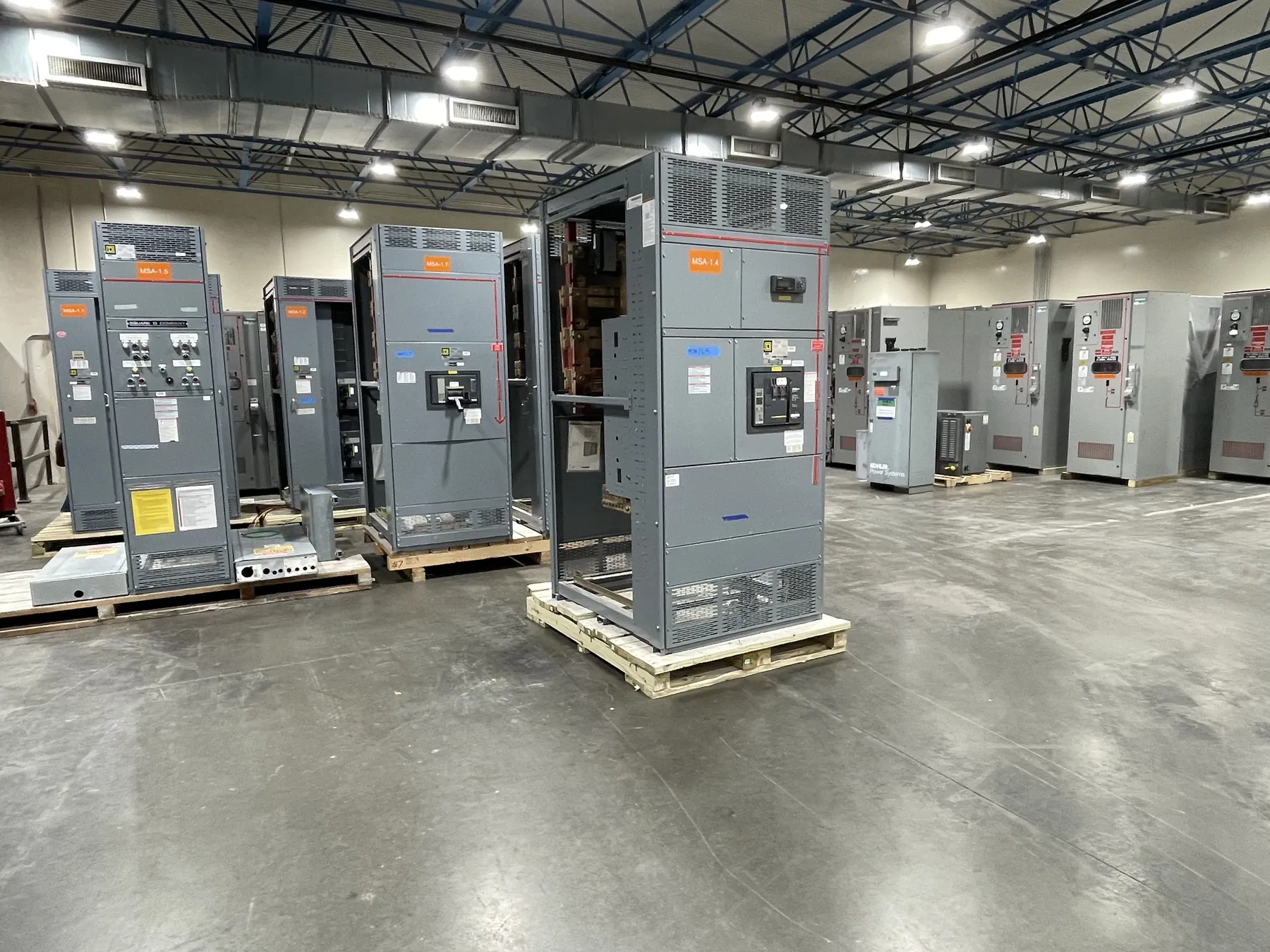
A U.S. Manufacturing Approach for Nevada
We are a U.S. manufacturer serving Nevada projects with new electrical distribution equipment built using all-American components. The work begins with the electrical and physical requirements of the specific installation rather than the assumption that every facility needs the same lineup. The resulting scope should identify what is being manufactured, which interfaces are included and what information remains to be confirmed.
Switchgear and related distribution assemblies connect important parts of a facility’s power system. Their selection calls for a clear understanding of the source, loads, operating conditions and protective scheme. Our role is to coordinate the manufacturing requirements with the project documents; the responsible electrical engineer and other qualified parties remain essential to system design and field decisions.
Define the Assembly Before Selecting Components
A one-line diagram provides the starting map for incoming sources, mains, bus connections and outgoing feeders. Equipment schedules add current ratings, protective devices, metering and controls. The team should distinguish a switchboard from switchgear or other equipment and identify the relevant voltage class, rather than treating all distribution assemblies as interchangeable.
For each proposed arrangement, discuss normal and alternate operating modes, spare provisions and interfaces to equipment provided by others. A new assembly for an existing facility also requires verified field dimensions and connection details. Preliminary assumptions should be marked as such, so that unresolved items do not become hidden manufacturing requirements.
Build the Specification Around Verified Ratings
Voltage, bus ampacity and short-circuit duty describe different equipment limits. Component choices must suit the complete assembly and its documented construction. The project engineer should verify available fault current, device interrupting ratings and protective coordination, including the effects of any generator or other source where applicable.
Environmental conditions matter as well. Indoor or outdoor placement, ambient temperature, dust, moisture and ventilation needs can influence enclosure selection and equipment ratings. Requirements for clearances and access come from the actual installation, applicable codes and manufacturer instructions. A rating cannot be inferred simply from a similar product name or an individual component label.
Coordinate Design, Fabrication and Assembly
Manufacturing planning translates approved project requirements into drawings, enclosure dimensions, bus arrangements, barriers, device locations and control wiring. The reviewed layout should show cable entry and termination areas, shipping sections and the physical interfaces needed by the installer. Changes to the one-line or equipment schedule should be communicated and evaluated before release.
Metalwork, bus preparation, assembly and labeling depend on the agreed design and component instructions. An inspection plan can identify what will be checked and documented for the project. These activities concern the manufactured equipment; field foundations, wiring, installation and commissioning should be assigned separately in the project scope.
Review Standards and Evidence for the Actual Product
Applicable standards depend on equipment type and voltage class. UL 891 concerns applicable low-voltage switchboards; it does not cover all distribution equipment or medium-voltage switchgear. Project specifications may call for other standards, specific testing or a listing for the proposed assembly. Those requirements should be identified before the design is finalized.
A standard cited in a proposal is not, by itself, evidence that an assembly is listed. Where a listing is required, request documentation showing the relevant manufacturer, product and configuration, and check any conditions of use. The project engineer and authority having jurisdiction determine how the evidence relates to the installation requirements.
Agree on Handoff and Delivery Responsibilities
Manufacturing scope should state the drawings, included factory checks, documentation and shipping arrangements expected for the order. Nevada delivery planning also requires the destination, receiving access, unloading capability and any limits on shipping-section size or weight. The schedule depends on the approved design, component requirements and agreed production and logistics plan.
Before energization, the installer and commissioning team must address field connections, inspections and tests required by the project. The manufacturer’s instructions and final drawings inform that work, but do not replace qualified site review. A clear handoff helps each party understand its obligations without assuming an office location, local inventory or a particular project outcome.