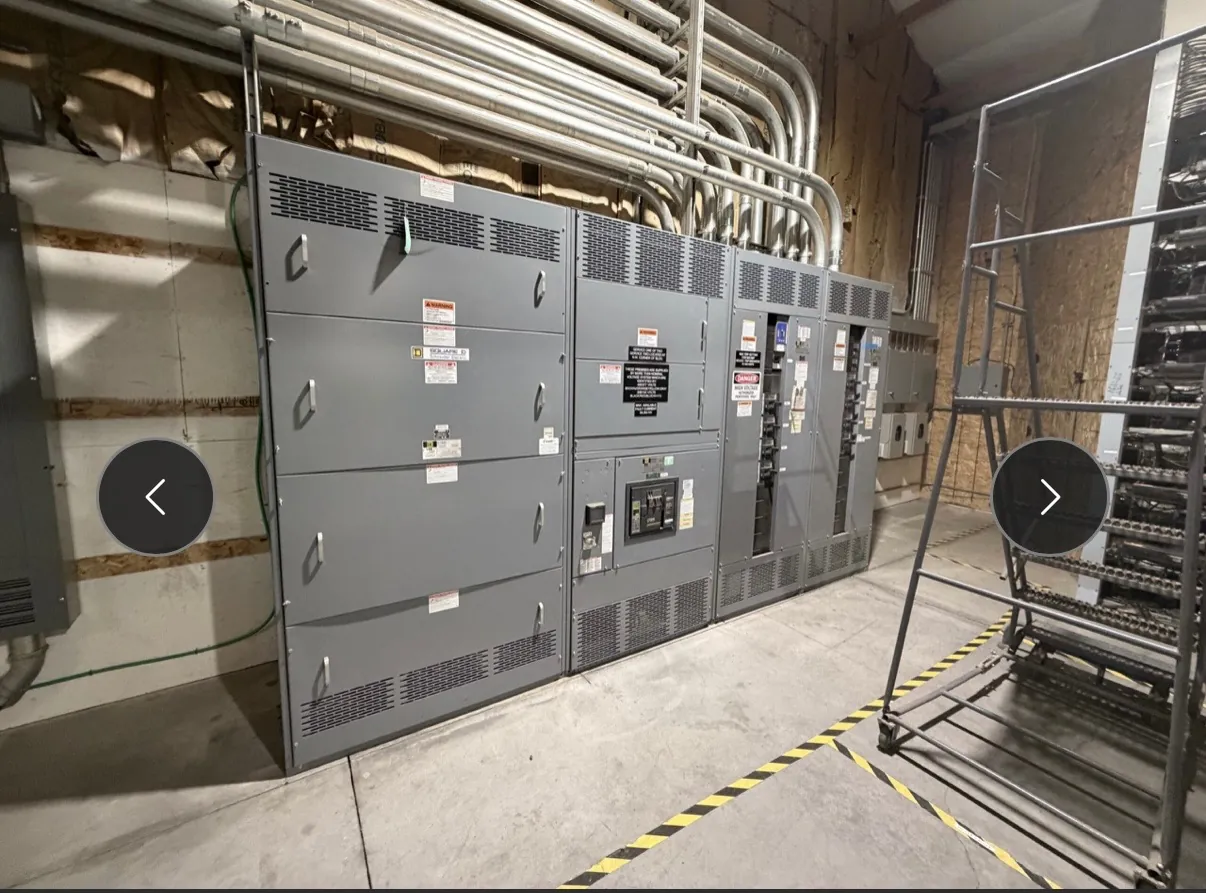
800 A Bus or Main Rating Is a Design Starting Point
An 800 A designation describes a current rating assigned to a particular part of an assembly, such as its bus or main device. It does not, by itself, establish the system voltage, the load the equipment can serve, or the rating of every component in the lineup. For an 800 A switchboard or switchgear application, the design team must identify exactly which component carries that rating and confirm that the complete assembly suits the electrical system and installation.
Begin with the project’s calculated load and the distribution arrangement. An 800 A bus rating is not a target that the connected load should automatically reach, nor does it establish spare capacity for future loads. The applicable equipment, conductor, and protection requirements depend on the design and governing code. Qualified electrical engineers should evaluate the calculation, equipment configuration, and site conditions together before a rating is selected.
Relate Calculated Load to Continuous Duty
Load calculations need to reflect how the facility operates, not just a list of connected equipment. The engineering review may consider demand, expected operating schedules, load characteristics, and which loads could run simultaneously. Continuous duty also matters: equipment expected to carry a sustained load must be evaluated under the applicable design rules and with the specified protective devices. An 800 A label alone does not show how much continuous load is permitted in a particular configuration.
For a quotation, provide the load schedule and identify known continuous loads, anticipated operating patterns, and any planned additions. If the project includes load diversity assumptions or demand factors, share their basis for review rather than treating them as established equipment capacity. The final arrangement and ratings require confirmation against the project’s applicable requirements.
Account for Ambient Conditions and Installation — 800 A Switchgear and Switchboards
Ambient temperature and the physical installation can affect equipment selection and performance. Relevant details may include the electrical-room conditions, indoor or outdoor placement, ventilation, nearby heat sources, elevation, exposure to dust or moisture, and the available mounting or access space. These factors can influence enclosure selection, equipment arrangement, and whether the proposed configuration is suitable for the location.
Include the intended installation environment and any known site constraints with the design documents. A nominal 800 A bus or main rating should not be assumed to remain appropriate under every ambient condition or enclosure arrangement. The equipment manufacturer and the project’s qualified engineering team should review the specified conditions and confirm applicable ratings for the actual assembly.
Keep Main, Protective-Device and Short-Circuit Ratings Distinct
The main rating, protective-device rating, bus rating, system voltage, and short-circuit withstand or interrupting ratings describe different characteristics. They must be selected and coordinated for the application rather than inferred from the 800 A figure. Available fault current at the installation point, the upstream protective device, downstream equipment, and the intended protection scheme are among the details that can shape the design.
Provide the available fault-current information and upstream and downstream device data when requesting a design review. The engineer must assess protective-device selection and coordination using the project’s system information. Enclosure type and environmental suitability also require separate confirmation. UL 891 applies to applicable low-voltage switchboards; it should not be read as a blanket listing basis for all switchgear, voltage classes, or equipment types. Any applicable listing, construction, and project requirements must be confirmed for the proposed product.
Plan Future Expansion Without Assuming Spare Capacity — 800 A Switchgear and Switchboards
Future loads may affect bus arrangement, feeder spaces, enclosure dimensions, cable entry, and protective-device coordination. A provision for an additional feeder is not the same as permission to increase the assembly’s load beyond its approved design. Likewise, selecting an 800 A bus does not guarantee that later expansion will be practical: the future load, fault-current conditions, physical space, and system configuration all matter.
Describe planned phases, likely load additions, and any preferred feeder locations at the outset. The design team can then evaluate whether the proposed arrangement accommodates those plans while maintaining suitable ratings and interfaces. Where future requirements remain uncertain, document the assumptions so they can be revisited rather than relying on an unspecified reserve.
Provide Complete Inputs for an 800 A Equipment Quote
For custom-manufactured switchgear or switchboards, useful quotation inputs include the one-line diagram, load information, system voltage and frequency, service or feeder arrangement, available fault-current data, protective-device requirements, enclosure and installation conditions, and applicable project specifications. Note the intended role of the 800 A rating—bus, main, or another component—and identify any required metering, control, or communication interfaces. Share dimensions, cable-entry preferences, and expansion plans where known.
Our U.S.-built assemblies use all-American components, support short lead times, and ship nationwide, including to Nevada. Shipping plans can be considered alongside site access, receiving arrangements, and the project schedule; no specific delivery date or equipment configuration should be assumed before review. A complete submittal and quotation discussion help establish which ratings and details apply. Final selection remains subject to qualified engineering review of the electrical system and installation conditions.