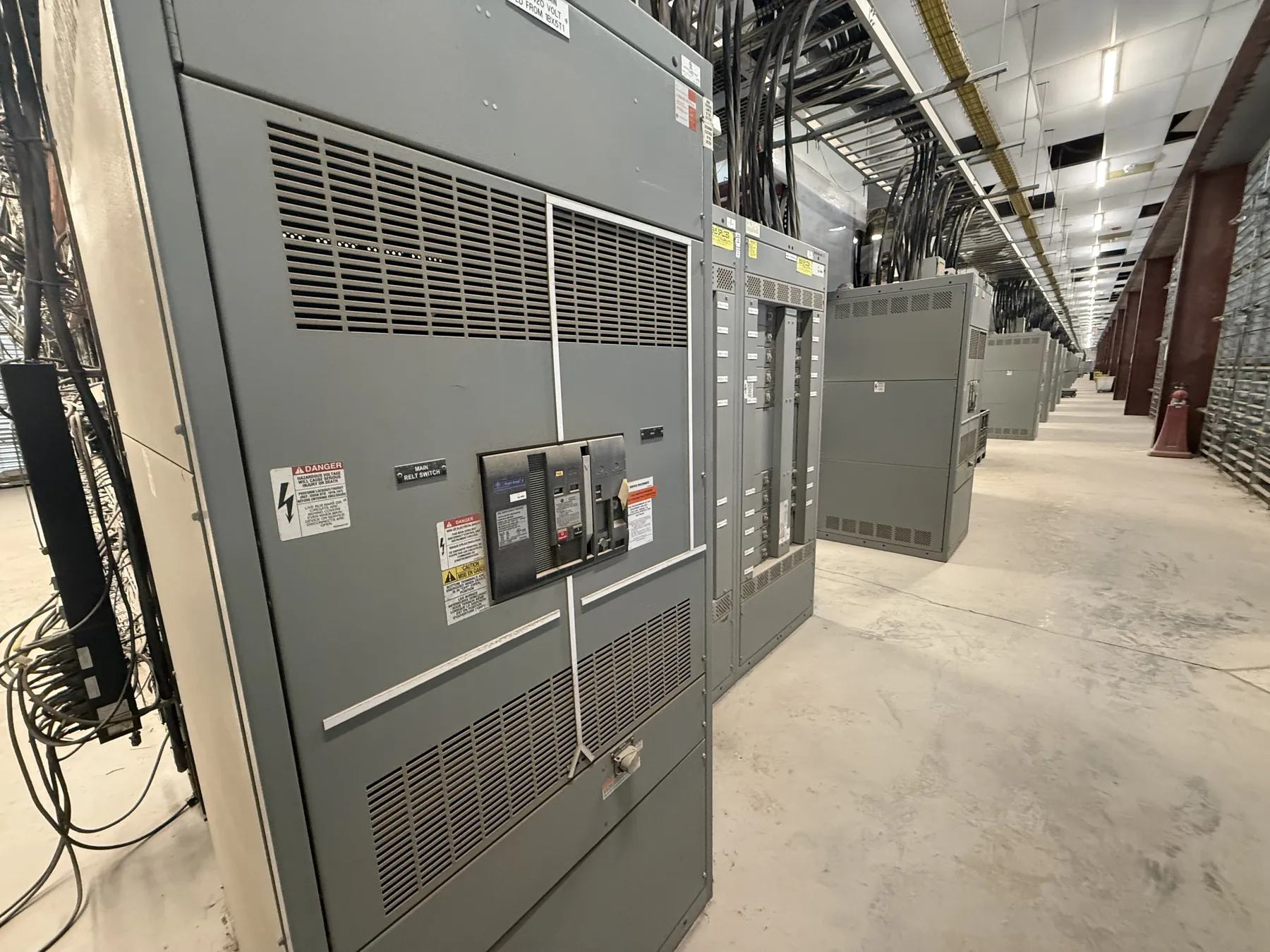
4000 A Low-Voltage Switchgear: Start With the Duty
A 4000 A continuous-current requirement is a design input, not a complete switchgear specification. The assembly must suit the actual system voltage, distribution arrangement, connected loads and operating conditions. A 4000 A designation does not, by itself, establish the system voltage, short-circuit rating, number of sections or suitability for a particular facility. Those details need to be defined and verified for the project before equipment is selected.
For a new custom assembly, begin with the required service and feeder functions, including how many sources and outgoing circuits must be accommodated. The design team can then evaluate a low-voltage power circuit breaker arrangement that fits the one-line diagram and the facility’s operating priorities. A 4000 A lineup may involve more than one section, but the final configuration depends on breaker selection, bus design, connections and the enclosure layout—not simply the headline current rating.
Compare Breaker Arrangements and Maintainability — Low-Voltage Switchgear at 4000 A
Power circuit breaker choices affect how a switchgear lineup is arranged, how feeders are served and how maintenance or future work is planned. Review breaker frame and trip functions, fixed or drawout construction where offered for the specified design, feeder quantities, and the space needed for cable or bus connections. A drawout arrangement may support removal of a breaker for service, but it also affects cell construction, interlocks, dimensions and the project’s maintenance planning. Confirm the actual options in the proposed equipment documentation.
Maintainability also depends on the facility around the lineup. Available room, access routes, ceiling height, cable entry direction and working clearances can constrain section dimensions and placement. Consider which loads require operational continuity, whether redundant sources or ties are part of the design, and how the facility intends to manage outages. These are engineering and site-planning decisions; they cannot be resolved from the 4000 A rating alone.
Check Continuous Current, Bus Ratings and Conditions
Verify that the proposed main device, horizontal bus, vertical bus and relevant connections meet the specified continuous-current duty. Do not assume every portion of an assembly carries the same rating or that a breaker rating automatically establishes the bus rating. The equipment documentation should identify the ratings and configuration applicable to the quoted assembly.
Ambient conditions and installation details matter. The equipment’s intended environment, enclosure arrangement, ventilation, altitude where relevant, and nearby heat sources can affect how ratings apply. Load growth should also be discussed: planned additions may influence feeder count, spare provisions, bus requirements and physical space. A larger nominal rating is not a substitute for evaluating expected load, loading patterns and the conditions at the installation site.
Specify Short-Circuit Duty and Coordination Together
The assembly’s short-circuit rating is distinct from its 4000 A continuous-current rating. It must be selected against the available fault current at the installation point and the project’s system conditions. Provide the engineer with the available fault-current information, protective-device data and relevant source details so the required assembly rating can be evaluated. Do not infer short-circuit capability from the current rating or from a breaker’s appearance.
Coordination is another separate design task. The engineer should review upstream and downstream protective devices, trip settings and the facility’s selective coordination objectives where applicable. A coordination study may identify tradeoffs between fault-clearing behavior, continuity for unaffected loads and equipment limitations. Final settings and protection choices require qualified engineering review, accurate system information and confirmation against the selected equipment documentation.
Consider UL 1558 and Applicable Equipment Scope
UL 1558 is a standard associated with metal-enclosed low-voltage power circuit breaker switchgear. Whether it applies to a particular project depends on the equipment type and specified construction. Do not treat the standard as proof that a specific assembly is listed, or as a blanket statement covering every product or rating. Ask the manufacturer to identify the applicable standard and provide documentation for the actual configuration being offered.
Standards, listings and project requirements should be reviewed alongside the one-line diagram, specifications and installation conditions. Applicable code provisions and acceptance requirements depend on the project and jurisdiction. Confirm the required documentation and any owner or authority requirements during design; do not assume that a general product description settles them.
Prepare a Complete 4000 A Quotation Package
For a useful quotation, provide the system voltage, one-line diagram, required main and feeder functions, breaker preferences, bus requirements, available fault-current information and specified short-circuit rating. Include cable or bus entry requirements, installation constraints, ambient conditions, anticipated load growth, control and metering needs, and any applicable standards or project specifications. Identify desired future provisions and operational priorities, since these can affect the section arrangement and equipment footprint.
Equipment is custom manufactured in the United States using American components and can ship nationwide, including to Nevada. Site access, receiving arrangements and installation conditions should be considered in project planning; shipping destination alone does not determine the appropriate design. The manufacturer can confirm the available configuration and documented ratings against the project requirements. Final selection depends on engineering review and verified equipment information—not on the 4000 A label by itself.