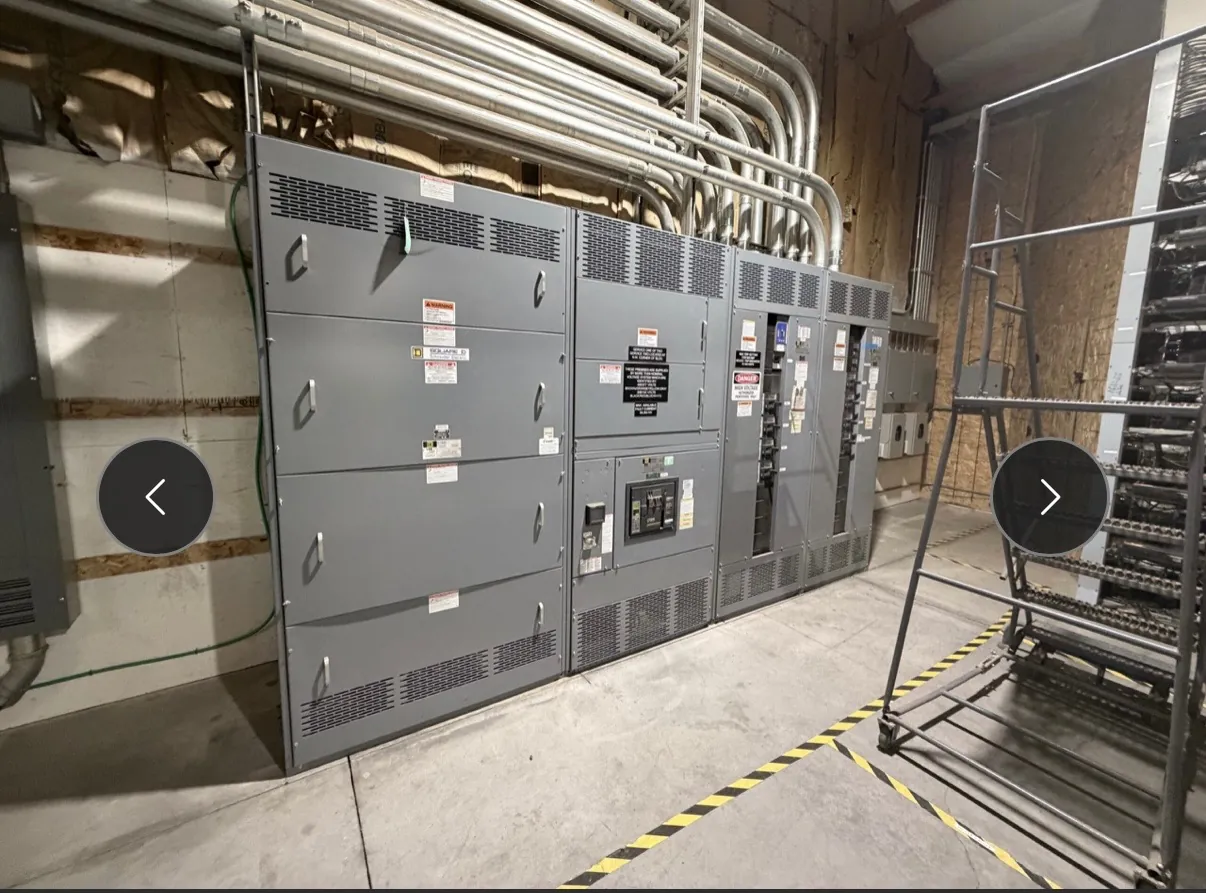
Planning a 400 A Electrical Panelboard
A 400 A panelboard can serve as a branch-circuit distribution point, but the ampere rating alone does not establish whether it fits a facility. The design depends on the calculated load, the panelboard’s role in the distribution system, the incoming feeder, and the conditions where the equipment will be installed. A 400 A continuous-current requirement calls for particular attention: the selected assembly and its permitted application must be suitable for that duty, rather than being chosen solely because its label says 400 A. Load calculations, applicable codes, equipment documentation, and site conditions should be reviewed by qualified electrical professionals.
For a custom quotation, provide the intended application and available electrical information. Useful inputs include the system voltage and phase, source and feeder details, load schedule, required branch-circuit types and quantities, installation environment, and project specifications. A rating is not a system voltage, and neither should be assumed from “400 A.” Confirm the actual configuration and ratings against the proposed equipment documentation before incorporating them into a design.
Branch-Circuit Arrangements and Future Loads
Branch-circuit planning starts with the loads the panelboard will serve. Identify circuit types, pole requirements, expected demand, and any dedicated or special-use circuits. The schedule should distinguish known present loads from anticipated additions; leaving physical and electrical capacity for growth may be useful, but spare spaces do not by themselves guarantee that future loads can be served. The feeder, bus, protective devices, and overall load calculation still need to support the planned expansion.
Balance practical access with a clear circuit layout. Grouping circuits by area or function can simplify identification and later documentation, while separating particular load categories may be appropriate where the design or project specifications require it. The final branch-device arrangement depends on the panelboard’s available construction and compatible components. Provide a circuit schedule or a well-developed preliminary load list so the manufacturer and design team can review the required arrangement rather than relying on an assumed standard layout.
Main Device, Feeder, and Continuous-Current Duty
Specify whether the panelboard requires a main device or is intended for a feeder-fed arrangement without one. That choice affects the assembly configuration, incoming conductors, space requirements, and coordination with upstream protection. The feeder rating and overcurrent protection must be considered with the panelboard’s bus and device ratings; selecting a 400 A panelboard does not automatically make every feeder or main device a 400 A component.
For continuous loads, ambient conditions and the equipment’s listed or otherwise documented application matter. Review the expected loading over time, enclosure conditions, installation location, and any applicable requirements with the project engineer. Load growth should be evaluated as part of the same review: an initial load that appears acceptable may not leave suitable margin for planned additions. Do not infer a permissible continuous load from the nominal ampere rating alone; confirm the proposed assembly’s specific ratings and conditions of use.
Enclosure Selection and Installation Conditions — Electrical Panelboards at 400 A
Choose the enclosure based on the actual installation environment and mounting arrangement. Indoor electrical rooms, service spaces, and locations exposed to moisture, dust, corrosive conditions, or physical impacts may call for different enclosure characteristics. The required enclosure type and dimensions also depend on working space, conductor entry, wall or floor mounting, access needs, and the route used to bring feeders and branch conductors to the equipment.
For Nevada projects, facility conditions vary by site, so specify the actual indoor or outdoor location and any exposure concerns rather than relying on a general regional assumption. Include available installation dimensions, access constraints, and conductor-entry preferences in the project information. The equipment can be manufactured in the United States using all-American components and shipped nationwide; those facts do not replace confirmation that the selected enclosure and configuration suit the particular site.
Fault Duty and Upstream Coordination — Electrical Panelboards at 400 A
The panelboard’s short-circuit rating must be appropriate for the available fault current at its point of installation and for the specified assembly configuration. This rating is distinct from the 400 A continuous-current rating. It should not be selected from the panelboard’s ampere rating, assumed from the building service, or treated as interchangeable with an individual device rating. The electrical engineer must establish the applicable fault-current conditions and identify the required assembly short-circuit rating.
Coordination with upstream distribution equipment is also essential. Provide the source and upstream protective-device information, including relevant settings or characteristics when available. The design team can then evaluate how the panelboard’s protective devices relate to upstream equipment and to downstream circuits. Any series-rated arrangement or other reliance on upstream protection requires specific documentation and confirmation; it should not be presumed from component names or from a rating shown for a different configuration.
Information to Confirm Before Ordering
Before finalizing a 400 A panelboard specification, align the load schedule, main-device choice, feeder requirements, enclosure, fault duty, and upstream coordination information. Identify the system voltage and phase separately from ampere ratings, and resolve any conflicts between drawings, schedules, and project specifications. Confirm the proposed assembly’s available branch-circuit arrangement, ratings, applicable listing information, and documentation for the exact configuration. UL 891 applies to applicable low-voltage switchboards; it should not be assumed to cover a panelboard or other equipment without confirmation of the product’s applicable standards and documentation.
Custom panelboards are manufactured new to the confirmed project requirements. Clear quotation inputs help establish what configuration can be offered and what details remain subject to engineering review. Final selection, protection, and installation suitability depend on qualified engineering review of the project documents and site conditions; the equipment documentation should be checked against the completed design.