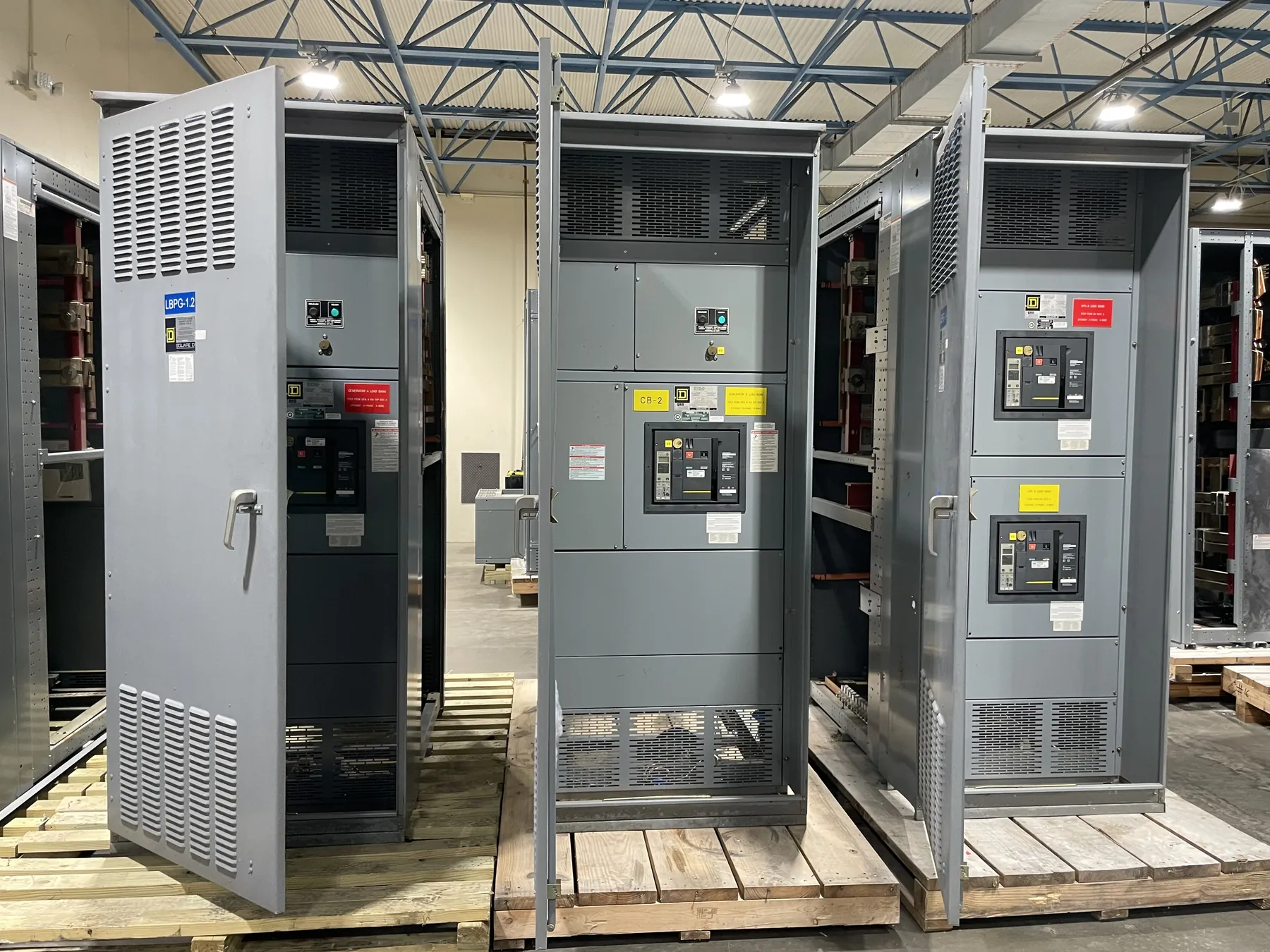
400 A Automatic Transfer Switches: What the Rating Means
A 400 A automatic transfer switch (ATS) transfers a connected load between designated power sources when its control system detects a qualifying source condition. The 400 A designation describes a continuous-current rating under the conditions specified for the equipment; it is not the system voltage, available fault current, or a complete description of the switch’s capability. Those characteristics must be checked separately against the project design and the manufacturer’s documentation.
For a Nevada facility, the right configuration depends on the actual sources and load served, not just the nameplate current. A standby generator, alternate utility source, or other supply may impose different control, interface, and coordination requirements. Confirm the available product configuration and ratings before specifying or ordering.
Transfer Transition and Source Sensing — Automatic Transfer Switches at 400 A
Transfer behavior determines how the load moves from one source to another. Depending on the selected equipment and application, transition may be open, with the load disconnected from one source before connection to the other, or a different transition arrangement intended for a specific system design. The choice affects the interruption experienced by the load, the interaction between sources, and the controls needed. Do not assume a transition type from the 400 A rating alone.
Source-sensing settings and logic also matter. The control scheme must recognize acceptable source conditions and respond to the project’s requirements for transfer and retransfer. Generator applications may require coordination with generator start, stabilization, and cool-down sequences. Obtain the source characteristics, control preferences, and any required remote signals so the proposed ATS can be checked for compatibility. Actual settings and operating sequences belong to the engineered project documentation.
Load, Continuous Current, and Future Capacity
Compare the expected load with the ATS’s continuous-current rating using the applicable equipment conditions and project requirements. Review measured or calculated demand, load types, operating schedules, and anticipated additions rather than relying only on a feeder’s nominal size. Motors, electronic loads, HVAC equipment, and other loads with distinctive starting or operating characteristics can affect equipment selection and system coordination.
Ambient conditions and installation details must be considered against the manufacturer’s stated rating conditions. Enclosure arrangement, ventilation, location, and surrounding equipment can affect how the assembly is applied. If the site conditions differ from those assumed by the equipment documentation, have a qualified engineer evaluate whether a different configuration or rating is needed. A 400 A selection should also account for planned load growth without treating spare capacity as permission to exceed the equipment’s limits.
Withstand Rating and Protection Coordination
The ATS’s short-circuit withstand and closing ratings are separate from its continuous-current rating. The available fault current at the installation, the upstream protective device, and the specified assembly rating must be evaluated together. A 400 A switch does not, by itself, establish that the equipment can withstand the fault conditions at a particular service or feeder.
Provide the available fault-current information and the proposed upstream overcurrent protection for engineering review. Confirm that the selected ATS configuration and any required protective-device combination are supported by the applicable product documentation. Coordination with upstream and downstream devices should be assessed for the system’s intended operation and protection objectives. Do not infer a short-circuit rating or protective-device compatibility from the current rating.
Neutral Switching and System Configuration
Whether the neutral is switched is an important application decision, not a default determined by the 400 A value. The answer depends on the grounding arrangement, source configuration, and applicable electrical design. A separately derived generator system, for example, can raise different neutral and bonding questions than a system in which the sources share a neutral arrangement. These details should be established by the project’s qualified electrical engineer.
Specify the number of poles and neutral arrangement required, along with system voltage, phase, frequency, grounding approach, and source details. Confirm that these choices match the one-line diagram and the requirements of connected equipment. Incorrect assumptions about neutral switching or bonding can create system issues; the configuration must be reviewed for the actual installation.
UL 1008, Documentation, and Quotation Inputs
UL 1008 applies to transfer-switch equipment where required by the product and project context. It should not be treated as a blanket statement that every ATS configuration is listed or suitable for every installation. Verify the applicable listing and markings for the specific offered equipment, along with its continuous-current, withstand, and other relevant ratings. Listing scope and project acceptance must be confirmed from current documentation and the authority having jurisdiction as applicable.
For a useful quotation review, provide the one-line diagram, source and load information, voltage and phase, required transition type, neutral-switching requirement, available fault current, upstream protective-device details, enclosure and installation conditions, and control or communication interfaces. Identify any required accessories and project documentation. Nevada site conditions and shipment logistics can be considered from the supplied project information; they do not establish a factory location or local approval.
Our U.S.-built assemblies use all-American components and are designed for nationwide shipment, with short lead times as a manufacturing objective rather than a promised delivery date. Final availability and schedule depend on the confirmed configuration and order details. Ratings, listing status, and compatibility require review of the actual equipment documentation and project design before release.