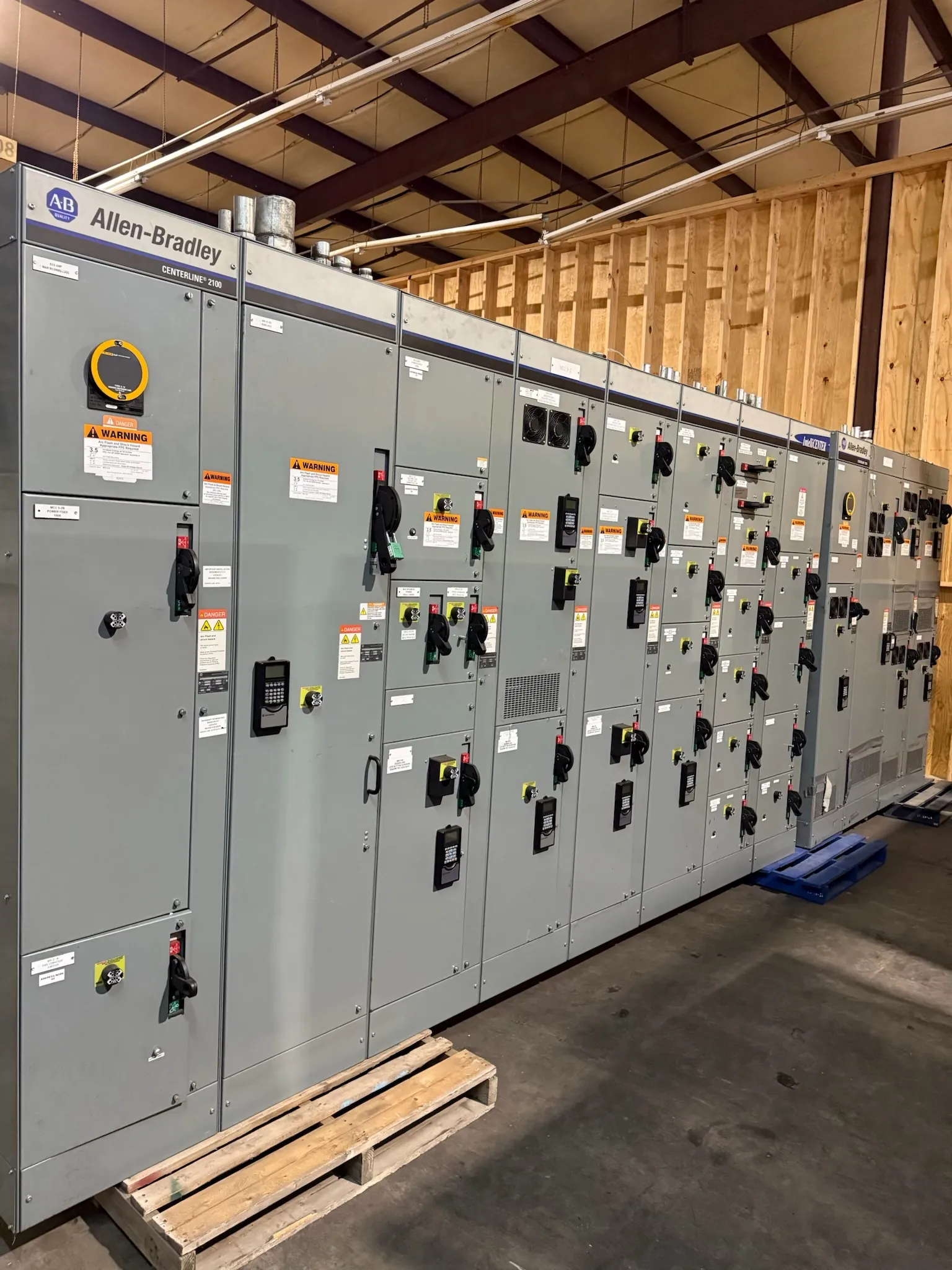
Metal-Enclosed Switchgear for Winnemucca, NV Projects
Metal-enclosed switchgear can provide a coordinated arrangement of switching and protective devices in a metal housing for a distribution application. For a Winnemucca project, selecting the right assembly starts with the electrical one-line diagram, system conditions and the work the equipment must perform—not just the enclosure style. The design team needs to establish which circuits require switching, protection or isolation, how the assembly connects to upstream and downstream equipment, and what access is needed for inspection and maintenance. A U.S. manufacturer can build new custom equipment for Nevada projects and ship nationwide; project-specific engineering, ratings and delivery planning must be confirmed before an order is finalized.
Choosing Switch-and-Fuse or Breaker Arrangements
A switch-and-fuse configuration and a circuit-breaker configuration serve different protection and operating needs. A switch paired with fuses may suit an application where the specified protective function and replacement strategy align with the system design. A breaker arrangement can provide a different approach to circuit interruption and protection, subject to the selected breaker’s characteristics and the coordination study. Neither choice should be made from device type alone. The engineer should review available fault current, load characteristics, required protection, upstream devices and downstream equipment. The quotation should identify the intended configuration by circuit so that device functions and interfaces are clear.
Metal-Enclosed Is Not the Same as Metal-Clad — Metal-Enclosed Switchgear in Winnemucca, NV
“Metal-enclosed” describes switchgear housed in a metal enclosure; it does not by itself establish the internal compartment construction associated with metal-clad equipment. Metal-clad designs generally use more defined separation between major components, while metal-enclosed assemblies can vary in barriers and compartment arrangement. The construction terms are not interchangeable, and the name alone does not specify the level of isolation or access. For a Winnemucca installation, the project documents should state the required construction, barriers, device access and maintenance expectations. The manufacturer and engineer can then confirm whether the proposed assembly matches the intended design and applicable project requirements.
Barriers, Fault Duty and Grounding — Metal-Enclosed Switchgear in Winnemucca, NV
Internal barriers affect how components are separated and how personnel access equipment for approved work. Specify the needed barriers and compartments rather than assuming a particular arrangement from the product label. Fault-duty selection requires the engineer to evaluate the available fault current at the equipment and the assembly’s applicable ratings. A rating is not the same as system voltage: both must be specified and verified for the actual installation. Grounding details also matter. The design should define the equipment grounding path, grounding connections and any required interface with the site grounding system. These decisions depend on system design and site conditions, so qualified engineering review is essential before equipment is released for manufacture.
Interfaces and Information for a Useful Quote
Provide the latest one-line diagram, system voltage, available fault-current information and the project’s required equipment ratings. Include feeder quantities and functions, load or protection requirements, control-power needs, metering or instrumentation expectations, and the incoming and outgoing cable or bus interfaces. Identify enclosure location, environmental conditions, access constraints and any specified barriers or construction details. Also share governing project specifications and any required listing or compliance criteria. UL 891 applies to applicable low-voltage switchboards; it should not be treated as a blanket standard for all switchgear. Listings, ratings and the suitability of any configuration must be confirmed for the particular product and project.
Winnemucca Receiving, Unloading and Installation Planning — Metal-Enclosed Switchgear in Winnemucca, NV
Shipping and site logistics can affect the installation sequence as much as the electrical design. Before production planning, confirm the receiving location, delivery access, unloading method and the party responsible for handling the equipment. Review doorway and route clearances, available laydown space, lifting provisions and restrictions at the installation site. Determine whether the assembly can ship as a complete lineup or must be divided into sections; section dimensions and weight limits depend on the final design and transport plan. Coordinate section shipping limits with the foundation, anchorage, joining work, cable or bus connections and the installation schedule. Avoid setting a delivery date until manufacturing timing, carrier arrangements and site readiness have been reviewed together.
From Design Review to Custom Manufacture
After the project inputs are received, the proposed arrangement can be reviewed against the one-line diagram, ratings, interfaces and installation constraints. Resolve open questions before release, especially changes to protective devices, barriers, grounding or section boundaries, because these can affect both the equipment layout and field connections. New custom assemblies are manufactured with all-American components, built in the USA and can support short lead times; actual timing depends on the approved scope and project requirements and should be confirmed in the quotation. Clear drawings and coordinated shipping details help the Winnemucca project team prepare for receipt and installation without assuming that a general product description settles site-specific engineering.