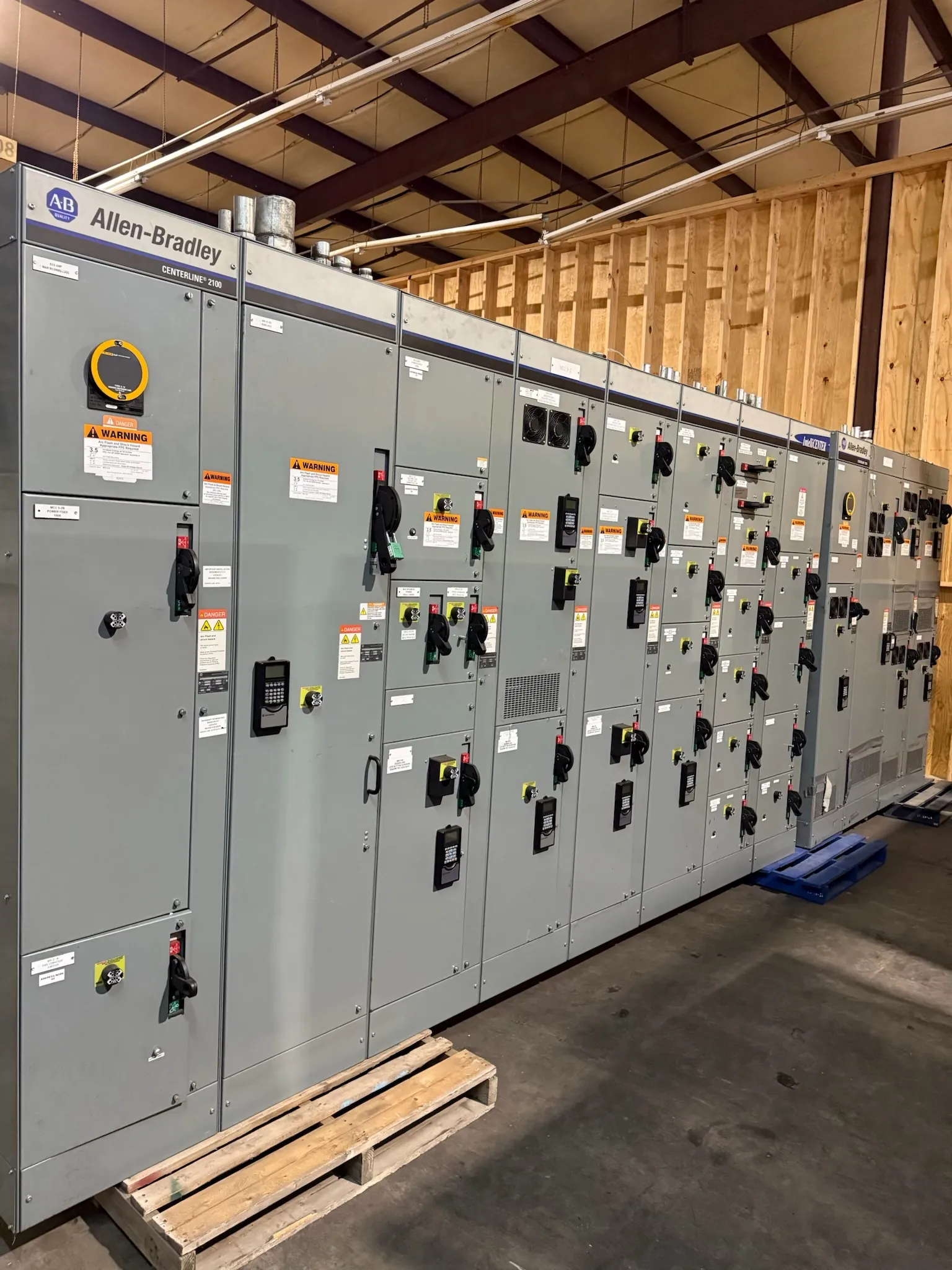
Wastewater Switchgear for Winnemucca Facilities
Wastewater electrical distribution has to serve equipment that operates through changing flows, scheduled maintenance and, in some cases, standby-power events. For a Winnemucca project, switchgear and switchboards should be selected around the facility’s actual one-line diagram, load requirements and operating plan—not a generic treatment-plant template. A custom assembly can be configured for the specified distribution functions and interfaces, subject to engineering review of the project documents and applicable requirements.
Early coordination matters because the electrical lineup connects several parts of the facility: incoming service or generator sources, distribution feeders, motor-control equipment, and loads such as pumps and process systems. The equipment scope should identify which functions are included in the assembly and which are handled by separate equipment. That distinction helps prevent gaps or duplicated functions in the final design.
Pump and Motor Loads Shape the Distribution Design
Pumps can have different operating roles: duty, standby, intermittent service or variable operation. Their electrical requirements depend on the selected motors and controls, starting method, operating sequence and available source. The switchgear design team needs the project’s motor data and control architecture to evaluate feeder arrangements and the relationship between distribution equipment and motor-control equipment. A switchboard is not, by itself, a motor starter or variable-frequency drive unless those functions are specifically included in the designed scope.
Provide motor nameplate or specified electrical data, expected operating combinations, control requirements and any known future-load allowances. The engineer can then review loading, protection coordination and available equipment ratings against the project design. Avoid assuming that a nominal system voltage, a breaker frame size or a component rating establishes the capacity of the complete assembly; ratings and system voltage are different details and must be confirmed for the proposed configuration.
Standby Power Requires Clear Source and Transfer Interfaces
Where a wastewater facility includes a generator or other standby source, define how normal and alternate power are intended to connect and transfer. The design documents should identify the transfer equipment, source arrangement, loads to be supported and any operating sequence that affects the distribution lineup. Transfer functions may be part of separate equipment, so the quotation should state whether they are included or provided elsewhere.
Standby design is not simply a matter of adding space for a generator feeder. Source characteristics, load priorities, protection settings and equipment ratings need qualified engineering review. Share the one-line diagram, generator information when applicable, and the planned division of responsibilities among the electrical designer, equipment manufacturer, contractor and other suppliers. This helps clarify interface points before fabrication drawings are developed.
Moisture, Corrosion and Enclosure Selection — Wastewater Switchgear in Winnemucca, NV
Wastewater buildings and process areas may expose electrical equipment to humidity, condensation, washdown, chemical agents or corrosive atmospheres, but conditions vary by location within a facility. Describe the intended switchgear room or installation area rather than relying on the broad label “wastewater.” Note whether equipment is indoors or outdoors, the surrounding environment, ventilation or temperature concerns, and any known moisture or chemical exposure.
Enclosure selection should follow the documented exposure and installation conditions. An enclosure rating is not interchangeable with a voltage or interrupting rating, and a rating suitable for one area may not suit another. The project engineer must confirm the required enclosure and equipment ratings, along with applicable code and installation details. Any listing or standard applicability should be verified for the particular product and configuration; UL 891 applies to applicable low-voltage switchboards, not to every form of switchgear or every assembly.
Winnemucca Delivery Planning and Section Limits
For a Winnemucca installation, logistics belong in the project schedule from the outset. Confirm the receiving location, access route, unloading capability, storage conditions and the contractor’s installation sequence. Large electrical lineups may be designed and shipped in sections, but allowable section dimensions and shipping splits depend on the engineered assembly and transportation constraints. Review these limits before finalizing room access, door openings, rigging plans and placement sequence.
Coordinate the planned arrival with site readiness and the installation schedule. A receiving team should know how shipments will be identified, where each section will be staged and who is responsible for unloading and inspection. Nationwide shipment from a U.S. manufacturer can support Nevada projects, but a delivery window or section configuration should not be assumed until the project requirements and logistics have been reviewed.
Information for a Project-Specific Quotation — Wastewater Switchgear in Winnemucca, NV
A useful quotation package includes the one-line diagram, equipment schedule, system voltage, available fault-current information when established by the project engineer, required ratings, feeder and motor data, enclosure conditions, standby-power interfaces and applicable project specifications. Include the preferred lineup arrangement, available room dimensions and any site constraints that may affect shipping sections or installation. Identify required submittals and the schedule milestones for drawing review, release and delivery.
Our business manufactures new custom switchgear and power-distribution equipment using all-American components, builds it in the USA and supports short lead times; actual timing depends on the confirmed scope and project coordination. Ratings, listings, equipment configuration and schedule require confirmation for each order. With clear design inputs and logistics requirements, the team can develop a proposal suited to the wastewater facility’s distribution needs in Winnemucca.