University Electrical Distribution Planning for Winnemucca, NV
Campus electrical work often spans buildings with different schedules, load profiles and consequences of interruption. For a university project in Winnemucca, begin by defining which facilities and feeders are in scope, how they connect to existing distribution, and what work must occur while classes, research or support functions continue. A campus plan may involve academic buildings, laboratories, residence facilities, central plant equipment or service spaces; the actual mix and operating constraints need to be confirmed with the university’s facilities team and project engineers.
Custom switchgear and power-distribution assemblies can be developed around the project’s documented requirements rather than treated as interchangeable equipment. A U.S. manufacturer can coordinate the equipment configuration with the electrical design and ship to Nevada. Final ratings, equipment construction, applicable listings and interfaces depend on the approved drawings, site conditions and qualified engineering review.
Campus Feeders, Load Separation and Continuity
Feeder organization affects both day-to-day operation and the ability to phase campus work. Identify each source and outgoing feeder, the spaces or systems served, and any required separation between ordinary building loads and functions that have distinct operating needs. Laboratory equipment, ventilation, environmental controls, information technology, and building services may have different load behavior or operational priorities. Do not assume that a particular load requires a dedicated feeder or a specific transfer arrangement; those decisions belong in the project’s electrical design.
For renovation work, document which existing circuits remain in service, which are being replaced, and where temporary or future connections are anticipated. A clear one-line diagram and equipment schedule help resolve lineup organization, spare provisions and connection points before fabrication. Spare capacity or space should be specified deliberately: a physical spare position is not necessarily the same as electrical capacity for an added load.
Laboratory Loads, Metering and Operating Needs
Laboratory requirements can differ substantially between rooms and departments. Gather the electrical characteristics of connected equipment, expected operating patterns, starting or other transient demands where relevant, and any owner-defined monitoring needs. Coordinate these details with the laboratory planner, facilities staff, equipment suppliers and electrical engineer. Changes in research equipment or room use can affect feeder planning, but should not be addressed through assumed future capacity without engineering confirmation.
Metering scope also deserves early agreement. Clarify whether the project needs service-level measurement, feeder-level data, or monitoring at selected loads, and identify how readings will be used and communicated to campus systems. Meter types, communications interfaces, instrument-transformer arrangements and enclosure provisions must match the design and the owner’s requirements. Confirm compatibility with existing monitoring infrastructure rather than relying on a general expectation that equipment will integrate automatically.
Staged Renovation and Existing-System Interfaces
A university may need to renovate one building or distribution area while other campus functions continue. Develop the sequence with the project team: identify demolition and new-work boundaries, access restrictions, outage windows, temporary arrangements if required, and dependencies on other trades. The equipment manufacturer can use approved drawings and interface information to plan the assembly, but cannot determine the site’s switching plan, safe work practices or acceptable interruption limits.
Record existing conditions carefully, including conductor entry directions, room clearances, available working space, access routes and connections to upstream and downstream equipment. Field verification matters where record drawings are incomplete or renovations have accumulated over time. Qualified personnel should resolve discrepancies and establish the final design, including protection coordination and any applicable study requirements.
Winnemucca Receiving, Unloading and Section Planning
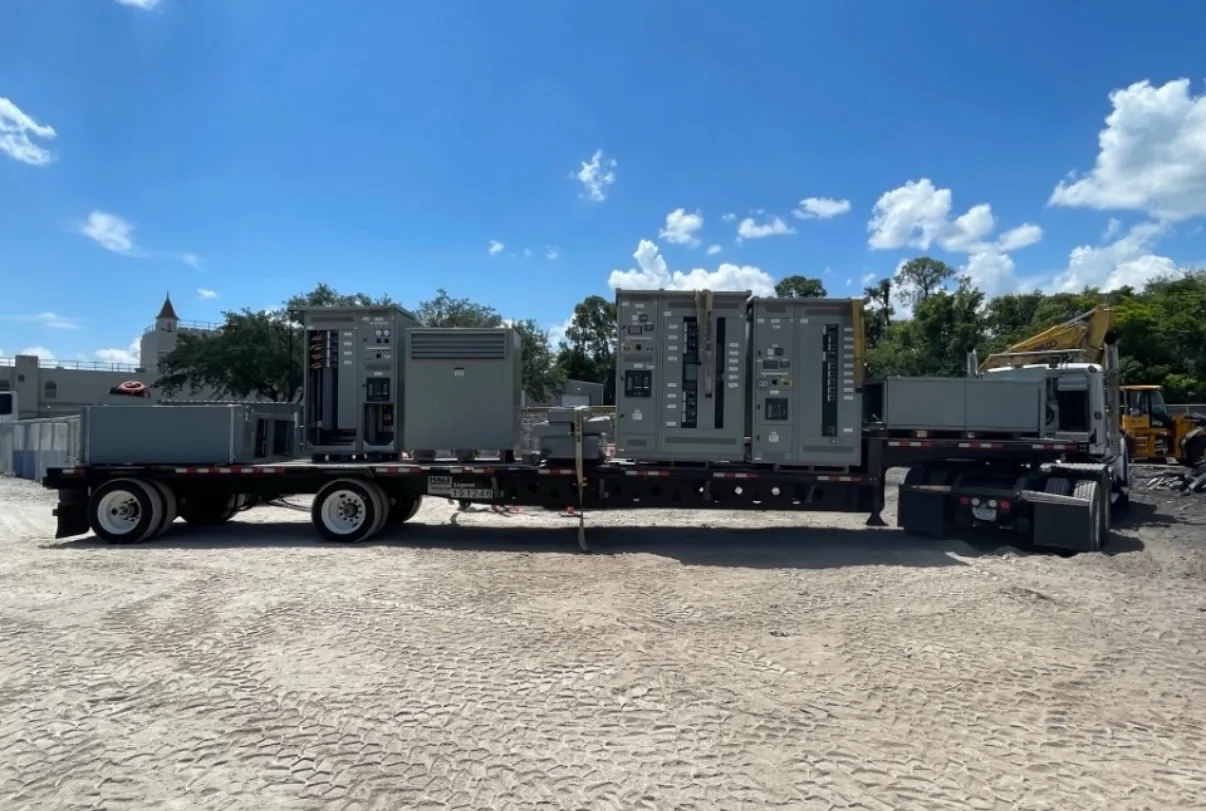
For a Winnemucca delivery, receiving and installation constraints should be considered alongside the construction schedule. Confirm the delivery address and site contact, receiving hours, truck access, turning and staging space, unloading equipment, and the route from the receiving area to the electrical room. Check door openings, corridor turns, floor conditions and any limits on lifting or movement. These details can influence how an assembly is arranged for shipment and whether it needs to be divided into sections.
Section shipping limits and final lineup assembly should be coordinated before release for manufacture. The project team should verify how sections will be moved, joined and connected at the site, and whether the proposed plan fits the available access and installation window. A staged shipment or a compact configuration is not automatically feasible; confirm it against the equipment design, transport plan and site conditions.
Information for a University Switchgear Quote
A useful quotation package includes the current one-line diagram, equipment schedules, specified system voltage and required equipment ratings, fault-current information when established by the design, service and feeder details, metering scope, and applicable project specifications. Include enclosure and environmental requirements, cable entry preferences, control or communications interfaces, known room and access constraints, and the desired construction sequence. Identify which requirements are fixed and which remain under engineering review.
Ratings describe equipment capability and are not interchangeable with system voltage; each must be evaluated for the application. UL 891 applies to applicable low-voltage switchboards, not to every switchgear product or voltage class. Confirm the requested equipment type, rating basis and listing needs for the specific design. Assemblies use all-American components, are built in the USA, and support short lead times and nationwide shipping; project timing and configuration should be confirmed during quotation and engineering coordination.