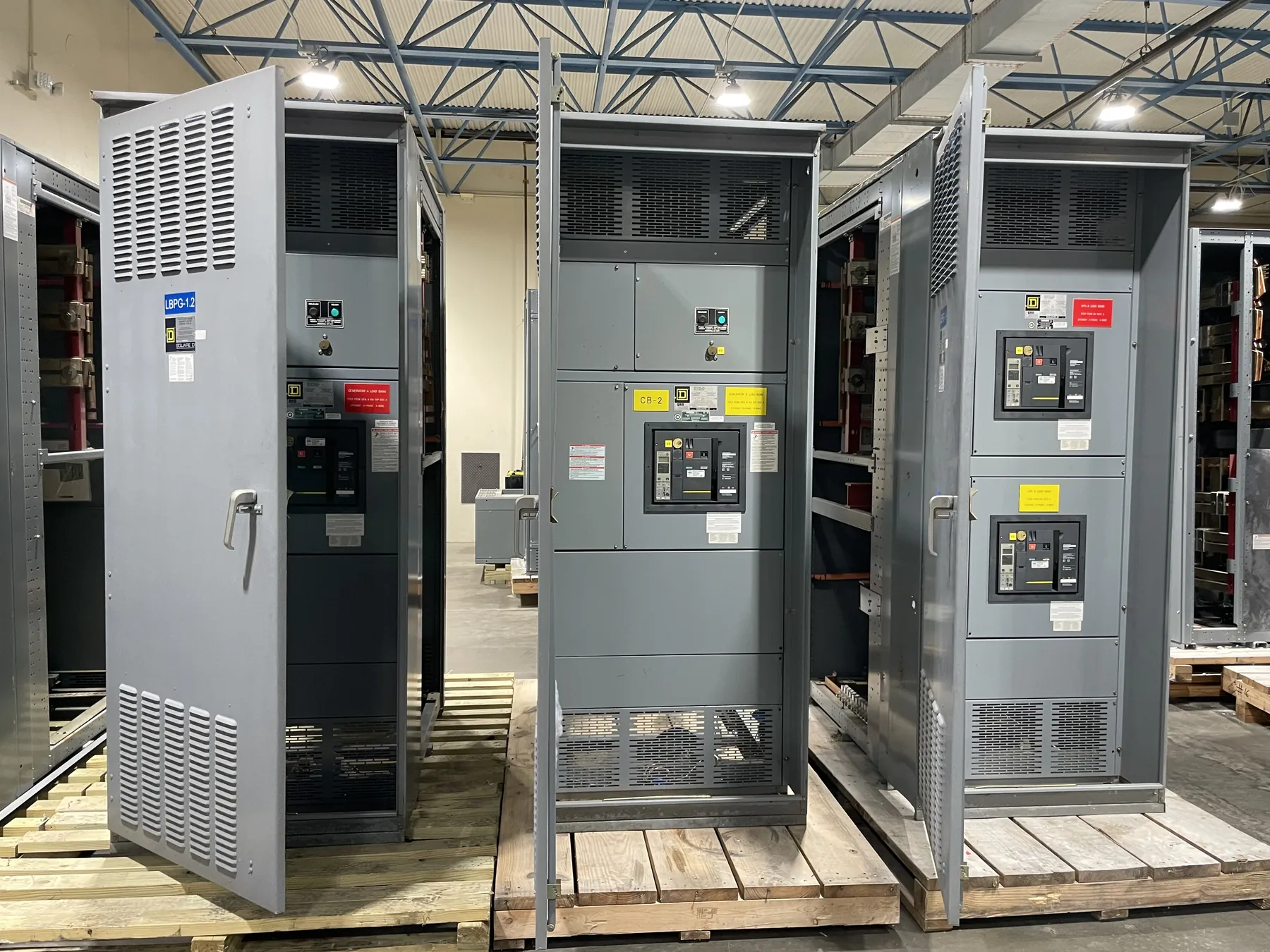
Pad-Mounted Switchgear for Tonopah, Nevada Projects
Pad-mounted switchgear can place switching and protective equipment outdoors near the circuits it serves, while a grounded enclosure helps shield internal components from weather and unauthorized access. For a Tonopah project, the right configuration depends on the electrical system, utility or facility requirements, site conditions, and how crews will reach the equipment for inspection and maintenance. Enclosure dimensions, compartment arrangement, operating features, and electrical ratings should be established from the project design—not selected from location alone.
We manufacture new custom power-distribution equipment in the United States using all-American components. We can review project requirements for pad-mounted switchgear intended for Nevada, with nationwide shipping. A useful first step is to identify whether the equipment serves a utility interface, a customer-owned distribution system, or another defined application. Those arrangements can have different requirements for switching, protection, metering, access, and approval.
Enclosure Layout, Site Exposure, and Access
Outdoor enclosures must suit both the electrical arrangement and the actual site. The project team should account for the equipment footprint, door and operating-space clearances, adjacent structures, vehicle routes, and the space needed for installation and future service. A compact layout may reduce the pad area, but only if compartment separation, cable bending space, and required access remain workable.
Tonopah conditions should be evaluated using project-specific environmental information. Confirm the site’s actual altitude, expected temperature range, exposure to wind-driven dust or moisture, and any other relevant environmental factors before finalizing enclosure construction and equipment ratings. Do not assume a general regional description substitutes for site data. Temperature limits and altitude can affect equipment selection or application, so they should be reviewed by qualified engineers against manufacturer requirements.
Foundation Design and Cable Entry Coordination
The concrete foundation is part of the equipment interface. Its dimensions, loading assumptions, anchoring details, finished elevation, and openings or provisions for cables need to coordinate with the final enclosure drawings. Foundation design should also consider drainage and the surrounding grade so water is not directed toward the equipment or allowed to collect around cable openings. Civil and electrical teams should resolve these details before construction.
Cable entry arrangements depend on the feeder layout and the selected switchgear configuration. Bottom entry is common for pad-mounted equipment, but the project design must confirm the entry direction, quantity and type of cables, conduit positions, and available bending space. Cable size and termination requirements influence compartment dimensions and working room. Confirm these interfaces with the cable and termination specifications; do not rely on assumed opening locations or field adjustments to make an incompatible layout fit.
Utility Interfaces and Switching Requirements
Where the equipment connects with a utility system, the utility’s service requirements and review process are important design inputs. Confirm the point of connection, incoming and outgoing circuit arrangement, switching functions, metering or other interface needs, and any required access or compartment provisions. Utility preferences vary, and a configuration suitable for one service arrangement may not meet another provider’s requirements.
For customer-owned distribution, the design team should define how the switchgear coordinates with upstream and downstream equipment, protective devices, grounding, and the facility’s operating plan. The intended switching and protection functions must be clear before the equipment is configured. Utility acceptance, interconnection approval, or other project authorization should not be presumed; the responsible parties must confirm applicable requirements for the specific installation.
Ratings, Protection, and Project Documentation
Equipment ratings are not the same thing as system voltage. Selection requires review of the system’s nominal voltage and grounding arrangement, available fault current, insulation requirements, continuous-current needs, switching duties, and the specific functions assigned to the equipment. The design engineer should establish the applicable values and confirm that the selected devices, bus, terminations, and enclosure configuration are suitable as an assembly for the intended application.
Rating details, product listings, and project-specific requirements require confirmation for the particular design. UL 891 applies to applicable low-voltage switchboards; it should not be treated as a blanket standard for pad-mounted switchgear or other equipment. The project team should identify the standards and approvals that actually apply, then review drawings and submittals against those requirements. Final equipment selection should follow qualified engineering review and site evaluation.
Information to Provide for a Tonopah Quote
Clear inputs help establish a practical configuration and reduce avoidable revisions. Provide the one-line diagram, system voltage and grounding information, available fault-current data, desired switching and protection functions, cable details, utility interface requirements, and any project specifications. Include site information such as altitude, temperature limits, foundation concept, cable routes, access constraints, and planned installation sequence. If some values are pending, identify them as open items rather than treating estimates as approved design criteria.
Access and logistics deserve early attention in Tonopah. Confirm the route from the delivery point to the foundation, turning and staging space, site restrictions, and who will coordinate offloading and placement. Remote or constrained access can affect packaging, delivery planning, and installation coordination, even when the electrical design is settled. Our team can review the specified requirements for newly manufactured equipment and coordinate shipment nationwide; the project schedule and delivery arrangements depend on confirmed scope and logistics.