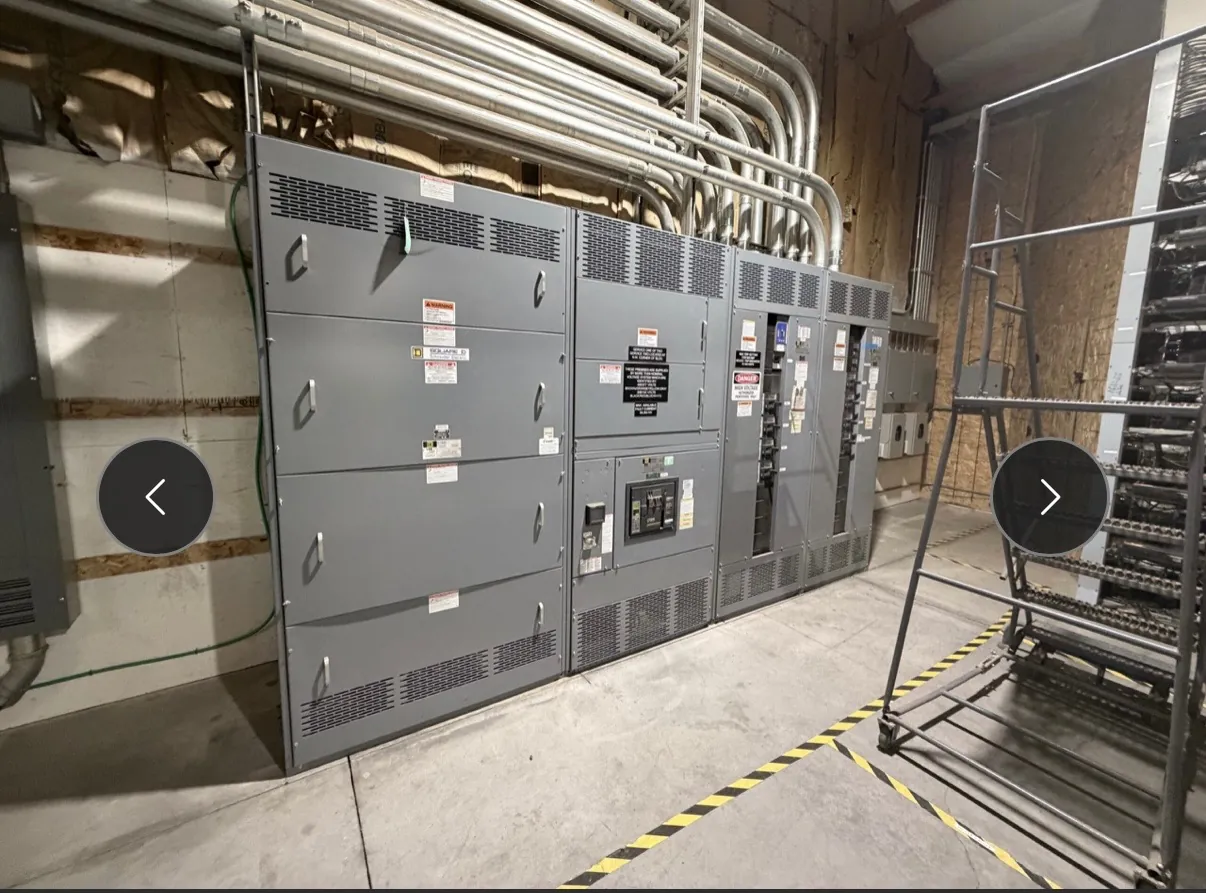
Wastewater Switchgear for Tonopah Pumping and Treatment Facilities
Wastewater electrical distribution in Tonopah must be planned around the actual process loads and site conditions—not a generic equipment package. Pump stations and treatment facilities can have different motor sizes, starting methods, operating sequences and standby-power needs. A custom switchboard or switchgear assembly can be configured to suit the project’s documented one-line diagram, equipment schedule and control interfaces. Final selection depends on engineering review of the system, installation environment and applicable project requirements.
For a Tonopah project, confirm the facility location, equipment-room arrangement and access route before settling on an assembly configuration. Site access can affect shipping, unloading and movement into the electrical room, while available floor space and cable-entry direction can influence lineup dimensions and section layout. These details should be coordinated early so the equipment can be specified for the actual installation rather than adjusted around unverified assumptions.
Motor Loads, Pump Sequencing and Distribution Layout
Pump and process motors shape the electrical distribution design. The project team should identify each load, its electrical characteristics, how it starts, and whether it operates continuously, intermittently or as part of a sequenced group. Those inputs help engineers determine feeder arrangements, protective-device requirements and the way the assembly interfaces with motor-control equipment. Switchgear or switchboards distribute and protect power; they do not, by themselves, establish a pump’s operating logic or replace the controls specified for the process.
Coordination also matters when several pumps share a source or when equipment alternates between duty and standby roles. The design should account for the intended operating modes and the electrical consequences of starting or transferring loads. Control panels, motor starters or drives, instrumentation, and supervisory systems may be supplied separately or by other project parties. Their boundaries, signal requirements and responsibility for interconnection should be documented to avoid gaps between the distribution equipment and the wastewater process controls.
Standby Power and Transfer-System Interfaces
Where a facility requires standby generation, define which loads are intended to remain available during an outage and how they are prioritized. The generator, transfer equipment, switchgear, protective devices and facility controls must be considered as a coordinated system. Essential pumping needs may differ from nonessential process or building loads, so the specified operating sequence should come from the project’s electrical and process engineers rather than being assumed during equipment selection.
Useful quotation and design inputs include the available electrical service information, generator data when applicable, one-line diagram, load schedule, transfer arrangement, control-interface requirements and any specified fault-current or coordination studies. The manufacturer can use approved project information to develop an equipment configuration, but system suitability and protective-device settings require review by qualified electrical professionals familiar with the installation.
Moisture, Corrosion and Enclosure Selection — Wastewater Switchgear in Tonopah, NV
Wastewater facilities may expose electrical equipment to moisture, condensation, washdown, corrosive atmospheres or other environmental conditions, but exposure varies by room and installation location. Describe the actual conditions for the proposed equipment, including whether it is indoors or outdoors and whether nearby processes create a particular hazard. An enclosure rating should be selected for the conditions it must address; it should not be inferred from the industry label or treated as a guarantee against every form of moisture or corrosion.
Enclosure material, finish, ventilation, cable-entry details and equipment placement may all affect durability and heat management. A more restrictive enclosure can change cooling and layout considerations, while openings and field connections must remain consistent with the selected rating. Provide the environmental requirements and installation details for engineering review rather than choosing a rating solely by appearance or by copying an unrelated facility specification.
Tonopah Site Conditions and Equipment Ratings
Before finalizing ratings and enclosure details for a Tonopah installation, confirm the project’s actual elevation, temperature limits and access arrangements. Altitude and ambient temperature can affect equipment application and allowable operating conditions, so the project team should compare site data with the manufacturer’s equipment limits. Do not rely on regional averages where a facility-specific value is available. The equipment schedule, specification and design review should resolve any adjustments required for the documented conditions.
Electrical ratings also require careful distinction. A voltage rating is not the same as a current rating, and neither alone establishes suitability for the available fault conditions or the complete system. Confirm the system voltage, frequency, bus and feeder requirements, interrupting or withstand requirements as applicable, and the project’s listing expectations. UL 891 applies to applicable low-voltage switchboards; it does not establish that every switchgear product or voltage class falls within its scope. Product ratings, listing status and project compliance must be verified for the specific assembly and application.
Information for a Project-Specific Quote — Wastewater Switchgear in Tonopah, NV
A useful inquiry begins with the project’s current drawings and specifications, the required equipment scope, anticipated loads, service and standby-power details, environmental conditions, and installation constraints. Include the intended shipping destination and any known unloading or room-access limitations so logistics can be considered without assuming conditions at the site. Identify interfaces with controls, generators, motor equipment and other vendors, along with submittal or coordination requirements established by the project.
Equipment is manufactured new in the United States using all-American components and can be shipped nationwide, including to Nevada. Lead time depends on the confirmed design, component requirements and project schedule; it should be established during quotation rather than presumed. A complete, coordinated scope helps the project team evaluate the assembly and resolve open technical questions before release for manufacture.