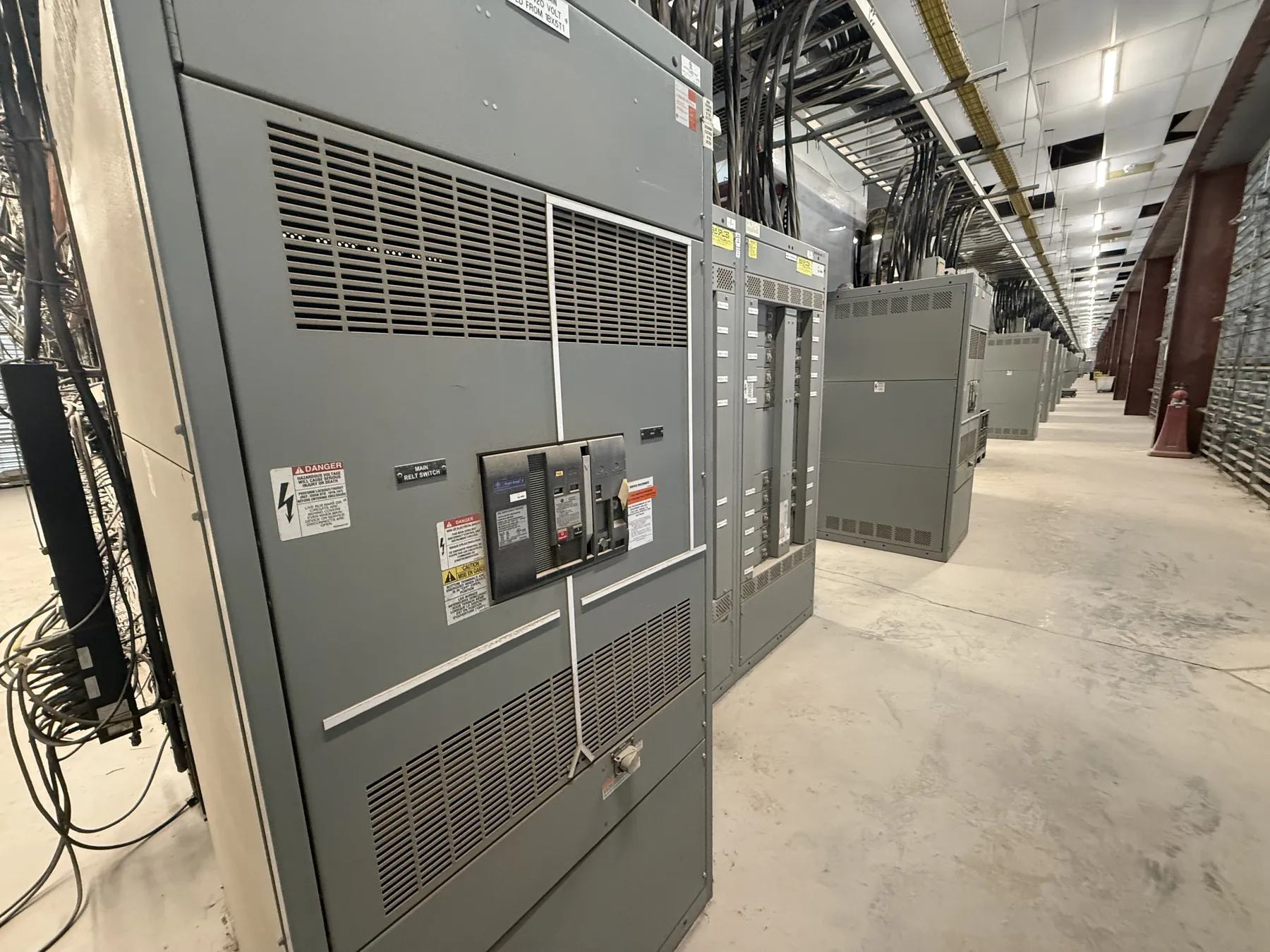
University Switchgear Planning for Tonopah, Nevada
University electrical distribution projects in Tonopah call for coordination between campus facilities staff, electrical engineers, contractors and equipment manufacturers. A replacement switchboard or new feeder lineup has to fit the electrical design and the way the campus operates: which buildings must remain in service, when outages can occur, and how construction access will be managed. The right equipment configuration depends on the project drawings, existing system information and site conditions—not on the city name alone.
For Tonopah projects, confirm the actual equipment location, elevation, ambient temperature range, indoor or outdoor exposure, and access route before finalizing the enclosure and ratings. These conditions can affect equipment selection, installation planning and handling. Shipping to Nevada is available nationwide from a U.S. manufacturer, but receiving constraints, unloading arrangements, door clearances and the path from delivery point to electrical room should be identified early. Do not assume a particular access arrangement or environmental condition without site review.
Campus Feeders, Building Loads and System Interfaces
Campus distribution can connect central electrical rooms to academic buildings, laboratories, residence facilities and support spaces. Engineers should establish which feeders the new assembly must serve, how they relate to existing distribution, and whether the work is a replacement, an expansion or a change in system arrangement. Existing one-line diagrams, equipment schedules, available fault-current information and field-verified conditions help define those interfaces.
Feeder quantity and configuration influence lineup dimensions, breaker selection, bus arrangement and future provisions. Space for spare or future circuits may be useful, but it should be based on an approved campus plan rather than added without consideration of room dimensions, electrical design or project scope. Confirm system voltage, required ratings and protective-device coordination with the responsible design professionals. Equipment ratings are not the same as system voltage, and all ratings and project details require review against the actual application.
Laboratories, Sensitive Loads and Metering
Laboratory spaces may have specialized equipment, ventilation, environmental controls or research loads that campus teams cannot interrupt casually. Identify which loads require continuity, which can be transferred or shut down, and what temporary arrangements the project design permits. The manufacturer can build to the approved specifications, but the electrical engineer and campus representatives must determine load requirements, protection, grounding and any required transition strategy.
Metering needs should be defined by purpose. A campus may need measurement at a main distribution point, at selected feeders or at individual building interfaces; those choices affect instrument transformers, meters, communications and available space. Specify the desired measurements, reporting interfaces and responsibility for integrating data into campus systems. Confirm compatibility with existing monitoring equipment and controls instead of assuming that a meter or communications protocol will work with the installed network.
Staged Renovation and Campus Operations
Phased work can help a university coordinate construction with classes, laboratory schedules, residence occupancy and essential building services. Before equipment is released for manufacture, establish the intended outage windows, sequence of feeder transfers, temporary power needs and boundaries between contractor work and operating campus systems. These are project-planning matters that require qualified engineering and site review; a switchgear manufacturer cannot determine an acceptable outage or safe work method from a general description.
Room conditions also shape replacement planning. Record the existing lineup dimensions, cable entry locations, working clearances shown by the design, door and corridor restrictions, floor and housekeeping-pad details, and any overhead obstacles. Compare those measurements with the proposed assembly and its shipping sections. If the renovation changes feeder routing or equipment placement, review cable bending space, termination access and coordination with adjacent gear before the layout is finalized.
Ratings, Listings and Environmental Selection
Specify the system voltage separately from the equipment ratings, then confirm interrupting, short-circuit and other applicable ratings through the project engineer’s design. Requirements depend on system conditions and the equipment’s position in the distribution network. Do not infer a suitable rating from a campus building type or from an existing nameplate alone; existing information should be checked against current project conditions.
UL 891 applies to applicable low-voltage switchboards, not to every switchgear assembly or to medium- and high-voltage equipment. Any required listing, standard, construction type and scope must be confirmed for the specific product and project. Likewise, Tonopah’s actual altitude and temperature limits should be verified before enclosure and rating decisions. Site review may also identify dust, moisture, sun exposure or other conditions relevant to the specified installation.
Quotation Inputs for a Tonopah University Project
A useful quotation package includes the one-line diagram, equipment schedule, system voltage, specified ratings, feeder and breaker requirements, metering scope, enclosure and entry preferences, applicable project standards, and the requested listing or compliance requirements. Include room plans, verified access dimensions, environmental conditions, delivery point and anticipated project milestones. Note which information is final and which remains subject to engineering review so assumptions are visible before design and manufacturing proceed.
The manufacturer builds new custom power-distribution equipment using all-American components and supports short lead times, with shipment available nationwide. Actual schedule depends on the confirmed scope, approved submittals and project coordination; no delivery date should be assumed before those details are reviewed. Early communication among university facilities staff, the engineer, contractor and manufacturer helps align the equipment with campus feeders, laboratory needs, metering expectations and the practical conditions at the Tonopah site.