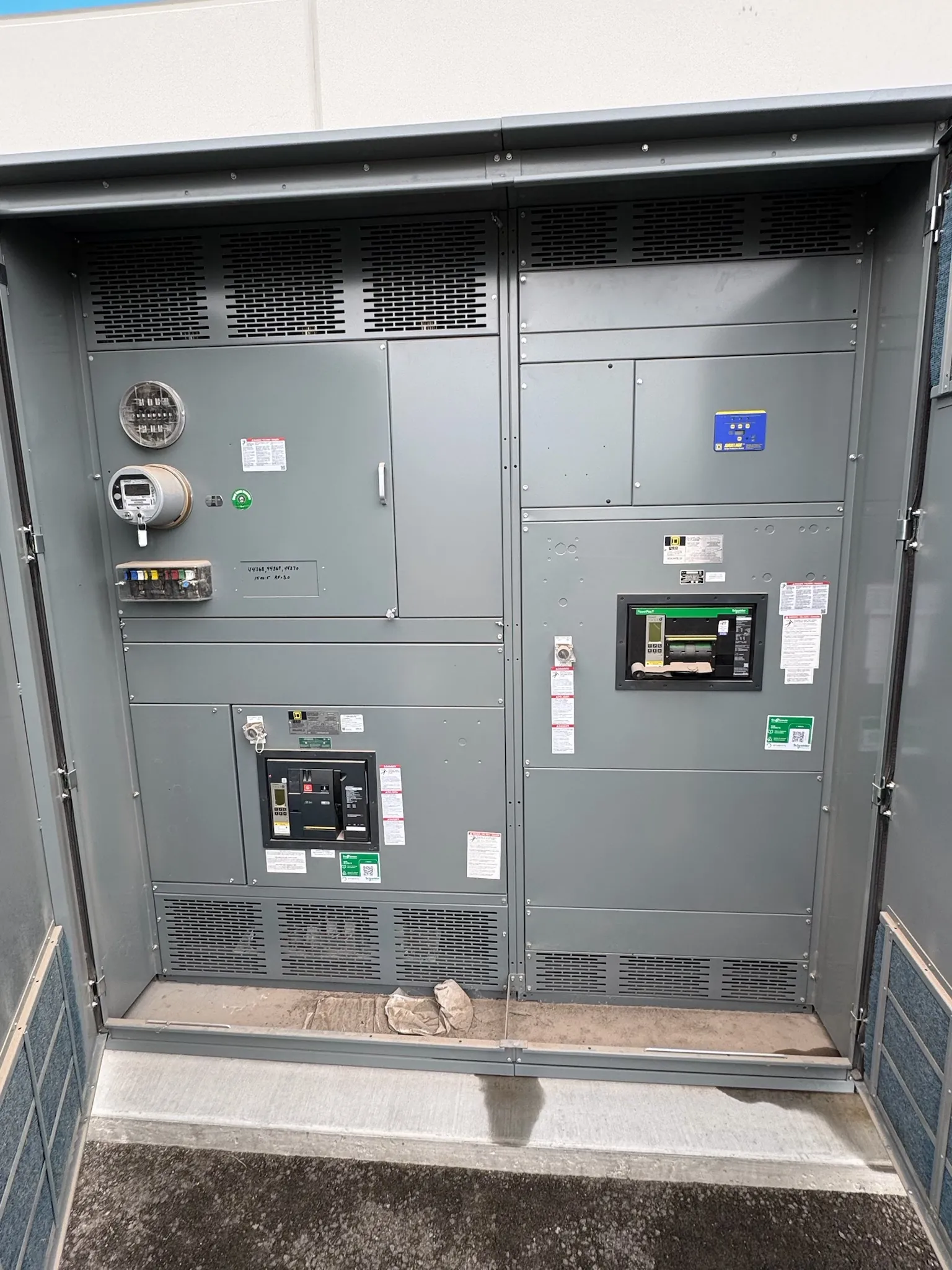
Mining Switchgear for Tonopah, Nevada Operations
Mining electrical distribution in Tonopah has to reflect the actual loads and conditions at each facility—not a generic mine profile. A distribution lineup serving process equipment may face different starting demands, operating cycles, and continuity requirements from one supplying ventilation, pumping, crushing, or site services. Custom switchgear and power-distribution equipment can be configured around those duties, with feeder arrangements and protective-device provisions developed from project engineering information. The manufacturer builds new equipment in the United States using all-American components and ships nationwide, including to Nevada. Final configuration still depends on qualified engineering review and confirmed site requirements.
Define Motor and Feeder Duties Before Selecting the Lineup
Start with a load schedule that identifies each motor and feeder, its function, electrical characteristics, starting method, expected operating pattern, and importance to the process. Large motor starts or groups of loads operating together can influence feeder organization, protective-device selection, and coordination with upstream and downstream equipment. A drive-fed motor also presents different interface and protection questions from a motor connected through a conventional starter. Share the relevant drive, starter, transformer, and control-system information so the design team can identify where equipment boundaries and responsibilities fall.
Not every mining load should be treated as equally critical. Project engineers may need to distinguish process-essential loads from loads that can be interrupted, and determine whether separate sections, dedicated feeders, or provisions for future expansion make sense. These are design questions, not assumptions to resolve from a general description of the facility.
Coordinate Fault Protection Across Mine Distribution
Switchgear protection must fit the available fault-current information and the broader distribution system. Useful quotation and engineering inputs include the one-line diagram, source and transformer data, upstream protective-device information, conductor details, and available short-circuit and coordination studies. If those studies are incomplete or changing, identify that early. Equipment ratings and protective-device selections require confirmation against the actual system and applicable project requirements.
Coordination involves more than choosing a device by its nominal rating. Engineers must evaluate how protective devices interact, what loads they serve, and the consequences of an interruption. Provide operating scenarios that affect the system, such as alternate sources or planned changes in generation and distribution, where applicable. A switchboard or switchgear assembly rating is not the same as the system voltage; both must be established and reviewed for the specific equipment and installation. UL 891 applies to relevant low-voltage switchboards, not every type of mining switchgear or every voltage class. Any required listing or standard must be confirmed for the proposed product and application.
Account for Dust, Ventilation, and Enclosure Conditions
Mining sites can expose electrical equipment to airborne dust, process residue, moisture, vibration, and maintenance activity. Describe the actual installation area rather than relying on the word “mine”: indoor electrical room, process building, surface installation, or another setting can present different enclosure and access needs. Explain how dust is generated and managed, whether ventilation filters or room pressurization are planned, and whether washdown, corrosive substances, or condensation are possible. These details help engineers assess enclosure construction, cooling approach, entry arrangements, and service clearances.
A more sealed enclosure can limit ingress but may affect heat dissipation and access; ventilation openings can support cooling but require consideration of the surrounding environment. The appropriate balance depends on equipment losses, room conditions, maintenance practices, and applicable environmental requirements. Do not finalize enclosure selection from a general dust description alone.
Verify Tonopah Altitude, Temperature, and Site Access
For a Tonopah project, confirm the actual installation elevation and the temperature range expected at the equipment location. Elevation can affect electrical and thermal design considerations, while temperature limits influence component selection and heat management. Outdoor exposure, room temperature, solar loading, and ventilation performance may differ across areas of one site. Provide the intended operating environment and any project-specific limits before the design is finalized; location by itself does not establish the conditions the equipment will experience.
Access arrangements matter as well. Identify the delivery route, unloading capabilities, door and corridor dimensions, equipment-room layout, and any limits on assembly size or movement. Nevada delivery can be coordinated from a U.S. manufacturer, but actual shipping and placement requirements depend on the site and equipment configuration. Early access information can help avoid designing a lineup that is difficult to receive or position.
Prepare a Useful Mining Switchgear Quotation Package
A focused quotation request should include the one-line diagram, load and motor schedules, system voltage, required equipment ratings, fault-current information, protection or coordination requirements, enclosure location, environmental conditions, and applicable project specifications. Add control and communications interfaces, metering needs, cable entry preferences, spare or future feeder provisions, and dimensional or access constraints. Flag open engineering items so they can be resolved rather than treated as confirmed facts.
Custom manufacturing supports a configuration shaped around the project, but lead time depends on finalized scope, component selection, engineering review, and production requirements. Sharing complete and current documents helps identify conflicts early and supports a practical design discussion. Final ratings, listings, protective-device coordination, and installation details must be confirmed by qualified professionals using the project documents and site conditions.