Low-Voltage Switchgear Choices for Sparks Facilities
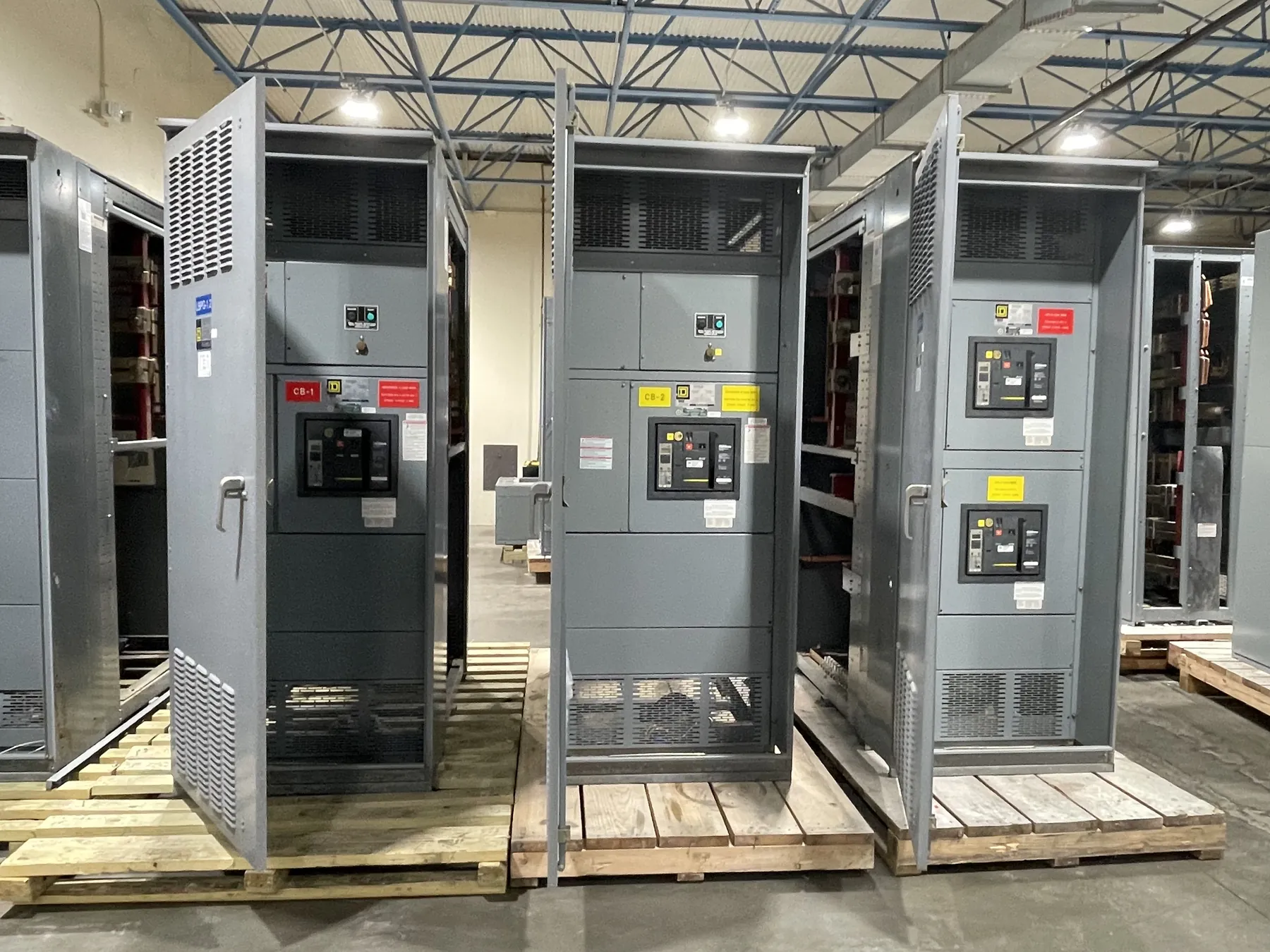
Low-voltage switchgear for a Sparks project should be selected around the facility’s electrical system, load profile and operating priorities—not just the nominal system voltage. Low-voltage power circuit breaker switchgear can provide a lineup of drawout breakers, protective devices, bus and metering arranged for the project. The right configuration depends on the service and distribution plan, expected load growth, available space, and the owner’s approach to inspection and maintenance.
Start by distinguishing system voltage from equipment ratings. Voltage describes the electrical system; ratings describe equipment capabilities and must suit the application. Ampacity, interrupting capability, short-time withstand, enclosure details and other requirements need confirmation against project documents and engineering review. No single rating or arrangement can be assumed suitable for every Sparks facility.
Compare Breaker Arrangements and Maintainability — Low-Voltage Switchgear in Sparks, NV
Power circuit breaker arrangements can be tailored to separate incoming service, bus sections and outgoing feeders, subject to the one-line diagram and operating scheme. A single-ended lineup may suit a straightforward distribution arrangement, while a sectionalized bus can support different operating or maintenance objectives. Tie breakers and alternate sources add switching and coordination considerations; they should be specified only when the system design calls for them.
Drawout breakers can make inspection and servicing more manageable than equipment that requires a different access approach, but the overall lineup matters just as much. Review breaker access, compartment layout, cable entry, lifting or handling constraints, clear working space and the planned maintenance strategy. The building’s electrical room dimensions, doorways and routes from receiving to final placement can affect how sections are configured and transported.
Bus Ratings and System Interfaces
Bus selection is not simply a matter of matching a service nameplate. The design team must establish the required bus rating and evaluate fault duty, temperature conditions, lineup configuration and connection details. Incoming conductors, feeder sizes, termination provisions and neutral or grounding arrangements should align with the project’s electrical design. Changes to the source, transformer or distribution scheme can affect equipment requirements and should be reviewed before the specification is finalized.
For Sparks facilities, site conditions can also shape enclosure and installation choices. Confirm the intended indoor or outdoor location, available floor space, access for installation, environmental exposure and any project-specific enclosure requirements. Shipping equipment to Nevada is part of the planning picture: receiving access, unloading arrangements and the route to the electrical room should be considered early, without assuming a particular site layout.
Coordinate Available Fault Current and Protection
For a Sparks project, obtain the available fault current at the equipment connection point from the responsible electrical engineer or utility coordination process. That value, along with system configuration and equipment characteristics, helps determine whether the proposed switchgear can meet the required fault-duty criteria. Do not infer the needed interrupting or withstand rating from voltage alone.
Protective-device coordination should account for the upstream source and downstream loads, including feeder protection and significant equipment characteristics where applicable. Breaker trip functions and settings must be evaluated as part of the engineered system, not selected in isolation. A coordination study or other project analysis may identify requirements for selectivity, equipment protection or operational priorities. Changes to downstream loads or protective devices can alter the coordination picture and warrant review by qualified professionals.
UL 1558 and Applicable Documentation
UL 1558 may be relevant to low-voltage metal-enclosed power circuit breaker switchgear when the project specification and product scope call for it. It should not be treated as a blanket statement about every low-voltage assembly or other equipment category, and no listing should be assumed from a general product description. Confirm the applicable standard, requested listing, construction scope and documentation for the specific proposed equipment.
Project drawings and specifications should identify service characteristics, breaker functions, bus requirements, metering and control interfaces, cable entry, enclosure needs and any required accessories. Ratings, listings and interface details require confirmation during engineering and quotation review. Clear documentation helps the project team compare proposals on the same technical basis.
Prepare a Practical Switchgear Quotation
Useful quotation inputs include the one-line diagram, available fault current at the connection point, load and feeder information, project specifications, room dimensions, source details and delivery requirements. Note any planned expansion, alternate-source arrangement, metering needs or constraints on access and installation. If documents are preliminary, identify open design questions so they can be resolved rather than converted into assumptions.
The manufacturer builds new custom power-distribution equipment using all-American components, with short lead times supported and nationwide shipping available. Actual design, applicable ratings, listing status and schedule depend on the confirmed scope and project review. For Sparks customers, sharing site and engineering information early helps align the low-voltage switchgear lineup with the facility’s distribution plan and installation conditions.