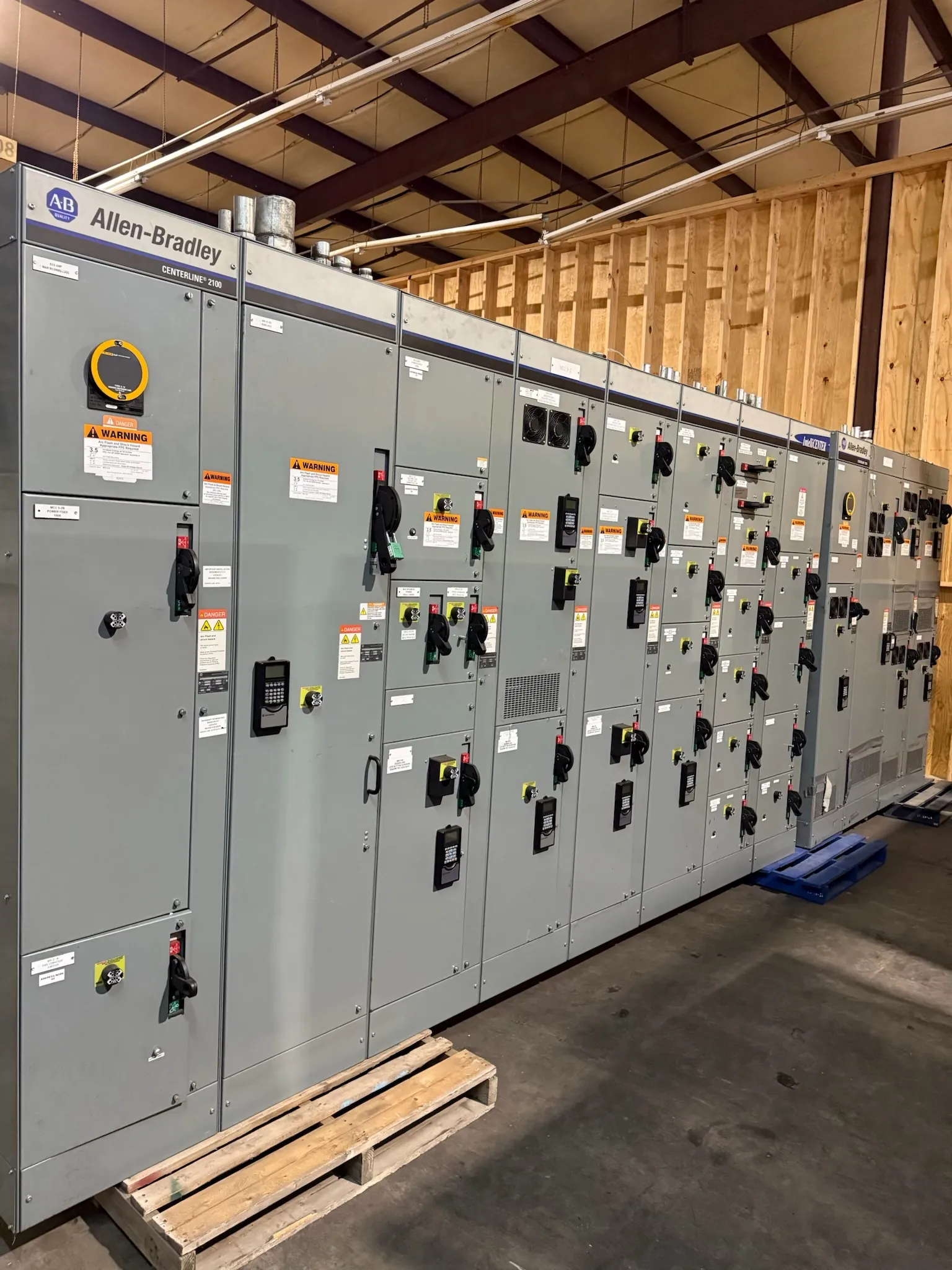
University Switchgear Planning for Reno Campuses
University electrical distribution serves a mix of buildings, schedules and load types. A campus project may involve teaching spaces, research laboratories, residence halls, libraries, central utility facilities or a new building tied into an existing distribution network. Each setting presents different continuity, access and coordination needs. For Reno projects, begin with the campus’s documented electrical design criteria and an understanding of how the proposed equipment connects to existing feeders, transformers and downstream panels.
New custom switchgear and power-distribution equipment can be configured around the project’s requirements. The appropriate arrangement depends on the system design, available fault-current information, load characteristics, expansion plans and the installation environment. Equipment selection and electrical design should be reviewed by qualified engineers familiar with the site and applicable requirements.
Campus Feeders, Distribution Boundaries and Expansion
Map each feeder’s source and destination before establishing a switchgear scope. Confirm whether the equipment will serve one building, a group of facilities or a defined portion of campus distribution. Existing one-line diagrams, transformer information, feeder schedules and panel documentation help identify connection points and clarify which existing equipment remains in service.
For a campus anticipating future construction or load growth, consider how the lineup can accommodate planned feeders, metering or distribution sections. Space for future provisions must be coordinated with the room layout, cable entry, bus arrangement and the electrical design; an open space in a lineup is not, by itself, a complete expansion plan. The design team should also establish which distribution boundaries belong in the new equipment and which remain downstream or elsewhere on campus.
Laboratory Loads and Sensitive Building Functions
Laboratories can combine general receptacle loads with specialized equipment, environmental systems and building services that have distinct operating requirements. Gather load schedules and equipment information early, including known large or noncontinuous loads and any planned changes. The engineer can use these inputs to assess feeder allocation, distribution architecture and the need for separate metering or other provisions.
Discuss how the project will handle maintenance and planned interruptions. Some campus functions may have operational constraints that affect outage windows or the order of construction, but continuity provisions must follow the project’s actual design criteria. Do not assume that a particular switchgear configuration provides uninterrupted service or serves as a transfer system; those functions require explicit design and equipment review.
Metering, Monitoring and Campus Interfaces
Decide what the campus needs to measure and where those measurements will be used. The scope may call for incoming or feeder-level metering, but requirements depend on the facility’s energy-management approach, utility and campus interfaces, and project specifications. Clarify instrument, communication and enclosure requirements with the design team rather than treating metering as a standard feature of every lineup.
Coordinate monitoring interfaces with campus controls and information-technology stakeholders. Identify the required signals, communication method and responsibility for network integration. Also confirm boundaries between switchgear, protective devices, downstream equipment and control systems so that drawings and specifications describe compatible interfaces. Metering and monitoring provisions do not replace the need for appropriate protection or qualified engineering review.
Staged Renovation in Active University Facilities
Renovation sequencing can be as important as the final equipment arrangement. Campuses may need to keep adjacent spaces operating while construction proceeds, restrict access to electrical rooms, or schedule work around academic and research activities. The project team should identify construction phases, temporary distribution assumptions, outage constraints and the party responsible for each tie-in. These are planning inputs, not a substitute for site-specific procedures developed by qualified personnel.
Verify room dimensions, door and corridor clearances, access routes, cable approach and working-space requirements against the actual site and applicable design documents. Older buildings and spaces altered over time may not match record drawings. A site review can expose conflicts involving structural features, existing conduits or future maintenance access before the lineup configuration is finalized.
Reno Environmental Criteria and Equipment Ratings
For a Reno installation, confirm the actual installation altitude and the project’s ambient-temperature design criteria, then compare them with the proposed equipment ratings and manufacturer requirements. Do not infer suitability from the city name alone: conditions can vary by site and room. Where the specified environment affects equipment selection or application, document it for engineering review.
Keep system voltage, current ratings, short-circuit ratings and other equipment characteristics distinct in project documents. A rating is not the same thing as system voltage, and suitability depends on the complete application and verified site data. Applicable listings and standards also depend on the equipment type and scope; UL 891 applies to applicable low-voltage switchboards, not every form of switchgear or power-distribution equipment.
Quotation Inputs for a University Project
A useful quotation package typically includes the latest one-line diagram, feeder and load schedules, specified electrical characteristics, room and access information, environmental criteria, metering requirements, project phasing and relevant campus standards. Note open design questions rather than assuming answers. Clear documentation helps the manufacturer evaluate configuration and interfaces while leaving final design decisions to the project’s qualified engineering team.
The manufacturer builds new custom equipment in the United States using all-American components and supports short lead times, with nationwide shipping that can serve Reno projects. Confirm the applicable ratings, listings, project details, schedule assumptions and shipping arrangements for the specific scope during quotation and engineering coordination.