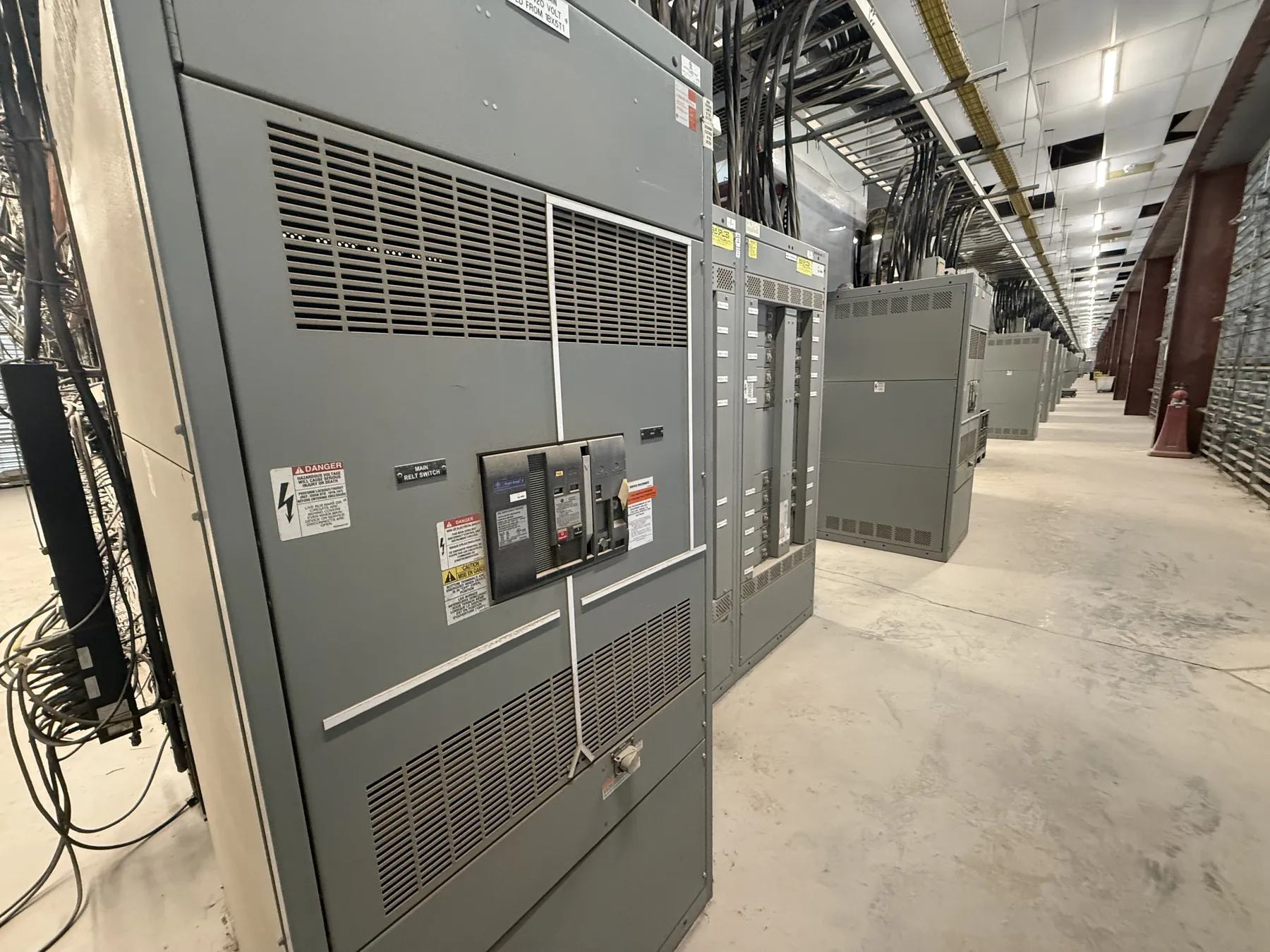
Motor Control Centers for Pahrump Facilities
A motor control center (MCC) brings motor starters, feeder devices, control components and associated connections together in coordinated sections. For a Pahrump project, the right configuration begins with the loads and the electrical conditions at the installation—not a standard lineup assumed to fit every site. Our U.S. manufacturing team builds new custom power-distribution equipment with all-American components and ships nationwide, including to Nevada. Project schedules and transportation details should be confirmed during quotation.
Industrial, commercial, water, agricultural and other facilities can have different operating patterns, motor combinations and maintenance needs. An MCC may serve a group of similar motors or a varied set of processes. We work from the project’s equipment schedule, drawings and control requirements to develop a lineup for engineering review. Final selection depends on qualified engineering, applicable requirements and conditions at the site.
Motor Starters, Drives and Control Interfaces — Motor Control Centers in Pahrump, NV
Starter selection depends on the motor, driven equipment, starting method and operating sequence. Across-the-line starters may suit some loads, while other applications call for reduced-voltage starting or a variable frequency drive (VFD). The choice can affect starting current, acceleration, process control, heat, enclosure layout and coordination with upstream power equipment.
VFD integration calls for more than reserving a compartment. The design team needs to understand drive ratings, motor and load characteristics, control signals, communications, bypass expectations and how the drive will interact with the facility’s control system. A bypass arrangement, where specified, changes the operating and protection scheme and should be evaluated for the intended process. Drive-related heat and electrical noise may also influence compartment arrangement and installation details. Confirm all interfaces with the equipment supplier and project engineer.
Short-Circuit Ratings and Feeder Protection — Motor Control Centers in Pahrump, NV
An MCC’s short-circuit rating is not the same as the facility’s nominal system voltage. The applicable rating must be compared with the available short-circuit current at the point where the assembly will be installed, using the project’s system conditions and the rating basis for the proposed equipment. For a Pahrump installation, obtain the available short-circuit current from the responsible electrical engineer or utility information as appropriate; do not assume it from a service-voltage label alone.
Feeder protection also needs to be coordinated with motor branch-circuit protection, starter or drive requirements, and upstream protective devices. The intent is to select compatible equipment and protective settings based on a reviewed system design—not simply to maximize a rating or choose devices independently. Provide the proposed one-line diagram, protective-device information and any available coordination study for review. Final ratings, device selections and coordination require qualified engineering confirmation.
Confirm Service Voltage, Grounding and UL 845
Before developing an MCC configuration for Pahrump, verify the service voltage and system arrangement at the actual site. Also confirm the grounding approach, including the grounding and bonding requirements that apply to the facility and equipment connection. These details affect equipment selection, controls, protection and the design of the complete distribution system. A project’s existing documents may not reflect later changes, so the responsible engineer should confirm current conditions.
Ask whether UL 845 is required by the project specification, authority having jurisdiction, owner or other applicable requirement. UL 845 is a product standard relevant to motor control centers; whether it applies and what listing or documentation is required must be confirmed for the proposed assembly and project. Do not infer a listing from a product description or apply one standard indiscriminately to every piece of distribution equipment. Listing status and compliance details must be verified for the specific configuration.
Maintenance Access and Pahrump Site Conditions
Plan the lineup around how staff will inspect, service and replace components, while preserving the access and working clearances required by the project design and applicable rules. Consider which sections need frequent attention, how control wiring is identified, where incoming and outgoing connections land, and whether the layout allows practical access to devices without disrupting unrelated equipment. Requirements for access and working space must be established by qualified professionals for the installation.
For Pahrump sites, share the intended indoor or outdoor location, enclosure requirements, environmental exposure and route from unloading point to the electrical room. Heat, dust, ventilation, building access and the path through doors or corridors can affect enclosure choices, placement and delivery planning. These are site-specific questions, not assumptions based on the city name. Confirm dimensions, rigging and receiving arrangements with the project team before release and shipment.
Information for an MCC Quotation
A useful quotation package includes the motor list, horsepower and load details, starter or VFD preferences, control and communications interfaces, one-line diagram, service-voltage information, grounding approach, available short-circuit current, feeder protection requirements and applicable project specifications. Include required enclosure details, physical constraints, maintenance-access expectations and any stated UL 845 requirement. Identify what is confirmed and what remains subject to engineering review.
With those inputs, the proposed arrangement can be evaluated for functional fit, ratings, protection, interfaces and installation constraints before manufacture. Our role is to manufacture new custom equipment to the reviewed project requirements; system design and final application decisions remain subject to qualified engineering and site review. Lead time, shipment planning, ratings and listing details are confirmed against the specific project rather than assumed from a general product description.