University Switchgear Planning for Pahrump, Nevada
University electrical distribution in Pahrump must be planned around the actual campus or facility, not a generic campus diagram. A project may involve academic buildings, laboratories, residence or support spaces, each with different operating schedules and consequences if power is interrupted. Start by identifying which areas the equipment will serve, which loads must remain available during renovation, and how the work connects to the existing distribution system. For a Pahrump project, confirm the service voltage, grounding approach, and available short-circuit current at the installation point with the project’s qualified electrical engineer. Those site conditions influence equipment selection and cannot be assumed from the city name alone.
Campus Feeder Layout and Distribution Boundaries — University Switchgear in Pahrump, NV
Feeder planning affects both the switchgear lineup and the campus pathways beyond it. Define the source, downstream panels or transformers, feeder destinations, and any intended division between essential and nonessential loads. Consider whether future building connections should be accommodated in the present lineup, while avoiding unused sections that add complexity without a defined purpose. The design team should also establish how feeders are identified and coordinated with campus drawings, so maintenance and future renovation work can be planned from accurate records. Existing feeder conditions, conduit routes, and available space need site review before a replacement or expansion arrangement is finalized.
Laboratory Loads, Power Quality, and Operational Priorities
Laboratory areas can combine general receptacle loads with equipment that has distinct starting, operating, or continuity requirements. Provide the design team with available equipment schedules and manufacturer data for major loads, including any documented requirements for dedicated circuits, isolation, or monitoring. Research instruments, environmental systems, and supporting mechanical equipment may not share the same interruption tolerance. The engineer can use that information to determine appropriate feeder grouping and protection coordination. Do not assume that all laboratory loads belong on one panel or that a single standby-power arrangement addresses every research need; those decisions depend on the equipment, operating plan, and project design.
Metering and Information for Campus Operations
Metering choices should reflect how the university intends to use the information. The project may call for measurement at the main service, selected feeders, or specific building distribution points, depending on energy-management goals and existing monitoring systems. Confirm what data the campus needs, where it will be collected, and how it must interface with the building management or electrical monitoring platform. Communications protocols, device locations, and responsibility for network connections should be resolved with the relevant campus teams. Metering provisions can be easier to coordinate during equipment design than after the lineup is installed, but their scope should be tied to a clear operational purpose.
Staged Renovation and Continuity of Campus Services
Renovation planning should account for academic calendars, laboratory occupancy, scheduled research work, and the availability of temporary or alternate power arrangements. Map the existing equipment and load transfers that may be needed, then identify which work can occur during planned outages and which interfaces require additional coordination. A new switchboard or switchgear lineup cannot by itself guarantee uninterrupted service; transition arrangements depend on the existing system, approved design, and site conditions. The university, engineer, contractor, and equipment manufacturer should align on connection points, dimensions, access needs, and the sequence of work before the equipment configuration is released.
Engineering Inputs, Ratings, and Equipment Scope
A useful quotation package includes one-line diagrams, service information, feeder schedules, available fault-current data, grounding details, required metering, physical constraints, and the intended scope of supply. Include applicable project specifications and any requirements for compartments, incoming arrangements, outgoing feeders, or future provisions. Ratings must be selected for the actual application: equipment voltage, current ratings, and short-circuit ratings are related design considerations, but a rating is not a substitute for confirming system voltage or fault conditions. Listings and applicable standards also depend on the equipment type and specified configuration. UL 891 applies to applicable low-voltage switchboards; it should not be treated as covering every switchgear product or voltage class. The project engineer and manufacturer should confirm ratings, listing status, and scope for the quoted assembly.
Manufactured Equipment for Pahrump Project Logistics
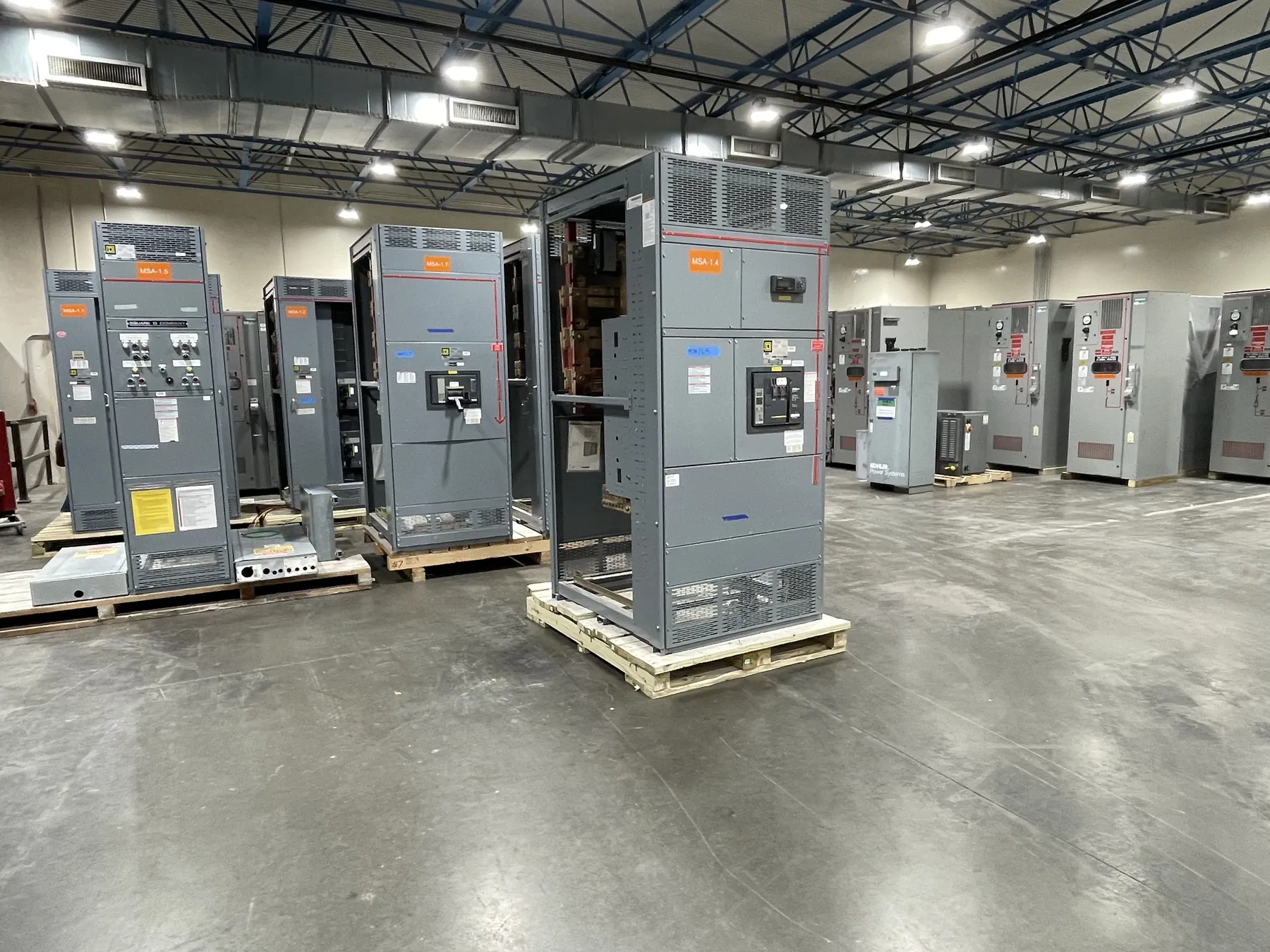
Custom switchgear and power-distribution equipment for a Pahrump project should be coordinated with the building’s delivery access, equipment-room dimensions, staging area, and installation sequence. Nevada weather and site access can affect handling plans, so the project team should verify those conditions rather than assume a delivery route or unloading arrangement. The manufacturer describes its assemblies as using all-American components, built in the USA, with short lead times and nationwide shipping. Actual schedule, configuration, and shipment planning depend on the approved project documents and order details. Sharing complete site and electrical information early helps the team evaluate feeder interfaces, metering provisions, and renovation constraints before equipment decisions are fixed.