University Switchgear Planning for Hawthorne, NV
Campus electrical distribution projects in Hawthorne call for a design that reflects how buildings are used, how power reaches them and how construction can proceed without disrupting essential operations. A university may have teaching spaces, laboratories, residence or administrative buildings, and shared utility services on interconnected feeders. The right switchgear arrangement depends on the actual one-line diagram, source configuration, load profile and site constraints—not on a generic campus template. For a Hawthorne project, start by documenting the existing distribution and identifying which facilities must remain available during each renovation phase.
Campus Feeders, Sources and Fault-Duty Review
Feeder arrangement affects isolation, future expansion and the consequences of taking equipment out of service. Confirm which sources supply the proposed assembly, whether a transfer scheme or tie is involved, and how upstream protective devices coordinate with downstream equipment. Available fault current and the equipment’s required short-circuit rating must be established by qualified project engineers using current system information. A rating is not the same as system voltage, and neither can be selected reliably from building type alone. Provide the latest one-line diagram, source and transformer data, protective-device information, and any utility or facility requirements for engineering review.
Laboratory Loads and Building Interfaces
Laboratory distribution can include equipment with distinct operating patterns, dedicated branch or feeder needs, and sensitivity to interruptions. Identify the loads that must remain on a particular source, those that can be shed or transferred, and any planned equipment additions. Coordinate switchboard or switchgear sections with feeder conduits, cable entry, grounding, metering, and downstream distribution equipment. Physical interfaces matter as much as the electrical schedule: available room dimensions, working and access clearances, door and removal paths, floor conditions, and existing cable routes can limit placement or installation sequencing. Site review should resolve these conditions before the equipment configuration is finalized.
Metering and Campus Energy Visibility
Metering requirements should be tied to how the university will use the information. Determine whether measurements are needed at the service, main distribution, individual feeder or building level, and identify the required values, communications interface and destination system. Existing campus monitoring platforms may impose protocol, point-list or network requirements. Metering provisions also affect instrument selection, compartment space, wiring and documentation, so they should be addressed during specification rather than added late. The project team should confirm which measurements are required for operations, billing allocation, energy analysis or facilities reporting; these purposes can call for different arrangements.
Staged Renovation and Continuity Constraints
Phased campus work needs coordination among facilities staff, the electrical engineer, the contractor and equipment manufacturer. Define which buildings and loads are affected in each phase, what temporary arrangements are permitted, and what access or outage windows the site can support. Establish whether new equipment must align with existing bus, feeder locations, cable entry directions or control interfaces. Hawthorne site logistics—including delivery access, staging space, route restrictions and the condition of the electrical room—should be checked with the project team. These details can influence enclosure configuration, section layout and installation planning; they should not be assumed from the city location alone.
Specification Inputs for a Hawthorne University Quote
A useful quotation package includes the project one-line diagram, equipment schedule, system voltage, source arrangement, available fault-duty information, required ratings, feeder count and sizes, metering scope, control requirements, and the applicable project documents. Include room drawings, access limitations, existing-equipment interfaces, desired construction phases and the required submittal format. Identify any governing specifications or review processes, but confirm applicability and acceptance with the responsible engineer and authority; project requirements vary. UL 891 applies to applicable low-voltage switchboards, not to every switchgear assembly or to medium- or high-voltage equipment. Any listing, rating, configuration or compliance requirement must be verified for the particular product and project.
New U.S.-Manufactured Equipment for Campus Projects
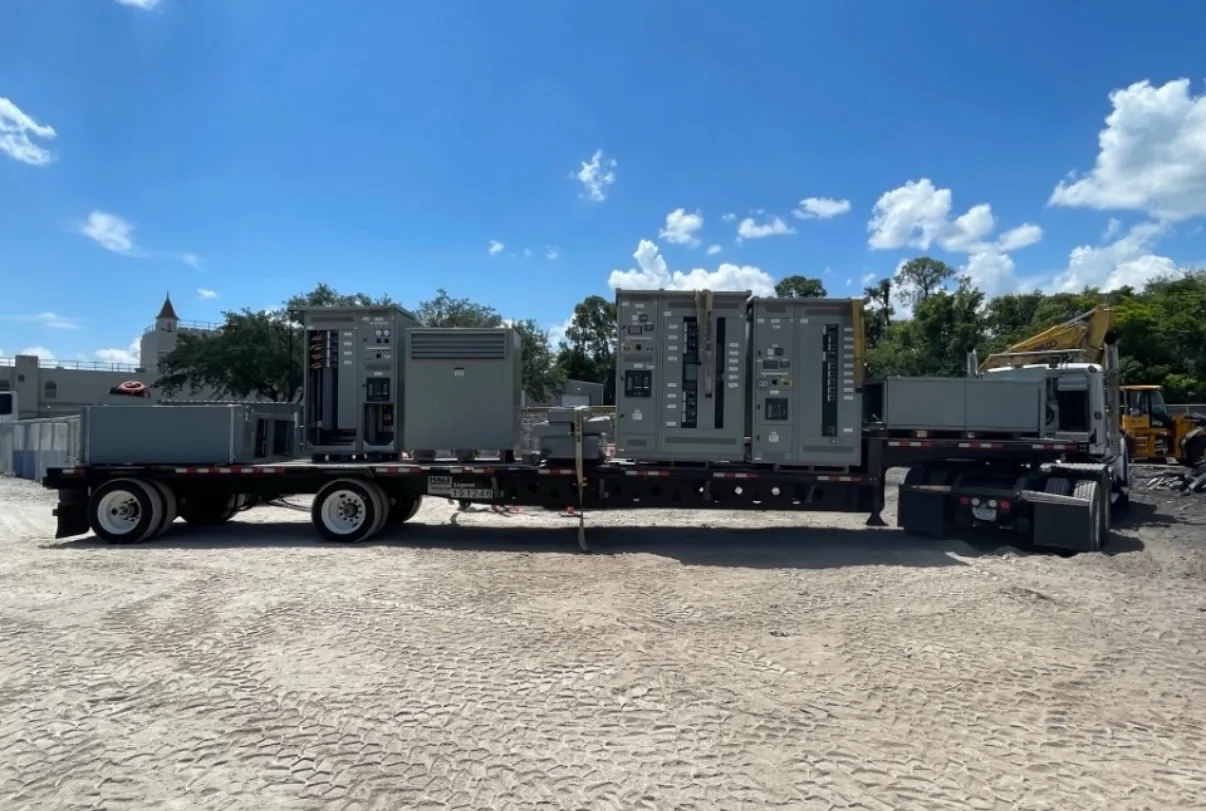
Custom switchgear and power-distribution equipment for a Hawthorne university project can be developed around the approved electrical requirements and site interfaces. Assemblies use all-American components, are built in the USA, support short lead times and ship nationwide. Final equipment selection and schedule depend on confirmed design inputs, engineering review and project coordination. The university’s qualified design team must determine the electrical design, protection approach, code requirements and site-specific safety provisions. Clear, complete documents help the manufacturer evaluate the requested configuration and identify open questions before equipment details are finalized.