Hospital Electrical Distribution for Hawthorne Projects
Hospital power distribution must support a coordinated electrical design, not just a collection of switchboards and transfer equipment. For a Hawthorne facility, the system plan starts with the hospital’s required loads, normal and alternate sources, and the way each essential electrical system branch is arranged. Those decisions affect equipment configuration, room layout, feeder routing, protective-device coordination, and how the completed installation will be commissioned.
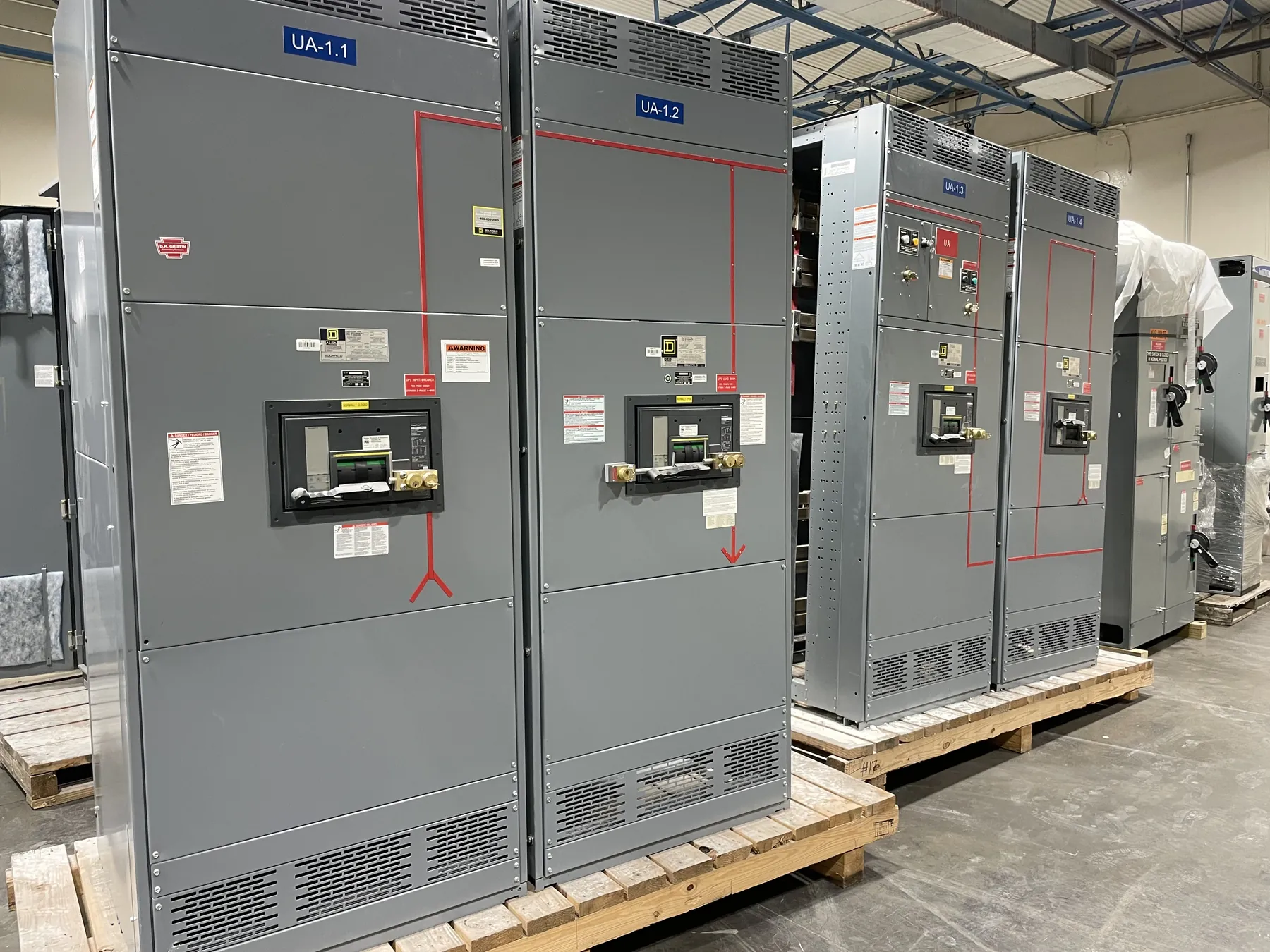
We manufacture new custom switchgear and power-distribution equipment in the United States using all-American components, with short lead times as a manufacturing objective and shipment available nationwide. Equipment can be developed around project requirements, but final selection depends on the engineered drawings, applicable codes, site conditions, and confirmation of ratings and listings. A qualified electrical engineer and the project team must establish the design; a product quotation cannot substitute for that review.
Essential Electrical System Branches and Load Assignment — Hospital Switchgear in Hawthorne, NV
NFPA 99 addresses health care facilities and their electrical systems. The project team should determine the facility classification and applicable requirements rather than assume every hospital has an identical arrangement. Where an essential electrical system is required, its branches and loads must be established in the project design. Life safety, critical, and equipment branch designations are not interchangeable labels: they affect which loads connect where, the required source response, and the separation and coordination of distribution equipment.
For switchgear planning, useful inputs include branch load schedules, one-line diagrams, feeder and breaker information, anticipated load growth, and details about equipment supplied by each branch. The design team must also address physical separation, bypass or maintenance provisions where specified, and interfaces with other systems. The manufacturer can configure equipment to the approved design, but cannot determine clinical priorities or assign loads without direction from the responsible professionals.
Source Transfer, Generator Interface, and System Voltage
Transfer equipment connects loads to designated sources according to the engineered sequence. The project must identify normal and alternate sources, which loads transfer, whether loads transfer together or in groups, and any required transition behavior. Generator controls, transfer switches, switchboards, protective devices, and monitoring systems need compatible interfaces. The sequence should be reviewed by the electrical engineer, generator supplier, controls team, and commissioning authority so that expected operation is clear before equipment is released.
System voltage describes the electrical system; an equipment voltage rating is a separate limit and must be suitable for that system. Likewise, current and short-circuit ratings are not interchangeable with voltage. Fault duty at the equipment location depends on the available sources and the engineered distribution arrangement. Confirming the applicable ratings requires current project data and qualified engineering review, including coordination with upstream and downstream protective devices.
Applying NFPA 99 and NFPA 110 — Hospital Switchgear in Hawthorne, NV
NFPA 110 covers emergency and standby power systems, while NFPA 99 addresses health care facility requirements, including provisions relevant to electrical systems. The adopted editions, local code requirements, facility classification, and project scope determine which provisions apply. Requirements can affect source equipment, transfer functions, installation details, testing, and documentation; they should not be inferred from a general product description.
Specification review should identify the governing editions and any owner or authority requirements. Confirm whether proposed equipment is expected to have a particular listing, and verify that the listing applies to the exact equipment type and configuration. UL 891 applies to certain low-voltage switchboards; it does not establish compliance for every switchgear assembly, transfer device, or system component. Listing status and scope must be confirmed for the specific product and project.
Hawthorne Site Conditions and Project Coordination
Hawthorne project logistics should be checked against the actual facility and delivery route. Confirm equipment-room access, door and corridor clearances, floor and handling constraints, receiving arrangements, staging space, and the sequence for moving assemblies into place. Site access requirements or limited work windows may influence shipping configuration and installation planning, but these conditions should be documented by the project team rather than assumed from the city alone.
Quotation inputs should include the approved one-line diagram, equipment schedules, system voltage, source details, fault-duty information, branch and load requirements, enclosure and room constraints, interface requirements, and requested documentation. Identify project milestones and submittal expectations without treating an estimate as a confirmed delivery date. Changes to source arrangements, loads, or available fault current can affect equipment selection and coordination, so revisions should be reviewed before manufacture.
Commissioning Responsibilities and Equipment Scope
Commissioning is a coordinated project responsibility. The electrical engineer establishes design intent; contractors install and connect equipment; manufacturers provide equipment-specific information and support within the agreed scope; and the commissioning authority coordinates verification against the project requirements. The team should define required inspections, functional checks, records, and acceptance criteria in the project documents. No single factory document establishes that a complete hospital electrical system is ready for service.
For a Hawthorne hospital project, early alignment among the owner, engineer, contractor, equipment suppliers, and commissioning team helps resolve branch assignments, transfer interfaces, fault-duty questions, and access constraints before they become schedule issues. Ratings, listings, code applicability, and final configuration all require confirmation against the actual design and site. Our role is to manufacture new equipment to the approved project specification and ship it to the project location.