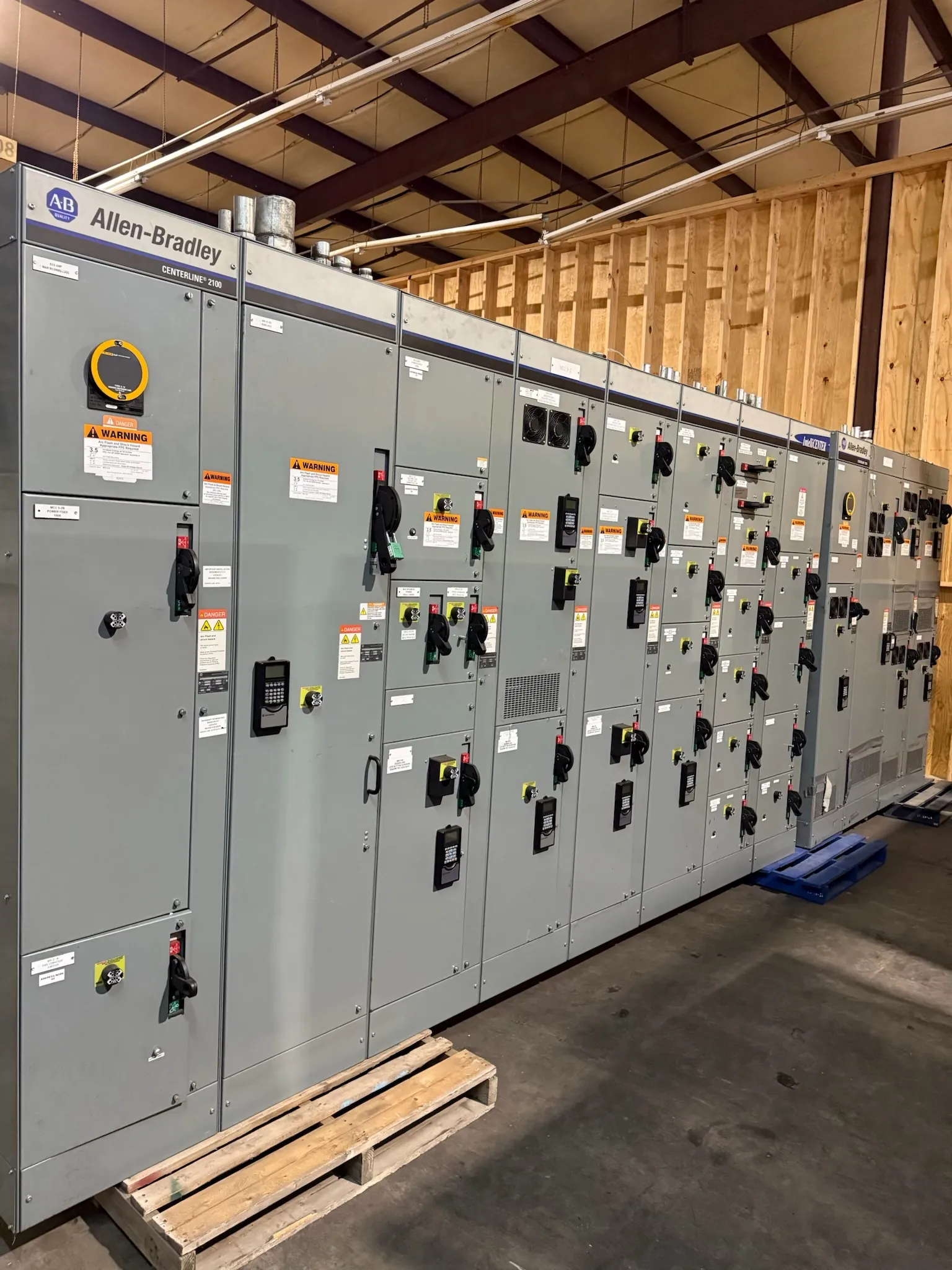
Hospital Switchgear and the Essential Electrical System
Hospital power distribution must support patient care, building operations and a carefully defined response to loss of normal power. The essential electrical system (EES) is not simply a larger switchboard or a single emergency panel. Its sources, transfer equipment, distribution branches and connected loads must follow the facility’s design and applicable code requirements. New switchgear for a hospital project should therefore be developed from the electrical engineer’s one-line diagrams, load schedules and project specifications—not selected from a generic equipment description.
Depending on the facility and the adopted requirements, the EES may include life safety, critical and equipment branches. These branches serve different categories of loads and have distinct distribution and transfer arrangements. The engineer of record determines how the requirements apply to the specific hospital, including any facility-specific conditions. The switchgear manufacturer can build equipment to the approved design, but should not decide which loads belong on which branch.
Branch Separation, Distribution and Load Planning
Branch separation affects more than panel names. It can influence the number and arrangement of distribution sections, feeder routing, space for future circuits and the interfaces between normal and essential power. Project documents should identify the intended branch architecture and show how loads connect through distribution equipment and transfer equipment. Where normal and essential sources share a lineup or room, the design must address their boundaries and maintainability without assuming that physical proximity is acceptable for every installation.
Load schedules are important quotation inputs. They help establish the required circuit and feeder provisions, equipment configuration and electrical ratings. Hospital projects may also need to account for planned expansion, renovation phasing or continuity constraints while areas remain in service. Those conditions belong in the project criteria early; spare space or spare capacity should not be presumed unless the drawings and specifications call for it.
Source Transfer and Generator Interfaces
Transfer equipment moves designated loads between approved sources when normal power is unavailable or unsuitable, as defined by the project design. The choice and arrangement of automatic or other specified transfer equipment must match the system architecture, source characteristics, branch requirements and operating sequence. A switchboard does not, by itself, establish a compliant transfer scheme. The engineer must define how transfer devices, generators, utility sources and downstream distribution interact.
Clear interface information helps prevent gaps between equipment packages. Relevant documents may include one-line diagrams, control schematics, generator and transfer-equipment specifications, available fault-current information, and requirements for alarms or status signals. The project team should identify responsibility for control wiring, communications, interlocks and field connections. Where multiple manufacturers supply related equipment, coordination of boundaries and submittal review is particularly important.
Applying NFPA 99 and NFPA 110 — Hospital Switchgear
NFPA 99 addresses health care facilities and includes provisions relevant to essential electrical systems. NFPA 110 addresses emergency and standby power systems, including requirements that may apply to emergency power supply systems. Which provisions govern a particular project depends on the adopted editions, applicable regulations, facility classification, system design and authority having jurisdiction. Neither standard should be treated as a substitute for project-specific engineering or code review.
Hospital specifications should state the governing editions and identify how the design addresses required sources, transfer functions, distribution and supporting interfaces. The engineering team and authority having jurisdiction determine applicable requirements and interpretations. Equipment documentation can support that review, but a manufacturer should not claim that a switchgear assembly alone makes an entire hospital electrical system compliant or approved.
Ratings, Construction and Quotation Inputs — Hospital Switchgear
Switchgear selection requires confirmed electrical ratings and site conditions. System voltage is distinct from equipment ratings such as voltage, current and short-circuit withstand or interrupting ratings; the appropriate values depend on the design and available system data. The engineer must also coordinate protective-device selection and settings with the broader system. Applicable product standards depend on equipment type: UL 891 applies to relevant low-voltage switchboards, not universally to all switchgear or every assembly.
For a useful quotation, provide the latest one-line diagrams, specifications, equipment schedules, branch designations, required ratings, lineup dimensions or room constraints, connection details and requested options. Identify the project location, delivery constraints, submittal schedule and any phased installation needs. Each listing, rating and configuration requires confirmation against the final design and product scope. The manufacturer can review the requested build and clarify equipment interfaces; qualified project engineers remain responsible for system design and coordination.
Commissioning Responsibilities and Hospital Readiness
Commissioning is a coordinated project activity, not a factory label or a single equipment shipment. The owner, design professionals, installing contractor and commissioning team establish the scope, documentation, acceptance criteria and sequence of checks. Work may involve confirming installed connections and control interfaces, reviewing equipment submittals and verifying that system functions align with approved documents. Testing boundaries and responsibilities should be settled before installation so that equipment suppliers, generator providers and transfer-equipment vendors understand their respective roles.
For a new hospital installation, commissioning plans must reflect the facility’s operational constraints and the approved project procedures. Any work involving electrical equipment requires qualified personnel and site-specific planning; system operation and testing decisions belong to the responsible professionals. A U.S. manufacturer can build new custom power-distribution equipment to confirmed project requirements and ship nationwide, including to Nevada. Schedule expectations depend on the finalized scope, engineering documents and production requirements, so they should be confirmed during project review.