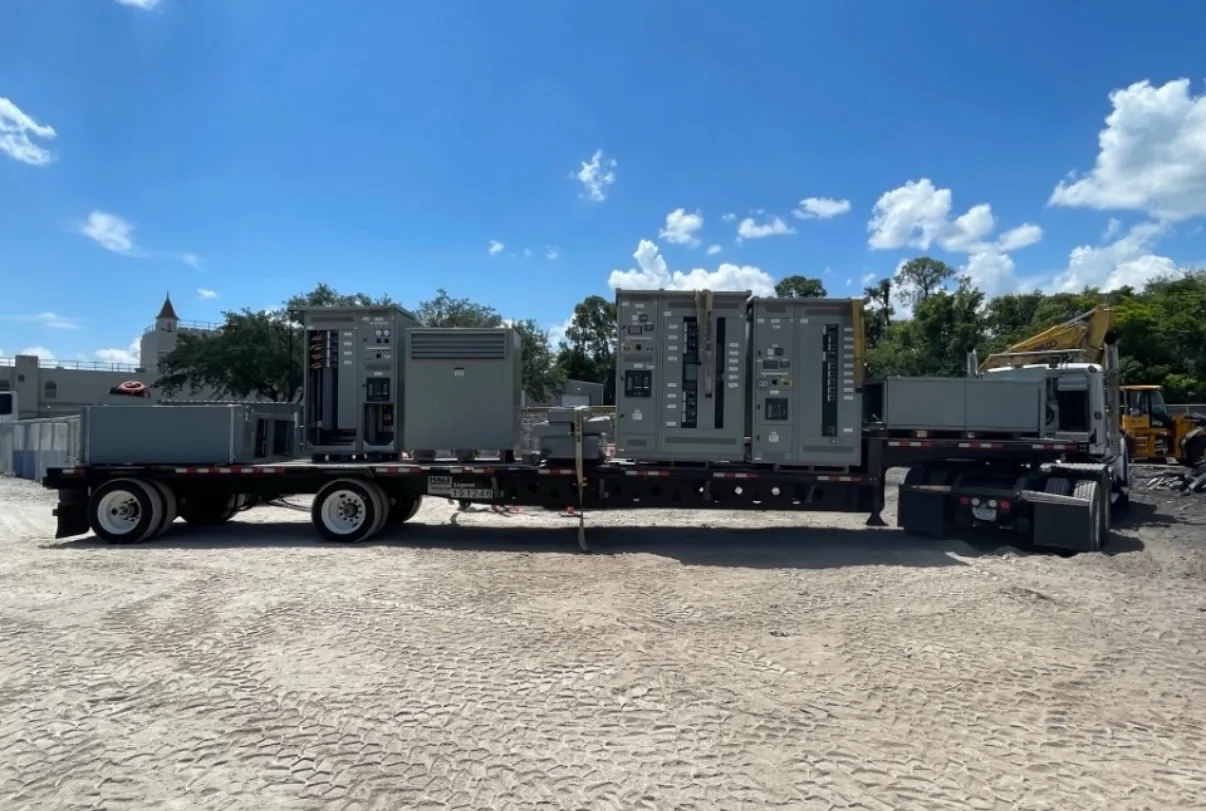
Utility Distribution Equipment for Gardnerville Projects
Utility distribution work in Gardnerville depends on the requirements of the specific service and the facility it will supply. A switchboard or other distribution assembly must fit the utility’s interconnection conditions, the project’s electrical design, and the intended operating environment. Requirements can differ between a utility-owned installation, customer-side service equipment, and a facility distribution system downstream of the service entrance. Establishing those boundaries early helps prevent mismatched interfaces and incomplete equipment specifications.
We manufacture new custom switchgear and power-distribution equipment for project-specific applications. Assemblies use all-American components and are built in the USA; equipment can ship nationwide, including to Nevada. A quotation should begin with the one-line diagram and service information rather than an assumed standard configuration. The final design, ratings, listing applicability, and acceptance requirements need confirmation by the project’s qualified electrical engineers and the relevant utility.
Confirm Interconnection, Metering, and Protection Boundaries
Before selecting an assembly, clarify which party is responsible for each interface: the utility, the customer, or the equipment manufacturer. Request the utility’s current service requirements for the particular location, including connection arrangement, metering provisions, protective-device coordination expectations, and any required review or acceptance steps. Do not infer these details from another project or from a general description of utility service.
Metering can affect compartment layout, access, instrument-transformer provisions, and the physical relationship between service conductors and protective equipment. Protection choices likewise depend on the system design and coordination study, not simply on a device’s nominal rating. Provide the engineer’s specified protection approach and identify any utility-furnished components or constraints. This lets the equipment scope address the actual division of responsibility without representing that utility approval is automatic.
Choose Ratings for the System, Not by Voltage Alone
Equipment ratings describe particular limits and characteristics; they are not interchangeable with the nominal voltage of the overall system. The design team should identify the applicable system voltage, available fault-current information, continuous-load requirements, and the ratings required for each assembly and device. Those inputs must be evaluated together for the proposed configuration and intended use.
Low-voltage switchboards may be designed to applicable UL 891 requirements when the product and project scope call for it. UL 891 does not apply to every kind of switchgear or establish that all equipment is listed. Confirm whether a listing is required, which specific assembly is within its scope, and what documentation the project requires. Medium-voltage equipment and other distribution products need their own applicable specifications and review; they should not be described as covered by UL 891.
Coordinate Grounding and Site Installation Conditions
Grounding and bonding provisions must match the engineered system and the utility’s service rules. Relevant details can include the service grounding arrangement, equipment grounding connections, neutral treatment, and the locations where bonding is required. The equipment drawing should be coordinated with the project’s grounding design; an enclosure or bus arrangement alone does not resolve site grounding requirements.
Gardnerville site conditions also deserve attention before enclosure and layout choices are finalized. Confirm installation elevation, indoor or outdoor placement, ambient and environmental specifications, exposure to weather or dust, and available installation space. Elevation and environmental conditions can affect equipment selection or performance considerations, but their significance must be assessed against the actual equipment documentation and project requirements. Avoid assuming a generic enclosure or rating will suit every site.
Prepare Useful Information for a Custom Quotation
A complete inquiry helps identify the required scope and the decisions still needing engineering review. Useful materials include a current one-line diagram, service and utility requirements, load and device schedules, specified system and equipment ratings, metering and protection criteria, grounding details, and installation drawings. Include enclosure location, dimensions or access constraints, environmental conditions, required listing or documentation, and the project’s requested delivery window.
Also identify who will furnish incoming components, what interfaces must be provided, and whether the project expects factory drawings for review before manufacture. These details shape bus and compartment arrangements, connection points, enclosure construction, and documentation. Short lead times are supported, but the schedule for a specific order depends on the confirmed design, scope, and project coordination; no delivery date should be assumed before review.
Coordinate Drawings, Acceptance, and Delivery
For utility-related equipment, drawing review should include the utility where its requirements affect the service interface, metering, protection, or acceptance. The electrical engineer should reconcile comments with the project design, and the owner or contractor should confirm site access, installation sequencing, and responsibility for field connections. Requested tests, records, and acceptance documents should be identified in the specification and confirmed for the selected product rather than presumed.
Nationwide shipping can support Gardnerville projects without implying a local factory or office. Delivery planning should account for the site’s receiving arrangements, unloading capability, route and access constraints, and protection of equipment during handling. Clear coordination among the utility, engineer, contractor, and manufacturer keeps the supplied assembly aligned with the approved project documents and the conditions at its intended installation site.