Mining Power Distribution for Gardnerville Operations
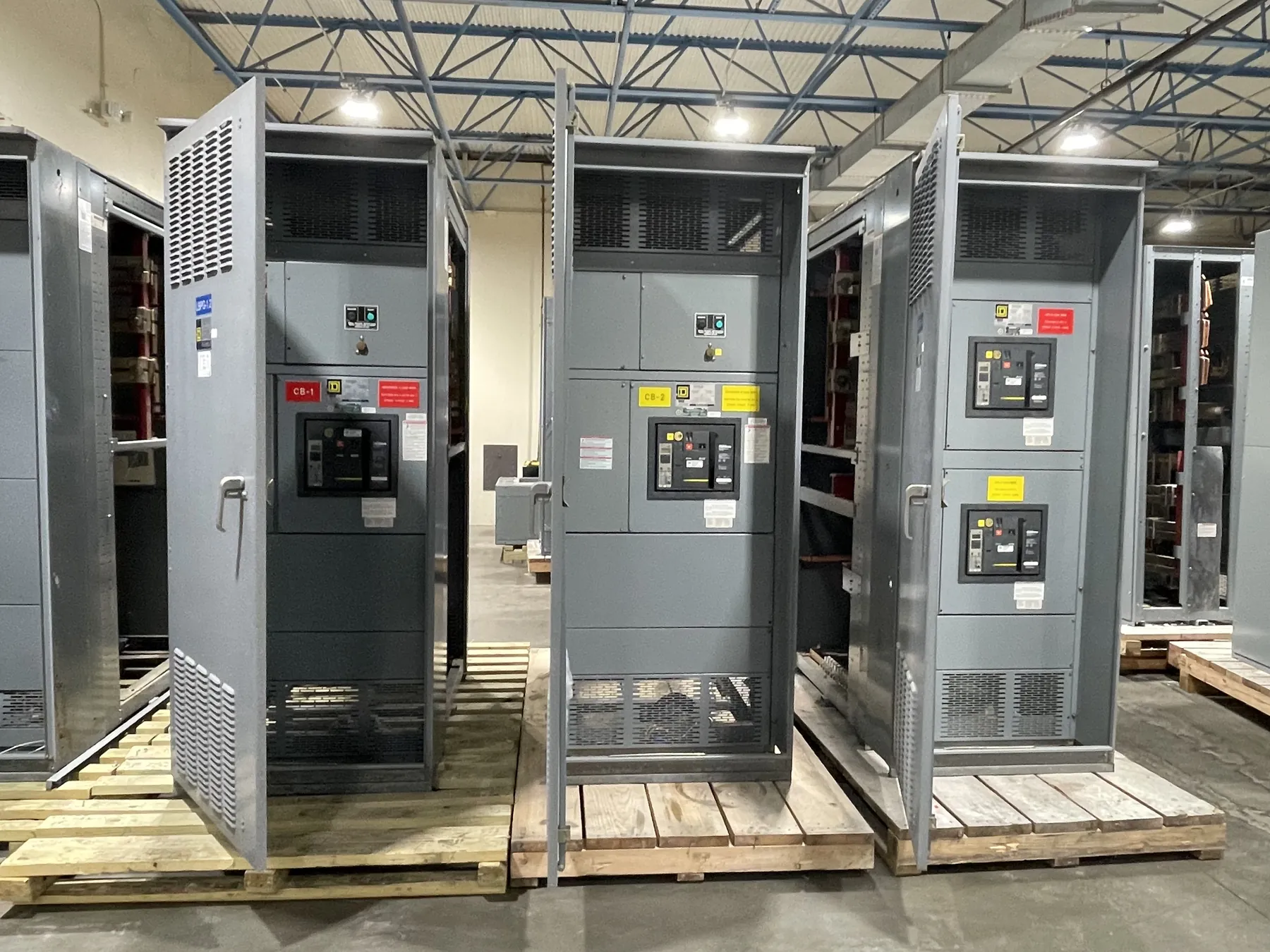
Mining facilities depend on coordinated power distribution for process equipment, ventilation, material handling, pumping and site services. For a Gardnerville project, switchgear selection should start with the loads and operating conditions it will serve—not a generic assumption about what a mine requires. We manufacture new custom switchgear and power-distribution equipment for projects in Nevada and ship nationwide. Our assemblies use all-American components and are built in the USA.
The right configuration depends on the electrical system, available fault current, load behavior and installation environment. A distribution lineup may serve motor feeders, other branch circuits, or both, but the arrangement and protective devices must be developed for the project. Ratings, applicable listings and construction details need confirmation against the one-line diagram, site information and the intended use of each assembly.
Define Motor and Feeder Duties Before Choosing a Lineup
Mining loads can differ substantially in how they start, run and interact with the rest of the system. Pumps, fans, conveyors, crushers and auxiliary equipment may have different motor sizes, starting methods, duty cycles and control interfaces. A useful equipment schedule identifies each load, its electrical characteristics, how it is started or controlled, and whether it is essential, intermittent or subject to frequent changes.
These details help engineers determine feeder arrangement, protective-device requirements, space for controls and the relationship between the switchgear and downstream motor-control equipment. A switchboard feeder is not automatically a motor starter, and the required control or starting equipment may be separate or integrated depending on the design. Confirming that boundary early helps avoid mismatched interfaces and unclear scope.
Coordinate Fault Protection Across the Distribution System
Protection must be considered as part of the complete electrical system. Available fault current, upstream devices, downstream equipment and the selected protective-device characteristics influence equipment ratings and coordination. A rating is not the same thing as system voltage: voltage, current, short-circuit withstand or interrupting requirements, and other applicable ratings each need to be established for the project. No rating should be inferred from a product description alone.
Provide current one-line diagrams and available fault-current information for engineering review. Identify existing transformers, utility or generator sources, and downstream loads where they affect the design. Qualified project engineers must evaluate the system and determine protection settings and coordination. Those decisions cannot be made from a location name or a general description of mining service.
Account for Dust, Ventilation and Site Exposure
Dust conditions vary with the process, enclosure location and facility controls. Describe the type of exposure, the space available around the equipment, cleaning practices, ventilation and any environmental specifications established for the site. These inputs help determine enclosure construction and equipment placement. They also prompt practical questions about access, heat dissipation, cable entry and how the lineup interfaces with the building or outdoor installation.
For a Gardnerville installation, confirm the actual site elevation and the environmental requirements that apply there. Do not assume that every facility has the same elevation, temperature conditions or exposure. Indoor and outdoor locations can require different enclosure and installation details; the project documents should identify the intended placement and any relevant environmental limits. Engineering review should verify whether the proposed equipment is suitable for those conditions.
Resolve Interfaces, Layout and Future Changes
Switchgear must fit the electrical and physical plan. Confirm incoming and outgoing cable or bus connections, feeder count, conductor-entry direction, available working space, access routes and the relationship to adjacent equipment. For a remote mine site, transportation access and the route from unloading point to electrical room may also affect lineup dimensions, shipping configuration and installation sequencing. These are logistics questions to resolve with the project team, not assumptions about local site conditions.
Consider how the distribution system may change as loads or process arrangements evolve. Spare provisions, additional feeder spaces and control interfaces can be evaluated when the expected scope is known. Adding capacity is not simply a matter of leaving empty space; bus ratings, protection, fault duty and the overall system design must support the intended future use.
Prepare a Clear Specification for a Gardnerville Project
A quotation can be developed more effectively when the project package includes the one-line diagram, equipment schedule, system voltage, required ratings, fault-current data, feeder and motor duties, control requirements, indoor or outdoor placement, site elevation and environmental specifications. Include cable-entry preferences, physical constraints, applicable project standards and any required interface details. Missing information can affect the proposed configuration and should be identified for resolution rather than guessed.
Our team manufactures new custom equipment, with short lead times as a stated capability and nationwide shipping. Actual scope, schedule and shipment arrangements depend on the final design and project requirements. For mining power distribution in Gardnerville, a detailed engineering review is the practical starting point for matching switchgear to the facility, its loads and its site conditions.